
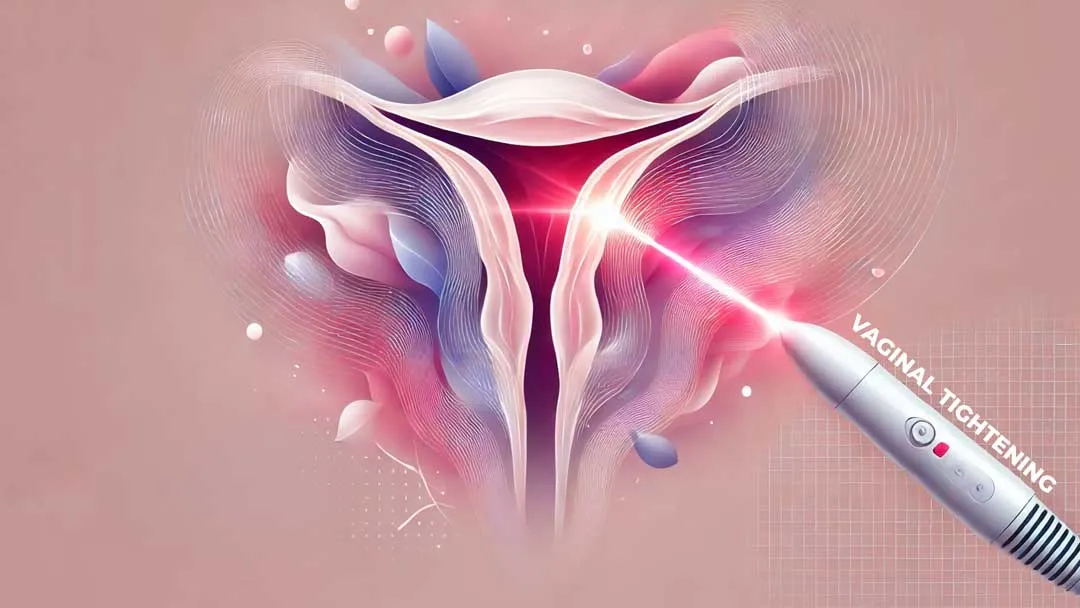
Nu-V CO₂ intimate treatment
Laser vaginal tightening assessment
Private, assessment-led care for women researching non-surgical laser vaginal tightening after childbirth, ageing or hormonal change. Suitability, evidence limits, alternatives, risks, fees and realistic outcomes are discussed before treatment.
- CQC registered Regulated and inspected
- 4.8 / 5 From 3,500+ reviews
- Assessment-led Suitability before treatment
What is Nu-V CO₂ laser vaginal tightening?
Nu-V is WHC’s non-surgical CO₂ laser pathway. It may be considered for selected women concerned about vaginal laxity or changes in vaginal tissue after childbirth, ageing or hormonal change, but only after an individual clinical assessment.
Controlled laser energy is applied to selected vaginal tissue with the intended response of tissue remodelling and new collagen formation over time. The procedure does not directly tighten pelvic-floor muscles, and it is not a substitute for diagnosis, pelvic-floor rehabilitation or surgery where those routes are more appropriate.
A non-surgical laser procedure
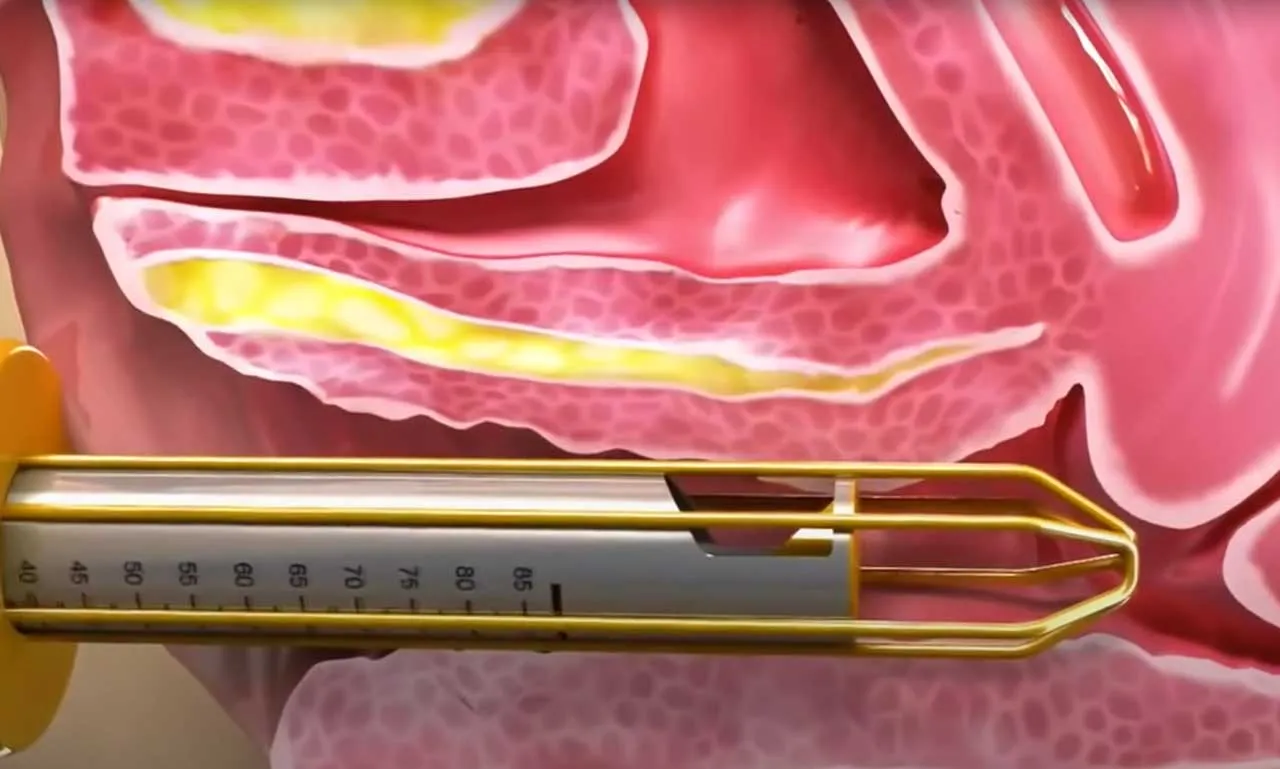
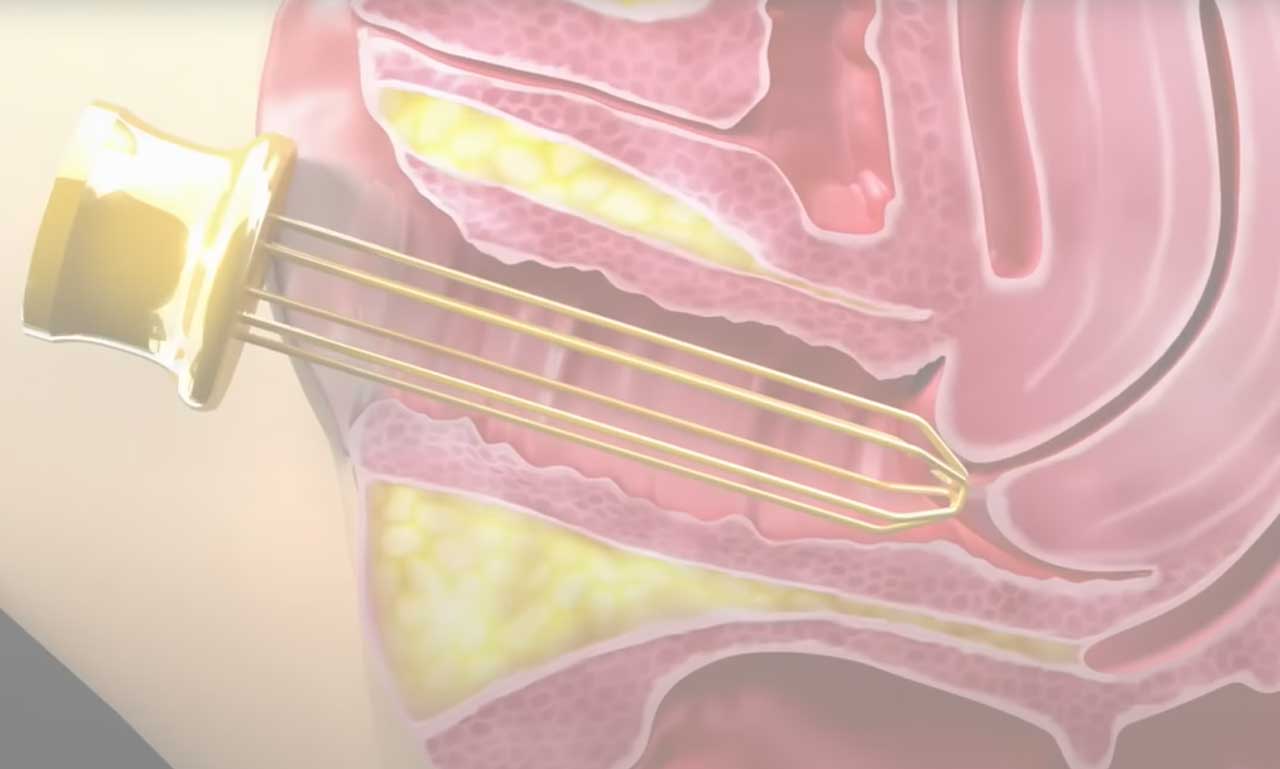
Treatment is delivered in a clinical setting using a vaginal applicator. It does not involve surgical cutting, stitching or removal of vaginal tissue, although non-surgical does not mean risk-free or suitable for everyone.
This page owns the laser vaginal tightening topic. It explains the Nu-V option, its limitations, the assessment pathway, alternatives, treatment course, aftercare and verified fees.
Tissue response, not muscle repair
The intended laser response is remodelling within treated tissue. Vaginal looseness can also relate to pelvic-floor function, prolapse, childbirth injury, scarring or other structural change that laser treatment may not correct.
Assessment helps distinguish a tissue-quality concern from a muscular, structural, hormonal, pain-related or wider sexual-health concern.
What this page does—and does not—own
This is the dedicated laser vaginal tightening assessment page. The broader vaginal rejuvenation page compares wider options, while CO₂ intimate rejuvenation explains the broader CO₂ method pathway.
The dedicated vaginal laxity assessment page remains the condition owner. Dryness, painful intercourse, urinary leakage and menopause-related change also require their own cause-led assessment.
What laser vaginal tightening should—and should not—be expected to do
Nu-V may be considered when the main concern involves vaginal laxity or tissue quality and the clinician believes a non-surgical CO₂ laser procedure is a reasonable option. It cannot promise a particular degree of tightening, improved orgasm, restored sexual function, relief of urinary symptoms or the same result as vaginoplasty.
Something may feel different. The cause still matters.
Vaginal laxity is commonly used to describe a personal feeling of looseness, reduced resistance or reduced support within the vagina. It may be noticed after vaginal childbirth, with ageing or alongside changes in pelvic-floor function.
Similar descriptions can relate to pelvic-floor dysfunction, prolapse, tissue dryness, hormonal change, scarring, pain or sexual concerns. You do not need to diagnose the cause before asking for help.
No obligation. No pressure. Just a confidential first step.

What women may describe
Your own description helps the clinician understand what has changed.
“I have felt looser since giving birth.”
“The sensation or resistance during intercourse has changed.”
“I feel less supported or different internally.”
“I am unsure whether I need laser treatment, pelvic-floor care or another option.”
Concerns worth discussing before choosing laser treatment
A consultation does not commit you to laser treatment. New, severe, persistent or unexplained symptoms should be assessed before a procedure is considered.
What happens after you enquire?
The first conversation helps you understand the service and decide whether to arrange the required clinical consultation. It is not a promise that Nu-V will be suitable.
1. We contact you discreetly
We use the details you provide and keep your enquiry confidential. You can ask practical questions about treatment, clinics and the consultation route before deciding whether to continue.
2. You describe what has changed
You can explain the concern in your own words. Relevant information may include childbirth, menopause, previous pelvic treatment, current symptoms, medicines and what you hope to improve.
3. We guide the next step
You may be offered an optional free nurse or patient-adviser discussion before the required doctor consultation. Treatment is arranged only if the clinical assessment supports it and you choose to proceed.
Examination reassurance
Will I need an examination?
A face-to-face clinical assessment may include an examination where this is clinically appropriate and you consent. This can help distinguish vaginal tissue change from prolapse, pelvic-floor dysfunction, infection, lesions, scarring or another condition.
Your clinician should explain why an examination is recommended, what it involves and whether any further investigation or referral is needed before laser treatment is considered.

Your consultation options
Assessment before any laser recommendation
An optional free nurse or patient-adviser telephone discussion is available for general information. A consultation with Dr Farzana Khan is required before treatment, using either the telephone or face-to-face route shown in the pricing section.
Assessment covers your symptoms, priorities, medical and gynaecological history, medicines, allergies, previous pelvic treatment and suitability for Nu-V. A face-to-face examination or further investigation may be required before treatment is confirmed.
Initial enquiry
Free
A confidential enquiry before choosing the clinical route.
Nurse telephone consultation
Free
Optional general information before the doctor consultation.
Doctor telephone consultation
Required
Required clinical review with Dr Farzana Khan.
Treatment costs
Explained first
Fees, limitations, alternatives and consent are explained first.
Nu-V patient stories, case studies and media coverage
The original Nu-V videos are retained here so you can hear patient experiences and view selected media coverage. These accounts describe individual experiences and do not predict your result.
Who may consider laser vaginal tightening?
Nu-V may be considered by selected adult women whose main concern involves vaginal laxity or tissue quality. Suitability depends on the likely cause, anatomy, medical history, examination findings, expectations and available alternatives.
After pregnancy and childbirth
Women may notice looseness, reduced resistance or a change in tissue after vaginal birth, tearing, episiotomy, prolonged labour or more than one delivery. Treatment should not be considered until postpartum recovery is complete and a clinician has assessed the concern.
With ageing or hormonal change
Hormonal change can affect the vulva, vagina, bladder and urethra. Where dryness, burning, irritation, painful sex or urinary symptoms sit within GSM, established medical or conservative care may be more appropriate than laser treatment.
Vaginal laxity or reduced resistance
Some women seek assessment because the vagina feels looser, resistance during intercourse has changed or internal support feels different. These descriptions do not identify the cause by themselves.
Women comparing non-surgical and surgical options
Nu-V is not equivalent to vaginoplasty, perineoplasty, prolapse surgery or pelvic-floor rehabilitation. Women comparing these routes need a clear explanation of what each option is designed to address.
What laser vaginal tightening may—and may not—address
Laser vaginal tightening is not a diagnosis and should not be used as a catch-all response to intimate symptoms. Assessment is used to decide whether the concern relates to tissue quality, pelvic-floor function, prolapse, hormonal change, pain, infection, scarring or another condition.
Concerns discussed during assessment
The concerns below were all covered on the original page. They are retained as assessment topics, not as a promise that Nu-V treats each one.
The clinician may recommend conservative care, pelvic-floor support, menopause treatment, further investigation or an independent surgical opinion instead of laser treatment.
Laser treatment may be unsuitable, postponed or require further review where there is:
This list is not exhaustive. Tell the clinician about any new, severe, persistent or unexplained symptom before considering treatment.
Vaginal laxity
A feeling of looseness may involve tissue change, pelvic-floor function, childbirth injury or structural factors. Nu-V may be one option only where assessment supports it.
Mild to moderate pelvic organ prolapse
Prolapse symptoms require appropriate assessment. Laser treatment is not a substitute for pelvic-floor management or prolapse surgery and should not be presented as strengthening pelvic-floor muscles.
Reduced vaginal elasticity
Ageing and hormonal change can affect tissue elasticity, but the cause and appropriate options should be assessed before recommending a laser procedure.
Postpartum vaginal laxity
After childbirth, women may report looseness or reduced resistance. Recent childbirth, incomplete healing, pain or significant structural change can make laser inappropriate or premature.
Loss of tone or firmness
A subjective loss of tone may involve tissue, pelvic-floor or structural factors. Nu-V does not directly tighten muscles.
Dryness, discomfort or GSM
These symptoms can have hormonal, inflammatory, infectious, dermatological or pain-related causes. Laser should not displace established cause-led care.
Urinary symptoms
Stress, urgency and mixed urinary symptoms need different assessment pathways. NICE states that transvaginal laser for stress urinary incontinence should only be used in the context of research.
Contraindications and red flags
Pregnancy, recent childbirth, active infection, unexplained bleeding, undiagnosed vaginal or cervical lesions, severe prolapse, healing concerns and some previous pelvic treatments require clinical review before any procedure.
Why women consider laser vaginal tightening
Women commonly research Nu-V because vaginal tissue or resistance feels different after childbirth, ageing or hormonal change. The consultation should turn a broad hope such as “tightening” into a realistic, clinically appropriate objective.
Intended tissue response
Controlled thermal effects are intended to stimulate tissue remodelling and new collagen formation. The extent and clinical importance of any change varies and cannot be predicted precisely.
Non-surgical delivery
There are no surgical incisions or stitches. Treatment is performed in clinic using a vaginal applicator, with preparation, consent and aftercare included in the appointment.
Comfort, intimacy and confidence
Some women hope that addressing a tissue-related concern will improve comfort or confidence. Improved orgasm, sexual function, lubrication or urinary symptoms must not be guaranteed.
Realistic treatment objectives
Possible objectives include a subjective improvement in laxity or tissue quality. Nu-V cannot promise a specific degree of tightening, replace pelvic-floor rehabilitation, correct significant prolapse or reproduce the result of vaginoplasty.
How to compare laser vaginal tightening with alternatives
Nu-V, conservative care, pelvic-floor rehabilitation and surgery are not equivalent. A useful comparison starts with the likely cause and intended objective, then considers evidence, limitations, invasiveness, recovery and follow-up.
Concern and likely cause
A feeling of looseness may reflect tissue change, pelvic-floor dysfunction, prolapse, childbirth injury, pain or hormonal change. The treatment name should not come before understanding the problem.
Objective and evidence
Ask what Nu-V is intended to change and what evidence relates to that exact objective. Evidence for one laser, indication or population should not be applied automatically to another.
Invasiveness and recovery
Pelvic-floor care, laser and surgery have different objectives and recovery profiles. Consider discomfort, restrictions, possible complications and whether structural repair is needed.
Follow-up and maintenance
A course of three laser sessions may be discussed, commonly spaced four to six weeks apart, but the clinician should confirm the plan. Maintenance is not automatically required and should depend on response and reassessment.
Questions worth asking
Before choosing Nu-V, ask what it is intended to achieve
What diagnosis or likely cause is being treated?
What evidence relates to this exact method and goal?
What are the realistic benefits and limitations?
What are the risks, recovery and alternatives?
Is the effect expected to be temporary or long-term?
Who provides treatment and who manages follow-up?
Nu-V laser vaginal tightening treatment steps
The original page’s detailed pathway is retained below. Exact timing, device settings, course, restrictions and follow-up are confirmed for the individual patient by the treating clinician.
Step 1
Optional free nurse or patient-adviser discussion
A free 20-minute discussion is available for general information about the service. It is optional and does not assess or confirm treatment suitability.
Step 2
Required doctor consultation
Before treatment, choose either a 10-minute telephone consultation or a 20-minute face-to-face consultation with Dr Farzana Khan. The clinician reviews symptoms, history, alternatives, risks and whether further face-to-face assessment is needed.
Step 3
Forms, questionnaires and records
You may be asked to complete medical, gynaecological and sexual-health questionnaires before the appointment. Provide current medicines, allergies, relevant screening history, previous pelvic procedures and any new symptoms.
Step 4
Face-to-face assessment and consent
Where clinically appropriate and with consent, an examination helps assess tissue, pelvic support, infection, lesions, scarring and structural change. Treatment proceeds only after the procedure, alternatives, risks, aftercare, fees and limitations have been explained.
Related owner pages
Laser treatment is the focus here; related pages retain their own roles
This page remains the primary owner for laser vaginal tightening. It does not replace the broader vaginal rejuvenation comparison page, the CO₂ method owner or the vaginal laxity condition owner.
Vaginal rejuvenation options
The broad comparison of non-surgical, medical, regenerative and surgical pathways.
CO₂ intimate rejuvenation
The broader CO₂ method pathway, evidence, suitability and aftercare.
Vaginal laxity assessment
The condition-led page for looseness, postpartum change and possible pelvic support factors.
Detailed treatment pathway
What happens before, during and after Nu-V
These steps preserve the practical information from the original page while removing unsafe absolutes and medicine-stopping instructions.
1. Optional free telephone discussion
Ask general questions about the service before choosing the required doctor consultation. This discussion is not a clinical assessment and does not guarantee treatment.
2. Required doctor consultation
Choose the current telephone or face-to-face route with Dr Farzana Khan. A further face-to-face assessment may still be required before treatment.
3. Preparation and medical review
Complete the requested forms and disclose medicines, allergies, pregnancy or recent childbirth, infections, bleeding, lesions, prolapse, healing concerns, pelvic surgery and radiotherapy history.
4. Medication safety
Tell the clinician about anticoagulants, antiplatelet medicines—including aspirin—and all prescribed or non-prescribed medicines. Do not stop prescribed medication unless specifically instructed by the appropriate prescriber or treating clinician.
5. Face-to-face consultation
Where appropriate and with consent, the clinician examines the area, discusses findings, explains alternatives and confirms whether laser treatment is suitable. You may take time before deciding.
6. During the session
You are positioned similarly to a cervical-screening examination. A vaginal applicator delivers controlled CO₂ laser energy to the agreed tissue. The treatment component is typically short, while the full appointment includes preparation and aftercare.
7. Aftercare
Temporary soreness, warmth, spotting, discharge or irritation may occur. Follow the written guidance on hygiene, exercise, swimming, intercourse and when to contact the clinic; the exact restrictions are confirmed by your clinician.
8. Results, review and maintenance
Any change may develop gradually over the following weeks. A course of three sessions may be considered, usually four to six weeks apart, but outcomes vary and maintenance is based on reassessment rather than a guarantee.
Alternatives remain available
Pelvic-floor rehabilitation, menopause or GSM care, treatment of infection or skin disease, symptom management, further investigation or independent surgical assessment may be more appropriate.
Nu-V procedure snapshot
What the procedure involves
Nu-V is WHC’s non-surgical CO₂ laser pathway. The laser treatment itself is typically around 15 to 20 minutes within a longer appointment. The exact area, settings and treatment plan depend on assessment and the treating clinician’s protocol.
There are no surgical incisions or stitches, but temporary effects and aftercare restrictions can still occur. Non-surgical does not mean risk-free.
Aftercare
Restrictions are explained before treatment
The original page advised a short break from intercourse, strenuous exercise, gym use and swimming. Follow the current written instructions given for your treatment rather than relying on a fixed website interval.
Contact the clinic promptly about severe or worsening pain, heavy bleeding, fever, foul-smelling discharge, urinary difficulty or any symptom that concerns you.
Read full CO₂ procedure detailsRisks, recovery and realistic outcomes
Laser vaginal tightening can cause temporary effects and, less commonly, more serious complications. Benefits, limitations, recovery, duration and alternatives must be discussed for the exact device, settings and treatment plan.
Common temporary effects
Temporary warmth, tingling, irritation, soreness, swelling, spotting or discharge may occur. The original page described experiences ranging from vibration during treatment to a mild sunburn-like or itching sensation afterwards.
Important laser risks
Important risks include infection, burns, ulceration, scarring, persistent pain, altered sensation, urinary symptoms, incomplete improvement or dissatisfaction. Urgent or unexpected symptoms should be reported to the clinic and assessed appropriately.
Recovery and restrictions
Many women return to ordinary daily activities quickly, but exercise, swimming, intercourse and local products may be restricted for a short period. Follow the current written plan supplied by the clinician.
Alternatives and escalation
Pelvic-floor care, medical treatment, watchful review or an independent surgical opinion may be more appropriate. Significant prolapse, childbirth injury or structural change should not be managed as a simple laser-tightening concern.
When might results be noticed?
Any tissue response is expected to develop progressively over the weeks after treatment. The timing and degree of subjective improvement vary.
How long might results last?
The original page referred to results lasting up to two years, but duration is uncertain and varies with tissue quality, hormones, ageing, future childbirth, the treatment course and individual response.
Is maintenance always needed?
No. A repeat or top-up treatment should be discussed only after reviewing response, ongoing symptoms, risks and alternatives.
Results vary. Nu-V cannot guarantee a particular degree of tightening or any functional, sexual, urinary, aesthetic or quality-of-life outcome.
Nu-V laser vaginal tightening before and after
Clinical images can show an individual tissue response, but they cannot demonstrate muscle tightening, sexual function or the result another woman will experience. Outcomes depend on the concern, tissue quality, hormones, childbirth history, treatment plan, healing and follow-up.
Request a consultationBefore & after
Images are shown for illustration and educational purposes only. Individual results vary, and no treatment outcome can be guaranteed. Suitability and expected results are discussed during consultation.
Alternatives to laser treatment
When an independent surgical opinion may be more appropriate
Nu-V is not a replacement for pelvic-floor rehabilitation or surgery. Where muscular or structural change is the main concern, conservative care or an independent specialist surgical assessment may be more appropriate.
Vaginoplasty
May be considered where there is more significant vaginal laxity or structural change, particularly after childbirth or over time.
Labiaplasty
May be relevant where labial size, asymmetry, irritation, clothing discomfort or external appearance has a functional or confidence impact.
Perineoplasty
May be appropriate where childbirth, tearing, episiotomy or perineal change has affected support, comfort or the vaginal opening.
Also discussed in selected cases
The appropriate procedure, or combination of procedures, depends on anatomy, symptoms, goals and the independent surgeon’s assessment.
How the referral works
We can discuss whether the concern appears more suitable for a non-surgical WHC pathway or an independent surgical opinion.
Independent practitioners undertake their own consultation, consent, clinical decisions, procedure and aftercare. WHC does not push surgery where a non-surgical or conservative route is more appropriate.
What does the evidence say about vaginal laser treatment?
Published studies have examined vaginal laser treatment for laxity, urogenital atrophy and stress urinary incontinence, but evidence quality, patient selection, devices, protocols and outcome measures vary.
The historical review figures retained below describe published reports, not proof that every patient or indication benefits. They must be read alongside current NICE restrictions and individual clinical assessment.
77 studies in the historical review
The original page cited a literature review covering 77 studies. Study number alone does not establish evidence quality or long-term effectiveness.
More than 5,000 participants reported
The review summary covered more than 5,000 participants across different populations, devices and study designs.
93.5% positive outcomes reported
This was a reported aggregate figure in the cited review summary; it is not a guaranteed response rate and should not be used without explaining study limitations.
What this means in practice
NICE states that transvaginal laser therapy for stress urinary incontinence and urogenital atrophy should only be used in the context of research because long-term safety and efficacy evidence is inadequate in quality and quantity. Those restrictions must not be diluted by promotional claims.
Read the full CO₂ treatment pageFor vaginal laxity, evidence and expected benefit should be discussed separately from urinary or GSM indications. The clinician should explain why the proposed use is appropriate, what remains uncertain and which established alternatives are available.
About The Women’s Health Clinic
The Women’s Health Clinic was built around the idea that women should be able to talk openly about intimate health without shame, embarrassment, or dismissal. Our role on this page is to help women understand laser vaginal tightening, decide whether assessment is appropriate and compare Nu-V with conservative and surgical alternatives.
Women-friendly, respectful care
We understand that many women arrive feeling uncertain, nervous, or even guilty for raising these concerns at all.
A clear and compassionate approach
Our role is to listen carefully, assess properly, and explain options clearly. That includes discussing what may help, what may not help, and when another pathway may be more appropriate.
Why women choose TWHC
Experience with the Nu-V pathway
Nu-V was developed as a non-surgical option for selected intimate changes linked to childbirth, ageing and hormonal change. It now sits within an assessment-led pathway that also considers pelvic-floor support, medical care, further investigation and independent surgical options where appropriate.
Laser vaginal tightening prices and consultation route
Verified Nu-V pricing
These are the Nu-V prices retained from the original page and reviewed in July 2026. Confirm the current fee, practitioner route, clinic availability and what is included before booking.
Nu-V
Nurse-led £599 or doctor-led £799 for one treatment, subject to assessment.
Single Nu-V treatment
Nu-V
Nurse-led £400 × 3 (£1,200) or doctor-led £600 × 3 (£1,800), where a course is recommended.
Triple Nu-V package
Annual top-up
Nurse-led £400 or doctor-led £600, only after reassessment confirms that a top-up is appropriate.
Annual top-up
Consultation route
Optional: free 20-minute nurse or patient-adviser discussion. Required: consultation with Dr Farzana Khan—either a 10-minute telephone consultation for £45 followed by a £50 booking fee if treatment is booked, or a 20-minute face-to-face doctor consultation for £95.
The total non-refundable deposit is £95 and is deducted from the final treatment fee. Confirm the current terms before booking.
Why some women choose a package
A single session may suit women who want to begin with one treatment and review progress. Nurse-led £400 × 3 (£1,200) or doctor-led £600 × 3 (£1,800), where a course is recommended.
Other methods, finance and planning
Treatment planning should be individual rather than price-led. Consultation, deposit, practitioner route, package terms, cancellations and any follow-up included should be confirmed before payment. Nu-V prices shown on this page were reviewed in July 2026.
Reviews
How women describe the Nu-V experience
Women researching laser vaginal tightening often want to hear how other patients experienced the consultation, treatment and aftercare.
The original patient stories and reviews are retained because they are valuable first-hand accounts. They remain individual experiences and should not be presented as evidence that a particular clinical result is typical.
A good treatment journey is not only about the procedure. It is also about being treated with sensitivity, honesty, and respect from the first conversation onwards.
Women often value clarity rather than pressure. Understanding what may help, what may not help, and what is realistic makes the whole process feel calmer and more informed.
Common themes include improved confidence, feeling more comfortable discussing intimate symptoms, and feeling supported throughout the process.
Patient stories
Patient experience without outcome promises
Women may enquire after childbirth, with ageing or hormonal change, or because vaginal resistance feels different. Their next step is not automatically a procedure: it is a private conversation, appropriate assessment and a clear explanation of suitable options.
Hear women describe their concerns
The video gallery retains the original Nu-V patient case studies and media coverage, including Lindsey, Antonella, Chiedza Mutanda, Kimberley Hanson and Sara Carson.
Read independent patient feedback
Reviews commonly describe feeling listened to, receiving clear explanations and finding the conversation less embarrassing than expected. Individual treatment outcomes vary.
Choose only after assessment
A tailored plan may include pelvic-floor support, menopause or GSM care, Nu-V, further investigation or referral for an independent surgical opinion. Individual results vary.
Laser vaginal tightening FAQs
Direct answers to the original page’s most important pre-booking questions, corrected for suitability, evidence limits, risks and current consultation terms.
1. What is Nu-V laser vaginal tightening?
Nu-V is WHC’s non-surgical CO₂ laser pathway. Controlled laser energy is applied to selected vaginal tissue with the intended response of tissue remodelling and new collagen formation. It does not directly tighten pelvic-floor muscles and is not equivalent to vaginoplasty. Read the CO₂ intimate rejuvenation page for the broader method pathway.
2. Who is not suitable for vaginal laser treatment?
Treatment may be unsuitable or postponed during pregnancy, soon after childbirth, with active infection, unexplained bleeding, undiagnosed vaginal or cervical lesions, severe prolapse, healing concerns or some previous pelvic treatments. This is not an exhaustive list; the clinician decides after assessment.
3. What equipment is used for Nu-V?
The original page described a specially designed CE-marked medical laser system. Before publication, WHC should verify the current manufacturer, model, regulatory status, maintenance pathway and clinician-approved description rather than relying on the general phrase “safe and effective”.
4. Is Nu-V a medical or cosmetic procedure?
Nu-V is delivered within a clinical service and requires assessment, consent, trained practitioners, governance and aftercare. The reason for treatment may include functional, comfort or confidence concerns, but suitability is a clinical decision.
5. Is laser vaginal tightening painful?
Experiences vary. The original page reported a vibrating feeling during treatment and temporary tingling, warmth, soreness or itching afterwards. Pain-free treatment cannot be guaranteed, and unexpected or persistent pain should be reported.
6. What downtime and restrictions should I expect?
Many women return to ordinary daily activities quickly, but temporary effects and short restrictions on intercourse, strenuous exercise, gym use, swimming and local products may apply. Follow the current written aftercare instructions provided for your exact treatment.
7. Does Nu-V mean I will not need vaginoplasty, labiaplasty or perineoplasty?
No. Laser and surgery are not equivalent. Significant structural change, prolapse, perineal injury or labial concerns may need conservative management or an independent surgical assessment.
8. How many laser treatments will I need?
A course of three sessions, often four to six weeks apart, may be discussed. The number should depend on assessment, response, evidence, risks and your goals rather than being treated as mandatory.
9. What aesthetic change should I expect?
No specific internal or external aesthetic change can be promised. The clinician should explain the intended treatment area and objective, and before-and-after images should be interpreted as individual examples rather than typical results.
10. How soon can I have sex after treatment?
The original page advised a short break of several days. The treating clinician should confirm the current interval for your procedure and recovery. Wait longer and contact the clinic if there is pain, bleeding, discharge or another concern.
11. How will I know whether treatment has worked?
Agree a realistic objective before treatment and review the same symptoms or concerns afterwards. Subjective reports of tightness, comfort or confidence can change, but improved orgasm, lubrication, continence or sexual function cannot be guaranteed.
12. How soon might I notice a change?
Any tissue response is expected to develop progressively over the following weeks. Timing and degree of change vary, and the clinician may review progress before recommending another session.
13. How long does the treatment take?
The original page described approximately 15 to 20 minutes of laser treatment within a longer clinical appointment. Preparation, assessment, consent and aftercare explanation make the full visit longer.
14. How long might results last?
The original page referred to results lasting up to two years, but duration is uncertain and varies. Hormones, tissue quality, ageing, future childbirth, the treatment course and individual response can all affect durability.
15. Can laser vaginal tightening treat urinary leakage or GSM?
NICE states that transvaginal laser therapy for stress urinary incontinence and urogenital atrophy should only be used in the context of research because evidence on long-term safety and efficacy is inadequate in quality and quantity. Established assessment and treatment options should be discussed. Read the vaginal atrophy and GSM assessment page.
16. What are the main risks?
Possible temporary effects include warmth, irritation, soreness, swelling, spotting or discharge. Important risks include infection, burns, ulceration, scarring, persistent pain, altered sensation, urinary symptoms and incomplete improvement.
17. How much does Nu-V cost?
The prices reviewed in July 2026 are: single treatment—£599 nurse-led or £799 doctor-led; three-treatment package—£1,200 nurse-led or £1,800 doctor-led; annual top-up—£400 nurse-led or £600 doctor-led. Consultation and deposit terms are explained in the pricing section and should be confirmed before booking.
18. Is a consultation required?
Yes. An optional free nurse or patient-adviser discussion is available, followed by a required consultation with Dr Farzana Khan. A face-to-face examination or further investigation may also be needed before treatment is confirmed.
A consultation does not guarantee treatment. The first task is to understand the concern, identify the appropriate owner pathway and decide whether Nu-V deserves consideration.
Clinical review
How this laser vaginal tightening page is governed
Clinical reviewer: The Women’s Health Clinic clinical team
Content review date: July 2026
This is the primary laser vaginal tightening owner page. It remains distinct from the generic vaginal rejuvenation page, the broader CO₂ method page and the vaginal laxity condition page.
Evidence boundaries
No laser-treatment promise
The historical review figures retained earlier on this page must not override current NICE restrictions, device-specific evidence, patient selection or clinical judgment.
Evidence quality, intended objective, recovery, duration and risks vary by indication, device and protocol. Results vary and Nu-V is not guaranteed to resolve laxity or any associated functional, sexual, urinary or aesthetic concern.
Related laser-tightening guides and owner pages
Read expert women’s health articles
The original page linked to detailed articles on vaginoplasty versus laser, surgical and non-surgical vaginal tightening, and laser vaginal rejuvenation. The post carousel and bubbles below preserve access to this supporting knowledge base.
Healthy sex and vaginal rejuvenation social norms
The Influence of Journalists 1. Healthy sex and vaginal rejuvenation social norms2. The Only Thing That Needs Rejuvenating…
Read MoreAll-Party Parliamentary Group on Women’s Health
Earlier this week, Emma Soos, managing director of The Women’s Health Clinic attended the All-Party Parliamentary Group on…
Read MoreShowbiz Vaginal Rejuvenation
Celebrity Vagina – Why is it always in the News? Its 2022 and the “Vagina” is still a…
Read MoreTHE WOMENS HEALTH CLINIC LTD RECEIVES FEEFO GOLD TRUSTED SERVICE AWARD 2019
THE WOMENS HEALTH CLINIC LTD has won the Feefo Gold Service award, an independent seal of excellence that…
Read MoreFDA warning – Vaginal Rejuvenation
The Women’s Health Clinic (TWHC) Statement on FDA’s “Vaginal Rejuvenation” Warning and Potential Health Risks Exploring the implications…
Read More02 May 2018
We love it when our patients get results that they just want to shout about. After her appearance…
Read More23rd April 2018
Like most new-Mum’s, Kate Middleton might know that kegals are important, but perhaps not how to get them…
Read More15 April 2018
A huge good luck to our very own Laura Spicer who is running the Brighton marathon today to…
Read More8 April 2018
Does menopause ruin your sex life asks the Daily Mail? ‘No, it doesn’t have to!’ says our very…
Read More04 April 2018
A new jab, Bulkamid, has been announced that can aid bladder problems. The injection aims to bulk up…
Read More01 April 2018
Due to additional demand we are pleased to announce that we are now offering a Tuesday clinic in…
Read More23rd March 2018
Anddddddd, the feedback’s in – our nurses are pretty amazing! Take a look at some of the latest…
Read More21st March 2018
We are pleased to announce that The Women’s Health Clinic has welcomed on board gynaecologist Dr.Vivek Nama. With…
Read More19 March 2018
Why see your GP for 7-minutes when you can see our expert nurses for an hour at a…
Read More18 March 2018
We,re in the newspapers again! This time commenting on Kate Middleton’s pregnancy, the great thing about The Women’s…
Read More13 March 2018
Some worrying news in the papers this morning as the Daily Mail reveals that a new booklet is…
Read More11 March 2018
Did you know an iron tablet can be one of your first weapons in the menopause battle? Read…
Read More7th March 2018
I’ve seen some awful memes on social media comparing women’s body parts to baguettes!’ Our very own Managing…
Read More28th February 2018
Our nurses have some amazing specialities. Here our Women’s Health Clinic MD and urology nurse Emma Soos shares…
Read More19th February
Did you know it’s almost a decade since Jade Goody died of cervical cancer, and so many of…
Read More08 Feb 2018
It’s almost a decade since Jade Goody died of cervical cancer, and so many of us are still…
Read More06 Feb 2018
Today we supported our friends at Sling the Mesh and visit the House of Lords on the 100th…
Read More02 Feb 2018
What sort of conditions do we treat? The answer is as long as a piece of string but…
Read MoreKim Hanson on Daily Mail
The Women’s Health Clinic would like to make a statement that we actively support our patient Kim Hanson.…
Read MoreNews just in – we received ‘Commended’ at this years Aesthetics Awards!
Congratulations to, well, us! First of all, we were overjoyed to be simply nominated in the Small Group…
Read MoreWe’re live on Disruptive TV!
This year’s Giant Healthcare event took place in London and was broadcast live on Disruptive TV. Reporting on…
Read MorePatient Sara Carson on the Jeremy Vine show
At The Women’s Health Clinic we know our treatments can really make a difference and so when a…
Read MoreBBC Radio Bristol
As her 9th clinic opens, Managing Director Emma Soos spoke to BBC Bristol about why The Women’s Health…
Read MoreBBC Radio Nottingham
Emma Soos was welcomed into the BBC Radio Nottingham studio’s to talk to presenter Mark Dennison about The…
Read MoreCoronavirus Update
Updates on The Women’s Health Clinic’s Coronavirus (COVID-19) actions Please note: this page will be regularly updated (bookmark…
Read MoreLyndsey Hiatt on The Sun speaking about Nu-V
Original Nu-V article in The Sun – used for reference purpose only ‘IT CHANGED MY LIFE’ Holly…
Read MoreCoronavirus
Coronavirus policies 4.1 The Women’s Health Clinic recognises that the outbreak of a new strain of coronavirus SARS…
Read MoreStill not sure where to start?
Browse the wider treatment pages or book a free consultation.
Browse related women’s health FAQs
Find clear answers to common questions about consultations, treatments, symptoms, preparation, aftercare, pricing and what to expect when visiting The Women’s Health Clinic. Use the FAQ bubbles below to continue exploring.
