

Can vaginal vault changes feel like laxity after hysterectomy? | WHC Clinical FAQ

Can vaginal vault changes feel like laxity after hysterectomy?

How Do Changes in Vaginal Vault Angle After Prolapse Repair Affect Daily Vaginal Moisture Retention
Women’s Health Clinic FAQ
What is vaginal vault prolapse after hysterectomy?
This diagnosis often worries women because it sounds as if the hysterectomy itself has “failed”. A better explanation is that the top of the vagina still needs durable support after the uterus has been removed, and sometimes that support weakens later on.
Direct answer
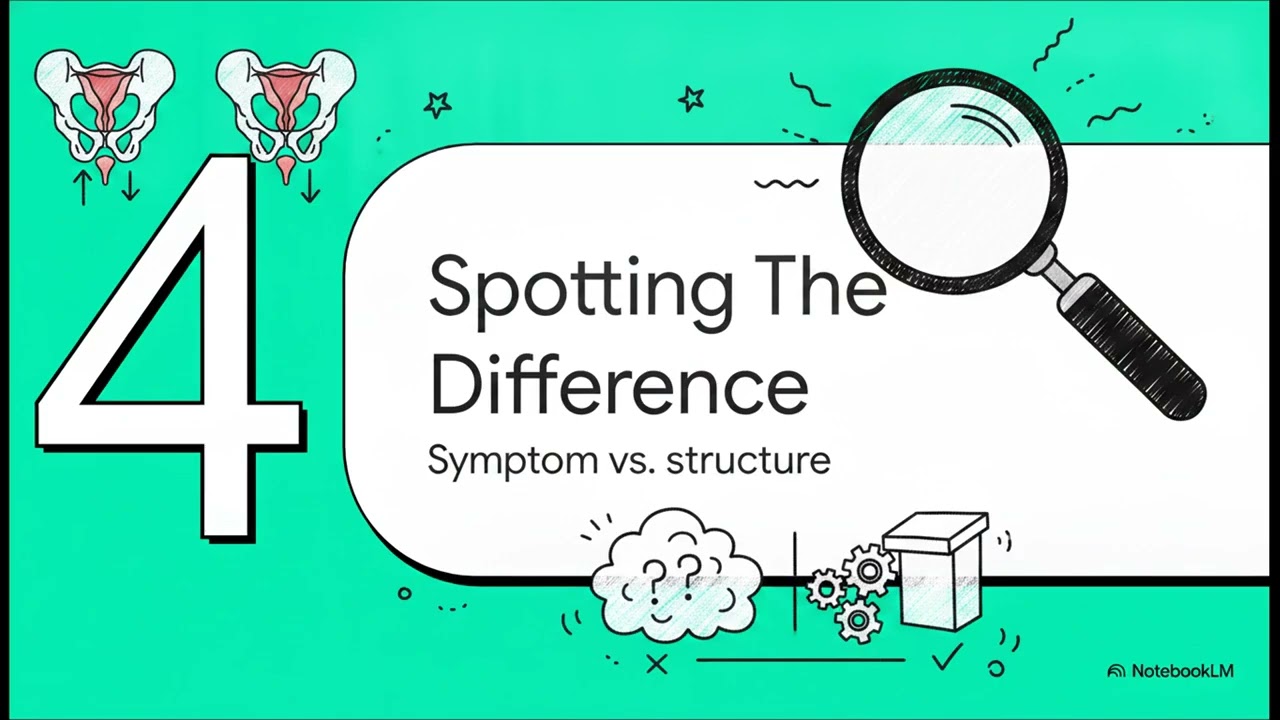
Vaginal vault prolapse is an apical prolapse that can happen after hysterectomy, when the top of the vagina loses support and descends downward. It can cause a vaginal bulge, pressure, heaviness, bladder or bowel symptoms and discomfort during sex. Not every woman who has had a hysterectomy will develop it, and not every post-hysterectomy bulge is a vault prolapse, but it is a recognised long-term support problem that deserves proper compartment assessment if symptoms appear.
The practical issue is not the old hysterectomy alone. It is whether the apex of the vagina has descended enough to affect daily function, bladder emptying, bowel function, comfort or intimacy. You can book a post-hysterectomy prolapse review if you want the anatomy and symptom pattern assessed more clearly.
Educational only. Clinical suitability must be confirmed following an appropriate consultation and assessment by a qualified healthcare professional. Results vary. Not a cure.
At a glance
Vault prolapse is defined by location: it is the top of the vagina descending after hysterectomy. The symptoms can overlap with other prolapse types, so examination still matters.
Diagnostic Differentiators
Key physical and clinical parameters
When it occurs
after hysterectomy
Compartment
apical / vault
Symptoms may include
bulge, pressure, bladder or bowel issues
Assessment needs
specialist compartment review
Critical Progressive Risk
Educational only. A previous hysterectomy does not by itself prove that a new bulge is a vault prolapse, so examination remains important.
What “vaginal vault” actually means
The vault is the top of the vagina. After hysterectomy it still needs support from surrounding tissues and ligaments, so descent at the apex can still occur later.
Key Overlapping Symptom Triggers
Because apical prolapse can coexist with anterior or posterior wall problems, symptoms do not always point cleanly to the vault without examination.
Vault prolapse is a post-hysterectomy diagnosis
The uterus has already been removed, so the prolapse involves the top of the vagina rather than the womb itself.
The symptoms can feel like general prolapse symptoms
Bulging, heaviness, pelvic pressure, bladder change, bowel symptoms and dyspareunia can all occur.
It can coexist with other compartments
A woman may have vault descent alongside anterior or posterior wall prolapse, which is why the examination needs to map all compartments.
Treatment remains stepwise
Conservative support, pessaries and surgery all remain part of the discussion depending on symptom burden and prolapse severity.
Most useful summary
Vaginal vault prolapse means the top of the vagina has descended after hysterectomy because its support has weakened.
It is a recognised prolapse type, but it still needs the same careful symptom-based and compartment-based assessment as other prolapse patterns.
Why this question matters
Post-hysterectomy symptoms can be interpreted too loosely unless the apical compartment is examined properly.
The label changes the surgical conversation
NICE specifically recognises vault prolapse in its surgical decision-making tools because the procedure choices are not the same as for uterine prolapse.
Symptoms may be misattributed
A woman may assume a new bulge is “scar tissue” or a bladder problem when the apex is actually descending.
It is not automatically severe
Vault prolapse can be mild or advanced, so the presence of the diagnosis alone does not dictate treatment.
Multi-compartment review is still essential
Apical prolapse often needs to be understood in the context of the front and back vaginal walls as well.
Why the post-hysterectomy context matters but does not answer everything
Knowing a woman has had a hysterectomy is essential because it changes what the prolapse might be. But it still does not replace examination, symptom mapping or a discussion of how much the prolapse is actually affecting quality of life.
That is why a previous operation is context, not a complete diagnosis.
What to review when vault prolapse is suspected
Review the hysterectomy history, any previous prolapse surgery, the pattern of bulge symptoms, bladder and bowel function, tissue health and whether other compartments are likely to be involved.
Helpful benchmark
If a post-hysterectomy bulge is accompanied by heaviness, bladder change or bowel dysfunction, an apical review is worthwhile even if the woman assumes it is only a front-wall issue.
Ask what has changed since hysterectomy
New pressure, bulging or worsening emptying symptoms deserve a fresh pelvic floor review rather than assumptions.
Check all compartments
Anterior and posterior wall prolapse can coexist with vault prolapse and may alter management priorities.
Use conservative options where appropriate
A pessary or pelvic floor support may still be appropriate even in a post-hysterectomy prolapse pattern.
Discuss surgery carefully if needed
If surgery is considered, recovery, recurrence, bladder and bowel effects and long-term goals still need explicit discussion.
Practical takeaway
A previous hysterectomy creates the context for vault prolapse, but it does not remove the need for a fresh prolapse assessment.
The best next step is to identify whether the apex is involved and how much that is really contributing to the symptoms.
Common myths
This diagnosis is often misunderstood because women may assume hysterectomy should have “prevented” future prolapse completely.
Myth: Hysterectomy means you cannot get prolapse afterwards.
Reality: the uterus is gone, but the top of the vagina still needs support and can still descend later.
Myth: Every post-hysterectomy bulge must be a vault prolapse.
Reality: the apex may be involved, but anterior or posterior wall prolapse can also cause the main symptoms.
Myth: Vault prolapse always means surgery.
Reality: surgery may be appropriate for some women, but conservative management and pessary support can still play a role.
Better lens
Think in terms of apical support failure after hysterectomy, not in terms of a failed operation or one inevitable treatment path.
Best next step
If you have had a hysterectomy and now feel a new bulge or pressure, ask specifically whether the vault is involved rather than assuming it is the bladder alone.
When watchful management is reasonable and when prolapse needs review sooner
Watchful management is more reasonable when the bulge is modest and bladder and bowel function remain stable. Review becomes more important when the apex feels lower, more exposed or more symptomatic.
Symptoms are mild and predictable
The prolapse pattern is recognisable, not rapidly worsening, and manageable with practical support.
Bladder and bowel function are stable
You can still empty your bladder and bowel without major obstruction, retention or recurrent splinting.
There is no tissue injury
There is no exposed, bleeding, ulcerated or infected-looking tissue at the vaginal opening.
There is a review plan
You know what to monitor and when to seek review rather than waiting until symptoms become much more intrusive.
Reassuring Signs Matrix (Green Flags)
Reassuring features often include:
Indicators to Pause and Re-Evaluate (Red Flags)
Arrange review sooner if you notice:
Signs Demanding Immediate Clinical Evaluation
A prolapse is rarely an immediate emergency, but the balance changes when emptying problems, exposed tissue, bleeding or a rapidly worsening bulge enters the picture. Access NHS 111 Support
Do not judge severity by appearance alone
The visible bulge does not always predict how much bladder, bowel or sexual function is being affected, so symptom review still matters.
Emptying problems need attention
Difficulty emptying the bladder or bowel can change the urgency of assessment even if the prolapse itself is long-standing.
Exposed tissue deserves prompt review
Tissue that rubs, bleeds, ulcerates or feels persistently sore can become much harder to manage if it is ignored.
Not every symptom is the prolapse
Back pain, discharge, dyspareunia or urinary symptoms may overlap with other conditions and should not be over-attributed.
This safety and escalation advice is purely educational and does not replace emergency medical care. If you are experiencing severe, worsening pain, heavy active bleeding, signs of systemic infection, acute urinary retention, or sudden incontinence, please contact NHS 111, your local GP, or an urgent care centre immediately.
Deep Clinical Context & Common Patient Inquiries
Why the word “vault” can sound more alarming than it is
Most women do not use the phrase “vaginal vault” in ordinary conversation, so the label can feel technical and unsettling. In practice it simply refers to the top of the vagina after the uterus has been removed. The important question is how much that area has descended and whether it is the main driver of symptoms.Technical language should clarify, not frighten.Why post-hysterectomy symptoms still need compartment mapping
Even when the apex is involved, a woman may also have bladder or bowel wall prolapse contributing to the symptom burden. Good assessment therefore maps all compartments and asks what function has changed rather than reducing everything to one old operation.That is how treatment becomes more precise.When to seek a more specialist conversation
If the prolapse feels more external, emptying is changing or you have already had previous pelvic floor procedures, it is sensible to review possible vaginal vault prolapse with a specialist. Apical prolapse management is often best discussed with the whole pelvic floor picture in view.Authoritative UK Clinical Resources
Access peer-reviewed guidance from national healthcare bodies to support your understanding of pelvic health conditions.
Pelvic Organ Prolapse - Your Pelvic Floor
Specialist patient guidance defining vaginal vault prolapse as descent of the top of the vagina after hysterectomy.Read NHS guidance
Recommendations | Urinary incontinence and pelvic organ prolapse in women: management | Guidance | NICE
NICE guidance that supports shared decision-making and includes specific patient decision aids for vaginal vault prolapse surgery.Read NICE guidance
Pelvic organ prolapse - NHS
NHS prolapse guidance for the broader symptom and treatment framework that still applies after hysterectomy.Read NHS guidance
Next step
Schedule a Confidential Specialist Evaluation
If you have had a hysterectomy and want a clearer view of whether the vault is involved and what that means for treatment, WHC can help map the prolapse pattern carefully.
Clinical reference materials used for this FAQ
Educational only. Individual treatment suitability can only be determined by a qualified professional after a thorough consultation and assessment. Results vary. Not a cure.
