

Private Nu-V CO₂ supportive treatment
Lichen Sclerosus Laser Treatment
Private Nu-V CO₂ laser treatment for selected women with vulval lichen sclerosus, offered only after a careful review of your diagnosis, current care, skin health and individual goals.
- CQC registered Regulated and inspected
- 4.8 / 5 From 3,500+ reviews
- Assessment-led Suitability before treatment
Your care comes first
A private laser consultation built around your existing lichen sclerosus care
Lichen sclerosus can affect comfort, confidence and intimacy. If you are exploring Nu-V treatment, we begin by listening to what has changed and reviewing the condition of the vulval skin—not by assuming that a procedure is the answer.
Prescription steroid ointment, maintenance care and ongoing monitoring remain the foundation of LS treatment. Fractional CO₂ laser may be considered as an additional, supportive option for selected women; it is not a cure and does not replace established care.
Important: Laser should not delay diagnosis or urgent review. A new lump, persistent ulcer, thickened or crusted area, unexplained bleeding, rapidly changing skin or a lesion that does not settle with prescribed treatment needs clinical assessment before any procedure is considered.
Watch patient stories, case discussions and media features
These WHC videos provide wider clinic and intimate-treatment context. They are not all about lichen sclerosus or laser treatment, and individual experiences do not predict suitability or outcomes.
Understanding your options
Lichen sclerosus: what, why, how and what else?
A clear understanding of the condition, established treatment and other options helps you decide whether a private laser consultation is a sensible next step.
What?
What is vulval lichen sclerosus?
Lichen sclerosus, often shortened to LS, is a long-term inflammatory skin condition. In women it most often affects the vulva and skin around the anus. It can occur at any age, although it is particularly common after menopause.
Persistent itching, burning, soreness or tenderness.
Pale, white, shiny, wrinkled or thickened patches of skin.
Fragile skin, fissures, bruising, bleeding or painful tears.
Scarring, narrowing or discomfort with sex, urination, wiping or sitting.
LS is not caused by poor hygiene, is not an infection and cannot be passed through touch or sexual contact. It usually affects external skin rather than the vaginal canal.
Why?
Why does lichen sclerosus develop?
The exact cause is unknown. LS appears to involve the immune system, and family or genetic susceptibility may play a part. Rubbing, scratching, surgery or other skin injury can sometimes trigger or worsen change in susceptible skin.
Some women also have autoimmune conditions such as thyroid disease, vitiligo or alopecia areata.
LS is more common after menopause, but low oestrogen is not established as its sole cause.
A flare can occur without an obvious trigger and is not a personal failure.
Because several vulval conditions can look or feel similar, a clinician may need to distinguish LS from lichen planus, dermatitis or eczema, psoriasis, vitiligo, infection, GSM or another cause of vulval pain.
How?
How is lichen sclerosus treated?
Lichen sclerosus treatment usually begins with a potent prescription steroid ointment—commonly clobetasol propionate 0.05%. Your clinician explains where, how much and how often to apply it, then reviews the response and maintenance plan.
Maintenance steroid treatment may be advised even when symptoms settle.
A specialist may consider a steroid-sparing medicine when first-line treatment is unsuitable or insufficient.
Follow-up and lifelong self-checking help identify disease activity, scarring or suspicious change.
Nu-V fractional CO₂ laser may be discussed only as an adjunct for selected women with a specific goal. It does not cure LS, replace prescribed treatment or remove the need for monitoring.
What else?
What else can support day-to-day comfort?
Practical skin care can reduce avoidable irritation, although it does not replace anti-inflammatory treatment.
Use a suitable emollient or soap substitute and avoid perfumed products, wipes and unnecessary antiseptics.
Reduce rubbing and scratching; choose breathable clothing and lubricant when appropriate.
Treat coexisting GSM, infection, pelvic-floor pain or another vulval condition on its own merits.
Ask for specialist or surgical review if scarring, adhesions or narrowing affect function.
No diet, probiotic, supplement or “natural remedy” has been shown to cure LS. Discuss anything applied to vulval skin because even natural products can irritate or trigger allergy.
Can photographs diagnose LS?
Clinical photographs can help with education, but online pictures cannot confirm your diagnosis. Colour, texture and symptoms overlap with several other vulval conditions, so examination remains important.
LS or lichen planus?
They are different inflammatory conditions. Lichen planus may cause red, glazed or erosive change and can involve the vagina or mouth; LS more often causes pale, fragile external skin. Some women have overlapping features.
When is biopsy considered?
Biopsy is not required for every woman. It may be recommended when the diagnosis is uncertain, the condition does not respond as expected, or an ulcer, lump, thickened area or other suspicious change needs investigation.
Still establishing the diagnosis or your long-term treatment plan?
Our Lichen Sclerosus Assessment & Treatment page explains the full diagnostic and medical-management pathway. This page continues with the separate question of whether private Nu-V laser may have a limited supportive role.
Individual suitability
Who may consider private lichen sclerosus laser treatment?
A treatment enquiry may be reasonable for selected adults with confirmed vulval LS, but consultation does not mean laser will be recommended.
Women with a confirmed diagnosis
The diagnosis should be clear and current disease activity reviewed. A procedure should not be used to bypass diagnostic uncertainty, specialist review or biopsy where these are needed.
Women already using established care
Laser is considered within—not instead of—a plan that includes prescribed anti-inflammatory treatment, vulval skincare, maintenance where advised and follow-up.
Women with a specific treatment goal
The consultation should identify exactly what the procedure is intended to address and whether laser is a reasonable option for the selected external tissue.
Women comparing private options
Some women want to compare laser with continued medical care, pelvic-floor support, treatment for coexisting GSM, specialist vulval review or surgery for functional scarring.
Concerns women often want to discuss
These concerns are relevant to assessment, but listing them does not mean laser is the correct treatment for each one.
Not sure whether your concern is LS, scarring, dryness or something else?
Do not choose a procedure from symptoms alone. Examination may identify active LS, infection, GSM, contact irritation, pelvic-floor pain, another vulval dermatosis or a lesion requiring biopsy or referral.
Request a confidential consultationClinical foundations
What comes before supportive laser treatment?
Laser can only be considered after the diagnosis, current treatment and condition of the skin have been reviewed.
Prescription treatment
Potent topical corticosteroid treatment—commonly clobetasol propionate 0.05%—is established first-line care. The regimen must be prescribed and reviewed for the individual.
Maintenance and follow-up
Lichen sclerosus is long-term. Ongoing maintenance, self-examination and periodic clinical review may still be needed even when symptoms improve.
Gentle vulval care
Reducing irritants and friction and using suitable emollient or barrier care may support comfort. These measures do not replace prescribed anti-inflammatory treatment.
When laser is postponed or avoided
Treatment should not proceed while safety, diagnosis or the main treatment goal remains uncertain. Further assessment may be required if any of the following apply:
Skin changes need review
A persistent ulcer, thickening, lump, crusting, bleeding or non-healing change must be assessed before any laser procedure.
Active disease control
The clinician reviews the current prescription, how it is being used and whether inflammation is controlled before discussing laser.
Coexisting concerns
GSM, infection, dermatitis, pelvic-floor tension, vulvodynia, scarring or sexual pain may need a different or additional treatment plan.
Suitability and medical history
When Nu-V laser treatment may need to wait
The consultation checks the condition of the skin and the wider factors that can affect bleeding, infection risk, healing and safe use of the device.
Active inflammation, infection or unexplained change
Laser is normally postponed if there is active ulceration, broken skin, significant inflammation, thrush, bacterial or sexually transmitted infection, urinary infection, pelvic inflammatory disease or another untreated infection.
An unexplained lesion, lump, thickening, bleeding point or non-healing area needs diagnosis—and sometimes biopsy or referral—before a procedure is considered.
Medicines and bleeding risk
Tell the clinician about anticoagulants or other blood-thinning medicines, antiplatelet medicines, aspirin, anti-inflammatory medicines, supplements and any bleeding or clotting disorder. These may alter the treatment plan or require advice from the prescriber.
Do not stop prescribed medication yourself. Any change must be agreed by the clinician who manages that medicine.
Healing, diabetes and immune health
Uncontrolled diabetes, significant immune suppression, a history of delayed wound healing or problematic scarring may increase risk or change recovery. Autoimmune disease itself does not automatically exclude treatment, but the full clinical picture matters.
Pregnancy, the early postpartum period and incomplete healing after childbirth or surgery are also reasons to postpone elective laser treatment.
Previous pelvic treatment or surgery
Previous pelvic radiotherapy, reconstructive surgery, vulval surgery, implanted devices, earlier laser procedures or unusual reactions to treatment must be reviewed before planning Nu-V.
Severe scarring, adhesions, clitoral phimosis or narrowing at the vaginal entrance may need an independent specialist or surgical opinion rather than laser.
Do not wait for a laser appointment if a skin change is concerning
Arrange prompt medical review for a new lump, persistent ulcer, hard or thickened area, crusting, unexplained bleeding, rapid change or a lesion that does not improve with prescribed treatment. These changes require assessment first.
Private treatment at WHC
Why women choose to explore Nu-V treatment with us
Women often want a discreet consultation, an honest discussion about whether laser has a reasonable role and a clear choice between nurse-led and doctor-led treatment.
Assessment before treatment
Diagnosis, disease activity, current care, anatomy, red flags and expectations are reviewed before a procedure is offered.
Private, respectful conversations
Itching, tearing, scarring, painful intimacy, appearance and treatment concerns can be discussed without embarrassment or pressure.
Nurse-led and doctor-led options
Where treatment is suitable, the recommended delivery route, treatment area, course, fees, recovery and follow-up are explained before you decide.
A consultation can still lead to a different recommendation
The right next step may be optimising established LS care, treating a coexisting concern, pelvic-floor support, specialist review, surgery for functional scarring or no procedure. Booking a consultation does not commit you to laser treatment.
Your treatment steps
How private Nu-V lichen sclerosus laser treatment works
The process begins with clinical review and proceeds only when the diagnosis, treatment area and treatment goal are clear.
Step 1
Initial enquiry
A confidential telephone discussion can explain the service, answer practical questions and help you decide whether to arrange the required clinical consultation.
Step 2
Book the £150 consultation
The appointment is for assessment and advice. It does not guarantee treatment on the day or commit you to a single session or course.
Step 3
Medical information
Complete the requested medical and gynaecological history, medication information and questionnaires. Bring relevant letters, biopsy results and details of current LS treatment if available.
Step 4
Examination and discussion
With your consent, the clinician examines the relevant skin, reviews disease control and checks for infection, scarring or suspicious change. Further investigation or referral may come first.
Step 5
Plan and consent
If Nu-V is suitable, the external or separately indicated vaginal area, nurse-led or doctor-led route, session plan, risks, alternatives, aftercare and fees are agreed before consent.
Step 6
Treatment and follow-up
A trained nurse or doctor delivers the agreed treatment. You receive individual aftercare, a review plan and clear instructions for continuing prescribed LS care and surveillance.
During treatment
What the procedure may involve
For external treatment, controlled fractional CO₂ energy is applied to selected vulval tissue using settings chosen for the area and clinical plan. The practitioner should not pass over suspicious, actively ulcerated or unsuitable tissue.
Internal vaginal treatment uses a dedicated applicator and is relevant only when a separate vaginal indication has been assessed. The number of passes, energy settings, preparation and comfort measures depend on the plan.
The appointment length and whether topical anaesthetic or another comfort measure is appropriate are confirmed before treatment rather than promised as one fixed protocol.
Aftercare
Recovery instructions are individual
Temporary warmth, tenderness, swelling, redness, light spotting, discharge or irritation may occur. External LS skin may be fragile, so recovery and skincare advice must reflect the condition of the treated tissue.
Follow the cleansing, emollient and prescribed-medication plan provided.
Avoid friction, intercourse, strenuous exercise, swimming, heat or products for the period advised.
Contact the clinic if pain, bleeding, discharge, swelling, urinary difficulty or skin change is unexpected or worsening.
Continue LS surveillance and prescribed maintenance unless your clinician changes the plan.
Exact restrictions are confirmed for the treated area and the individual; immediate unrestricted recovery is not promised.
Course and review
Single treatment, course of three or annual review?
The Nu-V price menu includes each route, but LS laser treatment is not automatically prescribed as a fixed package.
Single session
A single treatment may be considered when there is a defined area and objective, but one session cannot be assumed to produce a particular result.
Course of three
A course may be proposed after assessment. The number, spacing and continuation of sessions depend on tissue response, tolerance and clinical review.
Annual top-up
An annual top-up is a pricing option, not a medical requirement. Maintenance laser is considered only after reviewing current LS control, benefit, risk and alternatives.
Risks, recovery and expectations
What to consider before lichen sclerosus laser treatment
Nu-V is non-surgical, but it is still a medical procedure applied to tissue that may already be inflamed, fragile or scarred. A balanced consent discussion includes both common recovery effects and less common complications.
Common temporary effects
Warmth, stinging, tenderness, redness, swelling, light spotting, watery discharge or irritation can occur. The experience varies with the area treated, laser settings and condition of the skin.
These effects often settle, but fragile LS skin may take longer than healthy tissue. “Pain-free” and “zero downtime” should not be assumed.
Less common but important risks
Possible complications include infection, bleeding, burns, delayed healing, pigment change, scarring, altered sensation, worsening pain, an LS flare or no meaningful benefit.
Device-specific and individual risks are discussed before consent. No procedure is free from infection risk.
Looking after the treated area
Follow the clinic’s instructions on washing, emollients, prescribed ointment and products. Avoid rubbing, tight clothing and anything else likely to irritate healing skin.
Intercourse, strenuous exercise, swimming, hot baths and other friction or heat may need to be avoided for several days or longer, depending on the area and recovery.
When to contact the clinic
Contact the treating clinic if pain, swelling, bleeding, discharge, urinary difficulty, skin breakdown or another symptom is more severe than expected, worsening or not settling as advised.
Seek urgent medical help if you become acutely unwell. A treatment review does not replace routine LS follow-up or prompt assessment of suspicious skin change.
When might I notice change?
There is no guaranteed timetable. Any change should be reviewed against the specific goal agreed before treatment.
How long could it last?
Duration cannot be promised. LS is chronic and can fluctuate independently of the laser treatment.
Is a top-up required?
No. Annual top-up pricing is available, but further treatment is considered only after reassessment.
Other routes
Alternatives to Nu-V laser treatment
The most appropriate alternative depends on whether the main issue is active LS, skin fragility, GSM, pelvic-floor pain, functional scarring or another diagnosis.
Medical treatment and skin care
The first alternative is often to review how prescription steroid ointment is being used, refine maintenance treatment, address irritants and select suitable emollient or barrier care. Specialist-prescribed steroid-sparing treatment may occasionally be considered.
Treating a coexisting concern
GSM or vaginal dryness, infection, dermatitis, pelvic-floor tension, vulvodynia and sexual pain may need their own pathway. Lubricants, vaginal moisturisers, prescribed hormonal treatment, physiotherapy, pain care or dilators may be relevant after assessment.
Specialist procedures or surgery
Surgery may be considered for selected functional scarring, adhesions, clitoral phimosis or narrowing. RF, PRP or polynucleotides are sometimes discussed as private adjuncts, but LS-specific evidence is limited and none replaces first-line care or surveillance.
The best next step may be no procedure
A consultation may conclude that established treatment should be optimised, another condition treated or a specialist opinion arranged. That is a valid clinical outcome—not a failed consultation.
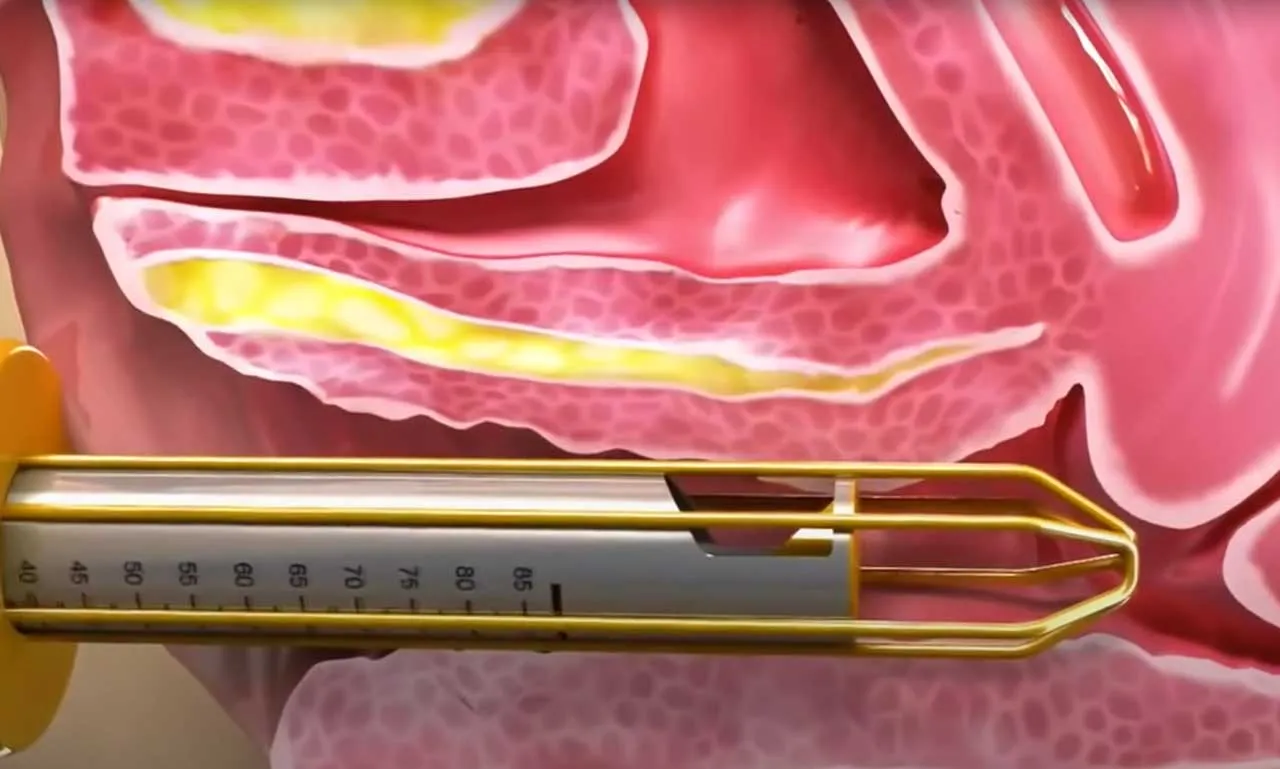
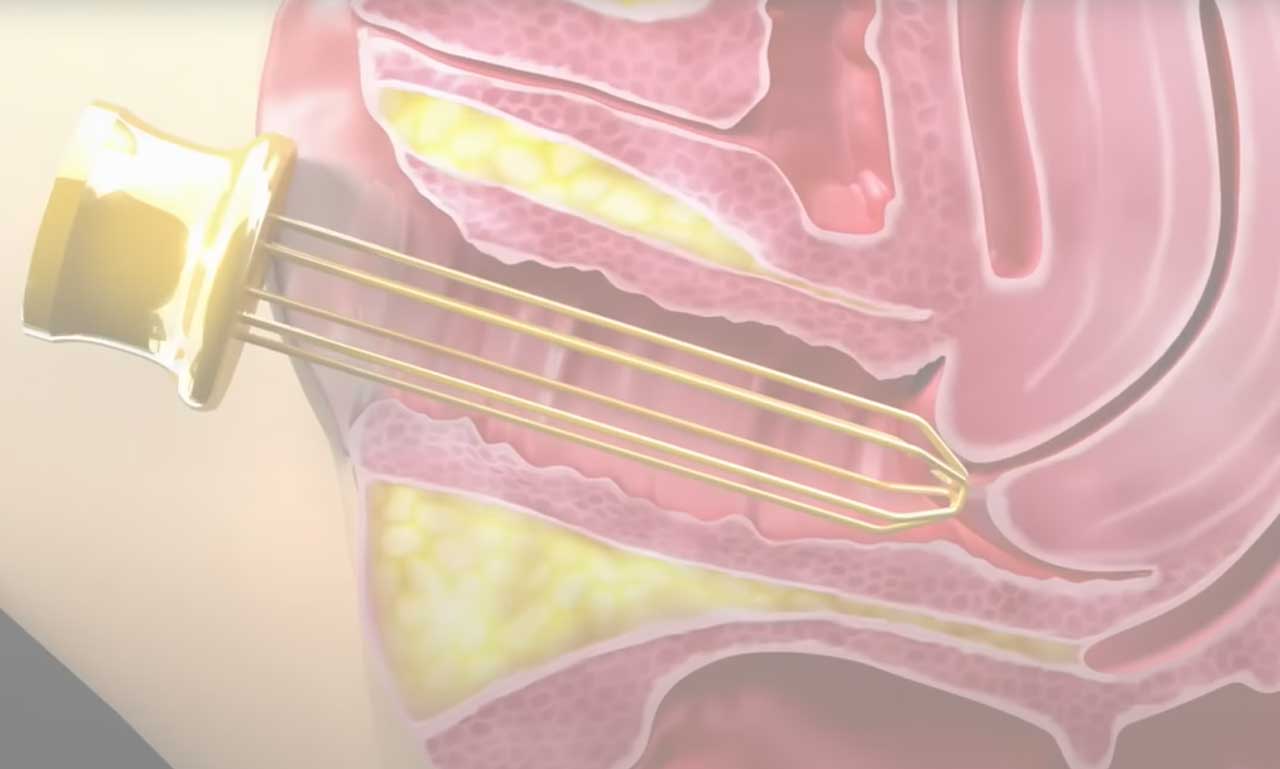
Artistic impression
Nu-V treatment before and after: what imagery cannot show
The slider is an artistic impression of an intimate-treatment journey, not clinical photography and not a representation of lichen sclerosus clearance, symptom relief or a promised result.
LS outcomes cannot be judged safely from appearance alone. Symptoms, inflammation, architecture, suspicious change, prescribed-treatment use and follow-up all matter.
Individual results vary. Laser does not remove the need for medical treatment or surveillance.
Private clinical care
Nurse-led and doctor-led Nu-V treatment at WHC
The appropriate route is confirmed after clinical review and depends on the treatment area, complexity, individual plan and availability.
Respectful intimate care
Examination and treatment are explained and consented, with privacy, dignity and the option to pause at any stage.
Choice of clinical delivery
Current pricing distinguishes nurse-led and doctor-led sessions, courses and top-ups. The recommended route is explained before booking treatment.
Escalation when needed
Biopsy, specialist vulval review, cancer-pathway referral, pelvic-floor care or surgery may be more appropriate than laser and will be discussed where relevant.
The clinician delivering treatment is responsible for consent, device use, immediate aftercare and escalation. Suspicious lesions or unresolved disease activity must be addressed before any procedure.
Current Nu-V fees
Private lichen sclerosus laser treatment prices
The consultation fee and nurse-led or doctor-led Nu-V prices are shown below. Payment for a package does not guarantee that every session will proceed without review.
Face-to-face consultation
Assessment of diagnosis, current care, disease control, treatment area, safety, evidence, alternatives and the proposed route.
Clinical consultation
One treatment
A single session after suitability and the delivery route have been confirmed.
Per treatment session
Nu-V course
Three sessions where a course is recommended, subject to clinical review and continued suitability.
Course pricing
Annual top-up prices
A top-up is considered after reassessment; it is not an automatic part of LS care.
Nurse-led top-up
£400
Doctor-led top-up
£600
What the fee decision includes
The appropriate price depends on the recommended clinical-delivery route and whether one treatment, a course or no laser is advised. Current fees should be rechecked before booking.
The private-care experience
How women often want lichen sclerosus care to feel
Women researching private treatment often want to be believed, examined sensitively and given an honest answer—even when that answer is that laser should not proceed.
Listened to
Itching, tearing, scarring, painful intimacy and fear of examination can be discussed without minimisation or embarrassment.
Clearly informed
The clinician explains standard care, the narrow supportive role of laser, uncertainty in the evidence, material risks and alternatives.
Not pressured
Consultation creates a plan. It does not oblige a woman to proceed with Nu-V, purchase a course or replace her established treatment.
Your route to treatment
From lichen sclerosus enquiry to an individual plan
You do not need to decide whether laser is right before speaking to us. The consultation is designed to help you understand the options and make an informed choice.
Step 1
Tell us what has changed
Share your diagnosis, current care, symptoms, skin changes, scarring, intimacy concerns and what has prompted you to explore private treatment.
Step 2
Assess and compare the options
The £150 consultation reviews safety and suitability. Laser, established care, treatment for coexisting concerns, referral or surgery may be compared.
Step 3
Choose without pressure
If Nu-V is suitable, the area, nurse-led or doctor-led route, price, course, risks and aftercare are agreed before treatment. You remain free not to proceed.
Treatment questions
Lichen sclerosus laser treatment FAQs
Direct answers about private Nu-V treatment, suitability, evidence, safety, recovery and fees.
1. What is vulval lichen sclerosus?
It is a chronic inflammatory skin condition that most often affects vulval and perianal skin. It may cause itching, soreness, fragility, fissures, white skin change and scarring, but symptoms and appearance vary. It is not an infection and cannot be passed through touch or sexual activity.
2. Can laser cure lichen sclerosus?
No. There is no permanent cure for LS. Nu-V is presented as a possible supportive option for selected women, not a cure or a way to end surveillance.
3. Is CO₂ laser first-line treatment for lichen sclerosus?
No. Potent prescription steroid ointment is established first-line care. Laser evidence is limited and mixed, so the procedure should not displace appropriate medical treatment.
4. Can laser replace clobetasol or my maintenance ointment?
It should not be presented as a replacement. Continue prescribed treatment unless the clinician responsible for your LS changes the plan.
5. Who might be considered for supportive laser treatment?
A selected adult with a clear diagnosis, controlled disease, no suspicious lesion and a specific treatment goal may be considered after consultation. Suitability cannot be decided from symptoms alone.
6. Is treatment external, internal or both?
LS usually affects external vulval or perianal skin, not the vaginal canal. External treatment is therefore the relevant LS discussion. Internal treatment is used only for a separately assessed vaginal indication when appropriate.
7. Must the diagnosis be confirmed before laser?
Yes. The clinician must be satisfied about the diagnosis and current condition of the skin. Diagnostic uncertainty should lead to further assessment rather than procedure-first treatment.
8. Will I need a biopsy?
Not everyone needs one. Biopsy may be advised where the diagnosis is uncertain, treatment response is unusual or there is an open sore, thickened area or suspicious change. WHC will explain whether referral is needed.
9. Which skin changes require prompt review?
Seek review for a new lump, persistent ulcer, thickened or crusted area, unexplained bleeding, rapidly changing appearance or a sore area that does not respond to prescribed treatment.
10. Is there a vulval-cancer risk?
There is a small but important risk of vulval skin cancer in affected areas. Good disease control, lifelong self-examination and prompt review of suspicious change matter. Laser does not remove this risk or replace surveillance.
11. How does fractional CO₂ laser work?
It delivers controlled energy in microscopic treatment zones. A tissue-remodelling response is intended, but that mechanism does not prove that laser controls LS inflammation, prevents scarring or reduces cancer risk.
12. What does the evidence show?
Studies report mixed findings. Some describe symptom improvement, while sham-controlled trials and systematic reviews do not establish laser as effective monotherapy. High-quality long-term evidence remains limited.
13. How many Nu-V sessions will I need?
WHC offers single-session and course-of-three pricing, but the correct plan varies. A course should be recommended only after assessment and reviewed as treatment progresses.
14. Is treatment nurse-led or doctor-led?
Both options are available, with different fees. The appropriate clinician is confirmed after the treatment area, complexity and proposed plan have been reviewed.
15. Is lichen sclerosus laser treatment painful?
Comfort varies with skin condition, treatment area and settings. Warmth, stinging or tenderness may occur. Preparation and comfort measures are discussed before treatment; absence of discomfort is not promised.
16. What downtime should I expect?
Many women can return to ordinary non-strenuous activity relatively soon, but fragile LS skin may need longer. Temporary tenderness, redness, swelling, spotting, discharge or irritation can occur.
17. When can I resume sex, exercise or swimming?
Follow the personalised aftercare advice for the area treated. Restrictions vary, and intercourse or friction should not resume while the tissue remains sore, swollen, bleeding or incompletely healed.
18. What are the risks?
Possible risks include pain, irritation, swelling, bleeding, infection, pigment change, burns, delayed healing, scarring, altered sensation, flare or worsening symptoms. Rare or device-specific risks are explained during consent.
19. When will I see a result?
There is no guaranteed timetable or outcome. Any change should be assessed against the agreed goal, symptoms, examination findings, established-treatment use and natural fluctuation of LS.
20. Are results permanent, and will I need a top-up?
Permanent results cannot be promised. LS remains a chronic condition. Annual top-up pricing exists, but further laser is offered only after reassessment—not automatically.
21. What alternatives may be discussed?
Alternatives depend on the main problem and may include optimising prescribed LS treatment, specialist vulval review, barrier care, treatment for coexisting GSM or infection, pelvic-floor physiotherapy, pain support, dilators or surgery for selected functional scarring.
22. Can I have treatment during pregnancy or an active flare?
Laser is generally postponed where pregnancy, active inflammation, ulceration, infection or impaired healing makes treatment unsuitable. Individual contraindications are checked during assessment.
23. How much does private lichen sclerosus laser treatment cost?
Consultation is £150. A single session is £599 nurse-led or £799 doctor-led. A course of three is £1,200 nurse-led or £1,800 doctor-led. Annual top-up pricing is £400 nurse-led or £600 doctor-led.
24. Can lichen sclerosus pictures tell me whether I have it?
Pictures may help you recognise that a vulval change deserves review, but they cannot confirm LS. Lighting, skin tone and overlapping conditions can make self-diagnosis unreliable. Examination—and sometimes biopsy—is the safer route.
25. Are there natural remedies for lichen sclerosus?
Gentle skin care, a suitable emollient or barrier product and avoiding irritants can support comfort. No diet, oil, probiotic, supplement or other natural remedy has been shown to cure LS or replace prescription steroid treatment. Check products with a clinician because natural ingredients can still irritate or cause allergy.
26. What is the difference between lichen sclerosus and lichen planus?
Both are inflammatory conditions, but they differ in typical appearance and distribution. LS usually affects pale, fragile external vulval or perianal skin; erosive lichen planus may look red or glazed and can involve the vagina or mouth. Overlap is possible, so diagnosis should be clinical rather than based on a checklist.
27. Does Nu-V mean I will not need surgery or labiaplasty?
No. Laser and surgery have different roles. Functional scarring, adhesions, clitoral phimosis or significant narrowing may need specialist surgical assessment. Labiaplasty is not a treatment for active LS inflammation and should not be assumed from appearance alone.
28. Which medicines and medical conditions should I disclose?
Tell us about anticoagulants or antiplatelet medicines, bleeding disorders, diabetes, immune suppression, wound-healing problems, previous pelvic radiotherapy or surgery, pregnancy or recent childbirth, active infection and earlier reactions to laser. Do not stop prescribed medication unless the responsible prescriber tells you to.
29. Is Nu-V laser treatment cosmetic?
This page discusses Nu-V as a private supportive treatment considered within medical LS care, not as a guaranteed cosmetic transformation. The consultation identifies the actual concern and whether a medical, functional, surgical or no-procedure route is most appropriate.
30. Where is Nu-V treatment available?
Clinic and practitioner availability can vary. Contact WHC with your preferred location and whether you are seeking a nurse-led or doctor-led route; the team can confirm the current consultation and treatment options.
Book private lichen sclerosus laser assessment
Request a £150 consultation.
Review the diagnosis and current LS care.
Examine where clinically appropriate.
Exclude red flags and compare the evidence.
Proceed only if supportive laser treatment is suitable.
Evidence and treatment choice
What does the evidence say about laser for vulval lichen sclerosus?
Research is developing, but laser has not been shown to replace prescription steroid treatment or ongoing surveillance.
Some studies report improvement
Small studies and some comparative trials report improvements in selected symptoms or clinical measures. Different devices, protocols, comparison groups and outcomes make the findings difficult to generalise.
Controlled trials are less certain
A randomised sham-controlled trial did not show fractional CO₂ laser monotherapy improved its primary tissue outcome. This is one reason results should not be promised.
Long-term questions remain
Reliable evidence is insufficient to say laser prevents scarring, controls inflammation long term or reduces vulval-cancer risk. Established care and monitoring therefore continue.
What this means for your consultation
Laser may be discussed only as a supportive option for selected women after assessment and within an ongoing LS plan. The clinician will explain the uncertainty, alternatives, material risks, cost and possibility of no benefit.
No result, duration or need for a particular course can be guaranteed. A decision not to proceed with laser can be an appropriate outcome of consultation.
Clinical sources
Guidance and research behind our advice
These sources cover established LS care, follow-up and the current limitations of laser evidence.
British Association of Dermatologists
Patient guidance on diagnosis, first-line treatment, self-care and monitoring.
ISSVD Practical Guide
Comprehensive guidance on diagnosis, management and alternative-treatment limitations.
Mitchell et al., 2021
Randomised sham-controlled study of fractional CO₂ laser monotherapy.
Wei et al., 2025
Systematic review of randomised trials and the remaining evidence gaps.
Aksahin et al., 2026
Systematic review of energy-based therapies for vulval lichen sclerosus.
BSSVD follow-up guide
A clinician guide to maintenance, examination and follow-up priorities.
Would you like to discuss whether Nu-V has a role in your care?
A private consultation gives you time to review your current LS plan, understand the limitations of laser and compare suitable next steps without committing to treatment.
Request a confidential consultationRead expert women’s health articles
The original page linked to detailed articles on this and many other topics. The post carousel and bubbles below preserve access to this supporting knowledge base.
Dr. Kamaljit Singh
Specialist in Cosmetic Medicine With over 24 years as a GP and 15 years specializing in cosmetic dermatology,…
Read MoreStill not sure where to start?
Browse the wider treatment pages or book a free consultation.
Further reading
Read expert women’s health articles
Explore wider education from The Women’s Health Clinic.
Questions and answers
Browse related women’s health FAQs
Find additional answers about vulval health, intimate care and treatment options.
