
Acne treatment UK
Acne Treatment UK — Doctor-Led Care for Acne, Breakouts and Acne-Prone Skin
Acne is not just a teenage skin problem. It can continue into adulthood, appear around hormonal changes, flare with PCOS, or leave marks and scarring that affect confidence long after active spots settle.
At The Women’s Health Clinic, we take acne seriously as a medical skin condition. Your consultation focuses on understanding the pattern, triggers, skin type, hormonal context, previous treatments, and whether scarring or pigmentation also needs a plan.
The aim is not to sell a one-size-fits-all facial. It is to build a sensible, stepwise acne plan — from prescription-led topical and oral options where appropriate, through to peels, light-based treatments, microneedling, laser or scar-focused care when suitable.
Common acne patterns we assess
Acne can look and behave differently from one person to another. Pattern recognition matters.
What may be discussed
Your plan may combine medical, lifestyle, skincare and procedural options.
Educational only. Not a diagnosis or medical advice. Suitability is confirmed after consultation and assessment. Results vary. Not a cure.
At a glance
Acne care starts with understanding the type of acne, severity, triggers, previous treatments, skin sensitivity, pigment risk, scarring risk and whether hormones may be contributing.
Assessment-led
Acne type, triggers and skin history reviewed
First step
clinical skin review
Approach
stepwise treatment plan
Focus
active acne + marks/scars
Timeline
usually measured in months
Especially relevant for women
Hormonal, PCOS, cycle-related and perimenopause patterns
Pattern-led assessment
We look at where acne appears, when it flares, skin type, triggers, previous treatments and whether hormones may be contributing.
Clear next-step plan
Your plan may include prescription skincare, lifestyle support, hormonal review, peels, LED/light therapy or scar-focused treatments where suitable.
Clinical appropriateness first
We only consider treatment where there is a clear medical, functional or psychological wellbeing context and where treatment is clinically appropriate after assessment.
We do not provide trend-led or appearance-only treatment where expectations are unrealistic, suitability is unclear, or a safer alternative pathway is more appropriate.
What is acne?
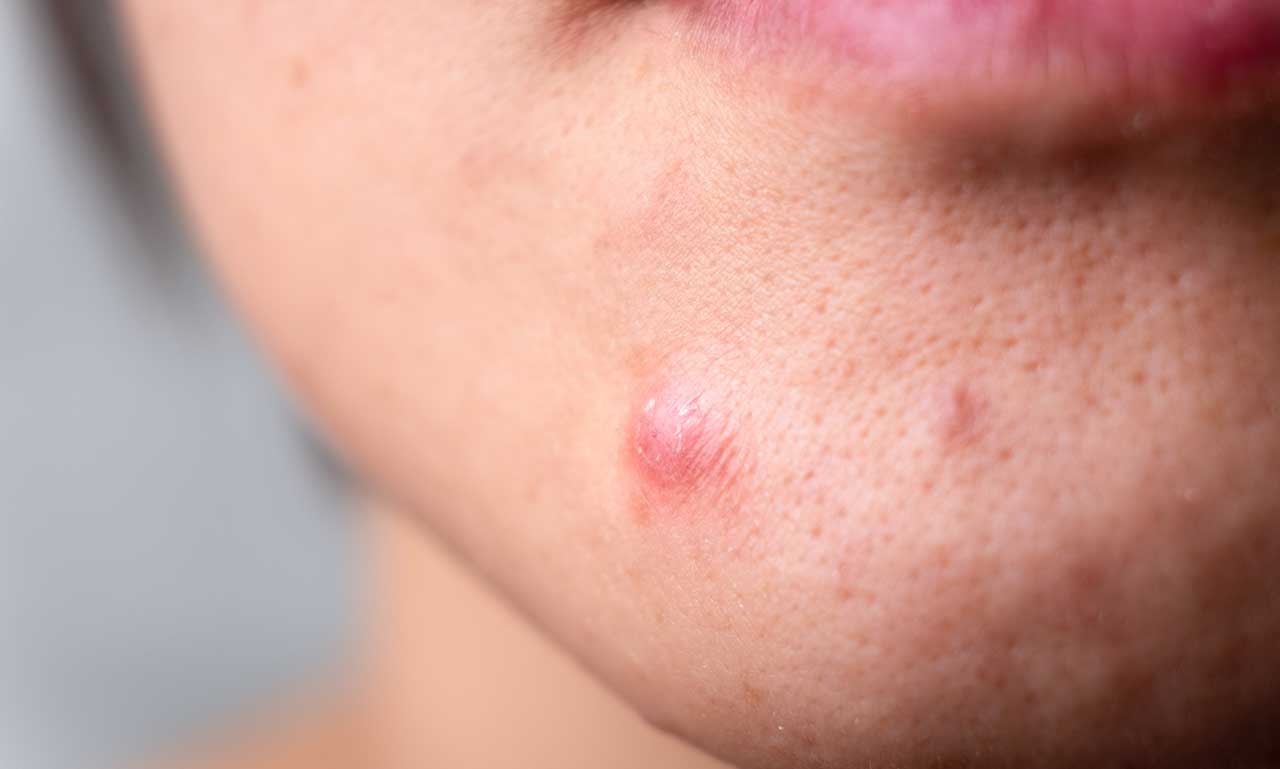
Acne vulgaris is a common inflammatory skin condition involving blocked pores, oil production, bacteria, inflammation and individual skin sensitivity. It can appear as blackheads, whiteheads, red bumps, pustules, deeper cysts or nodules.
For some people, acne is mild and occasional. For others, it is persistent, painful, hormonally driven, linked with PCOS, or complicated by post-inflammatory pigmentation and scarring.
Active acne
Active acne may include whiteheads, blackheads, inflamed spots, pustules, cysts or painful nodules. Treatment depends on severity, location, previous response and skin sensitivity.
Hormonal patterns
Adult women often describe breakouts around the jawline, chin, neck or lower face, especially around periods, perimenopause, PCOS, stress or medication changes.
Marks and scarring
Acne can leave red marks, brown pigmentation or textural scars. These usually need a different strategy from active acne control, and timing matters.
The balanced way to think about acne treatment
Good acne care is rarely about one product or one procedure. It is usually a structured plan: calm inflammation, reduce blocked pores, protect the skin barrier, avoid unnecessary irritation, then address marks or scarring once active breakouts are controlled.
Who is acne treatment for?
Acne treatment may suit anyone struggling with persistent breakouts, painful spots, hormonal flares, post-acne marks or early scarring — especially where over-the-counter skincare has not been enough.
Adult women with persistent acne
Adult acne may be stubborn, recurrent and emotionally draining. It often needs a more careful plan than simply changing cleanser or applying stronger exfoliants.
Hormonal acne, PCOS and cycle-related breakouts
Where acne flares around periods, appears with increased facial hair, irregular cycles or PCOS features, the plan may need to consider hormones as well as skin.
People with acne marks or scarring
If breakouts leave dark marks, red marks, uneven texture or early scarring, treatment planning should protect against further scarring while considering later scar-focused treatments.
When acne needs urgent or specialist escalation
Severe nodules, rapid scarring, significant pain, medication complications, or severe emotional distress may need urgent GP/dermatology referral rather than routine aesthetic-style treatment.
Hormonal acne treatment — PCOS, perimenopause and cycle-related breakouts
This is where WHC can be particularly useful. Acne in women is often not just a skin issue. It may sit alongside irregular cycles, unwanted facial hair, PCOS, perimenopause symptoms, contraception changes or stress physiology.
What we look for
A careful history helps identify whether your acne is more likely to be oil/comedone-led, irritation-led, hormonally influenced, or mixed.
PCOS acne
PCOS-linked acne may need a broader plan that considers cycles, androgen symptoms, metabolic health, contraception, hair growth and skin treatment together.
Perimenopause acne
Some women develop new or worsening acne during perimenopause, often alongside sensitivity, dryness, rosacea-like redness or changing tolerance to products.
Medication and contraception context
Changes in contraception, steroid medication, testosterone exposure, supplements or some skincare routines can influence acne. These details matter before choosing treatment.
Spironolactone discussion
For selected adult women, anti-androgen options such as spironolactone may be discussed or referred for prescribing review where clinically appropriate. It is not suitable for everyone.
Why this matters
Treating hormonal acne only from the skin surface can sometimes help, but it may not be enough. Equally, assuming all adult female acne is hormonal can lead to missed irritant, skincare, rosacea, medication or scarring issues. The consultation helps separate these strands.
How acne treatment works
The best acne plan is usually staged. We first reduce active breakouts and inflammation, then maintain control, then address marks or scars once the skin is stable enough.
1. Medical consultation
We review your acne history, distribution, severity, skincare routine, triggers, medication history, hormonal context and previous treatment response.
2. Active acne control
Treatment may include topical medicines, oral options, hormonal review, skin barrier support or procedure-based support depending on your needs.
3. Review and adjust
Acne treatments take time. We monitor tolerance, dryness, irritation, improvement and whether the plan needs escalation or simplification.
4. Marks and scar plan
Once acne is controlled, we can consider peels, microneedling, laser, light-based treatment or scar-specific approaches where suitable.
Treatment methods we may use for acne, marks and scarring
Acne is the condition. The treatment method depends on the type of acne, severity, hormonal pattern, skin tone, sensitivity, scarring risk, previous treatment response and what you are hoping to achieve. Some patients need a simple medical plan. Others need a staged combination of medical, hormonal and clinic-based treatments.
Medical acne care
A structured medical plan may include topical treatments, prescription-led skincare, oral options, safety counselling and referral where specialist dermatology care is needed.
Hormonal pathway
Where acne appears linked to cycles, PCOS, perimenopause, contraception changes or androgen symptoms, treatment may need to consider the wider hormonal picture.
Clinic-based skin treatments
Selected in-clinic treatments may support acne-prone skin, congestion, inflammation or post-acne marks when the timing and skin barrier are appropriate.
Marks and scar-focused care
Acne marks and scarring usually need a separate plan after active acne is controlled. Timing, scar type and skin tone influence the safest option.
Why a staged pathway matters
It is usually better to control active acne first before starting scar-focused procedures. Treating scars while acne is still actively flaring may lead to frustration, repeated inflammation and less predictable results.
Why we avoid one-size-fits-all packages
The best method for acne depends on the person. A teenager with comedonal acne, an adult woman with PCOS-linked acne, and someone with post-acne scarring may all need different routes.
When referral may be needed
Some acne should not be managed only in an aesthetics setting. Severe nodular acne, rapid scarring, suspected medication-related acne, pregnancy-related treatment complexity, or significant emotional distress may need GP or dermatology referral.
If isotretinoin is likely to be needed, that pathway is usually through a dermatologist. We can help you understand when that conversation is appropriate.
For women with PCOS symptoms, cycle irregularity, hirsutism or metabolic concerns, acne care may sit alongside wider women’s health assessment rather than being treated as a purely cosmetic skin concern.
This is where WHC’s broader women’s health background can be especially useful.
Acne results need honest context
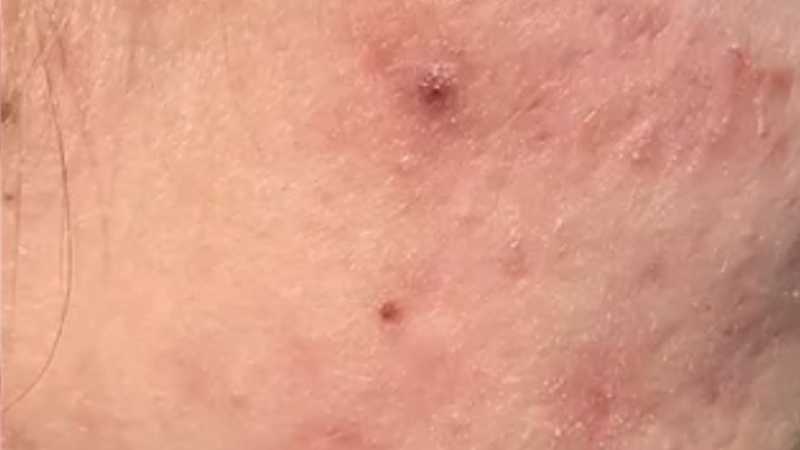
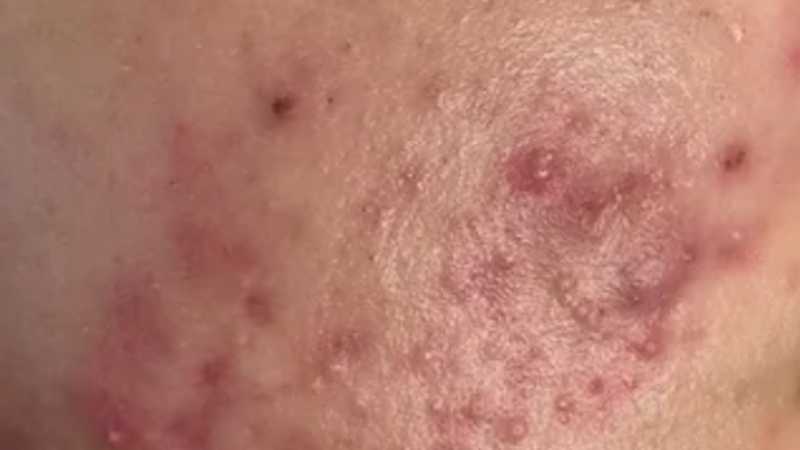
Acne improvement depends on severity, consistency, hormones, medication tolerance, scarring tendency and time. When we add before-and-after functionality, it should show realistic patient journeys rather than over-promised transformations.
Book Free ConsultationBefore & after
Images are shown for illustration and educational purposes only. Individual results vary, and no treatment outcome can be guaranteed. Suitability and expected results are discussed during consultation.
Why choose a structured acne plan?
Acne treatment works best when active breakouts, skin barrier, pigmentation risk, scarring risk and maintenance are all considered together.
Control active acne first
Scarring and pigmentation risks are reduced when active inflammation is controlled early and consistently.
Avoid product overload
Many people arrive using multiple actives, acids and exfoliants. Sometimes the first step is simplifying the routine so the skin can tolerate treatment.
Plan for maintenance
Acne often needs maintenance even after improvement. Stopping everything suddenly can lead to relapse.
Fewer uncontrolled flares
The goal is to reduce frequency and severity of breakouts, not simply dry out the skin temporarily.
Scarring prevention
Deep, painful or persistent acne has a higher risk of scarring. Early control matters.
Confidence and wellbeing
Acne can affect confidence, social life, work and relationships. It deserves practical and compassionate care.
Realistic timing
Most acne plans need weeks to months. We explain what to expect so you do not abandon treatment too early.
Benefits patients may be looking for
Patients usually want more than fewer spots. They want less uncertainty, less covering up, fewer painful flares, clearer guidance, and a plan that makes sense for their skin and life stage.
Results vary. Suitability is always confirmed after consultation and assessment.
Acne treatment prices UK
Featured consultation price and full pricing guidance
Acne treatment pricing depends on the route recommended after assessment. Some patients need consultation and a medical plan only. Others may need chemical peels, LED/light therapy, microneedling, laser, scar-focused treatment, blood tests or referral. For the most complete and up-to-date information, please check our full pricing page.
Free initial enquiry
A short enquiry call to understand your concern and guide you towards the most appropriate appointment or pathway.
Initial enquiry call
Acne consultation
A focused clinical review of acne type, triggers, skincare, hormonal context, scarring risk and possible treatment methods.
Featured starting price
Treatment pricing
Peels, LED, microneedling, laser, scar-focused treatments and other procedures are priced according to the plan recommended.
Full price list
Why prices vary
Acne is not treated with one fixed package. A patient with mild comedonal acne may need a different plan from someone with PCOS-linked jawline acne, painful cysts, pigmentation or established acne scarring.
What may affect the final cost?
Check the full pricing page
We are building a central pricing page so patients can check treatment costs in one place. This acne page gives the featured starting point, but the full pricing page should be treated as the main source for detailed and updated prices.
Prices may vary depending on assessment, treatment suitability, prescription requirements, treatment combinations and follow-up needs. Please check the full pricing page and confirm costs before proceeding.
Risks, limitations and when acne needs medical review
Acne treatments can be very effective, but they must be chosen safely. Prescription medicines, peels, devices and scar treatments all have limitations and suitability criteria.
Prescription safety
Some acne medicines are unsuitable in pregnancy, breastfeeding, certain medical conditions or with particular medications. A safe plan depends on your history.
Pregnancy and fertility context
Retinoids and several oral acne medicines may not be appropriate when pregnant, trying to conceive or breastfeeding. This must be discussed clearly.
Peels, lasers and pigmentation risk
Chemical peels, laser and microneedling can be useful in selected cases, but timing, skin tone, active inflammation and pigmentation risk must be considered.
Seek urgent or specialist advice if acne is severe or rapidly worsening
Aesthetic-style acne treatments are not a substitute for medical care where acne is severe, painful, scarring, or affecting mental wellbeing significantly.
Educational only. This page does not replace medical diagnosis, prescribing advice or urgent care. Suitability, risks, alternatives and expected outcomes must be discussed during consultation. Results vary. Not a cure.
Acne Treatment FAQs
Clear answers to common questions about adult acne, hormonal acne, PCOS acne, acne scarring and treatment planning.
Acne is usually linked to a combination of blocked pores, oil production, bacteria, inflammation and individual skin sensitivity. Hormones, stress, PCOS, skincare products, medication and genetics can all influence the pattern.
Adult acne can be more persistent and may be more hormonally influenced, especially in women. It often appears around the chin, jawline and lower face, but it can also affect the chest, back and shoulders.
PCOS can contribute to acne in some women because of androgen-related effects on oil production. If acne is accompanied by irregular periods, unwanted facial hair or scalp hair thinning, a broader PCOS-aware assessment may be appropriate.
Some women develop new or worsening acne during perimenopause as hormone balance changes. Skin may also become more sensitive or dry, so acne treatment may need to be gentler and more carefully staged.
Treatment may include topical treatments, oral medication, hormonal options, skincare changes, peels, LED/light therapy, microneedling, laser or referral for specialist dermatology treatment. The right plan depends on acne type, severity, scarring risk and medical history.
Spironolactone is sometimes used off-label for adult female acne, particularly when hormonal features are present. It is not suitable for everyone and requires clinical assessment, prescribing oversight and safety counselling.
Most acne treatments need several weeks to months. Some people see early improvement, but a realistic review period is often around 8–12 weeks depending on the treatment used. Hormonal treatments may take longer.
Yes, but acne scarring usually needs a separate plan once active acne is controlled. Options may include microneedling, laser, TCA CROSS, subcision referral or combined approaches depending on the scar type and skin tone.
Chemical peels may help selected acne-prone skin, congestion and post-acne marks, but they are not suitable for every skin type or every stage of acne. Timing, active inflammation, pigmentation risk and skin barrier health matter.
No, but bring a list or photos of what you use. Many acne routines contain multiple exfoliants or actives, and simplifying the routine is sometimes part of the treatment plan.
Some treatments can cause temporary dryness, irritation or an adjustment phase. A clinician should explain what is expected, what is not expected, and when to stop or seek advice.
Some acne treatments are not suitable in pregnancy or when trying to conceive, including retinoids and certain oral medicines. Always disclose pregnancy, breastfeeding or fertility plans before starting treatment.
The featured starting price for a doctor-led acne consultation is from £150. Further treatment costs depend on whether you need prescriptions, peels, LED, microneedling, laser or scar-focused treatment.
Acne can relapse, especially if there is a hormonal driver or treatment is stopped too early. Maintenance skincare or medication may be recommended to reduce recurrence.
Your next steps
1. Book your free consultation
2. Talk through your acne pattern and concerns
3. Have a clinical assessment if appropriate
4. Receive a personalised acne plan
5. Review progress and adjust safely
If acne is affecting your confidence, comfort, skin texture or wellbeing, you do not need to guess your way through endless products. A structured consultation can help clarify the safest next step.
Clinical references used for this page
This page is educational and should be reviewed clinically before publication. The references below support general acne management, adult female acne/hormonal treatment context, and safety-first treatment planning.
NICE acne vulgaris guideline
Covers acne management in primary and specialist care, including topical and oral treatments and mental wellbeing impact.
British Association of Dermatologists
Patient information on spironolactone and dermatology-led acne safety considerations.
Primary Care Dermatology Society pathway
Supports stepwise acne treatment principles and antibiotic stewardship.
UK clinic pricing benchmarks
London/UK clinic pricing references were used to avoid placeholder pricing and provide a realistic featured consultation price.
References
- 1. NICE NG198: Acne vulgaris management.
- 2. British Association of Dermatologists: Spironolactone patient information.
- 3. Primary Care Dermatology Society acne pathway and antibiotic stewardship guidance.
- 4. UK/London dermatology and skin clinic pricing pages used for pricing benchmark context.
Watch patient stories, case studies and media features
Explore our video gallery to hear real patient experiences, learn more through case-based discussions, and watch selected media coverage featuring our work and approach.
Dr. Hany Mostafa
Specialist in obstetrics & gynaecology Dr. Hany Mostafa is a Consultant Obstetrician and Gynaecologist specializing in reproductive medicine…
Read MoreStill not sure where to start?
Browse the wider treatment pages or book a free consultation.
Browse our women’s health FAQs
Find clear answers to common questions about consultations, treatments, symptoms, preparation, aftercare, pricing and what to expect when visiting The Women’s Health Clinic. Use the FAQ bubbles below to continue exploring.
