
Neck lines and neck ageing treatment UK
Neck Lines and Neck Ageing Treatment UK — Doctor-Led Assessment for Necklace Lines, Crepey Skin and Neck Skin Quality
Neck lines and neck ageing can include horizontal neck lines, necklace lines, crepey neck skin, skin laxity, texture change, sun-related ageing, lower-face and neck transition changes, and movement-related neck bands.
At The Women’s Health Clinic, neck concerns are assessed carefully before treatment is recommended. We look at skin quality, line depth, laxity, pigmentation, sun damage, collagen support, lower-face balance, posture-related creasing, previous treatments, medical history and whether non-surgical treatment is appropriate.
The aim is to build a safe, realistic and natural-looking plan — which may include skin-quality support, collagen-supporting options, selected injectable assessment, maintenance planning or referral where neck laxity or anatomy is outside routine non-surgical treatment.
Common concerns we assess
Neck ageing is not all caused by the same thing. Lines, laxity, texture, pigment and movement need different planning.
What may be discussed
Your plan depends on whether the concern is skin quality, etched lines, laxity, movement, pigmentation, sun damage or lower-face support.
Educational only. Not a diagnosis or medical advice. Suitability is confirmed after consultation and assessment. Results vary. Not a cure.
At a glance
Neck care starts by understanding whether the concern is caused by skin quality, etched lines, collagen change, sun damage, laxity, movement, posture-related creasing or lower-face support.
Skin-quality led
Lines, laxity, texture and sun damage reviewed separately
First step
neck assessment
Approach
gradual and realistic
Focus
lines, texture + firmness
Timeline
review and maintenance based
Especially important
Neck laxity, sun damage, movement lines, previous treatment and expectations affect suitability
Skin-quality focus
The aim is usually gradual improvement in skin texture and line appearance, not a surgical neck-lift effect.
Realistic improvement
Neck lines and crepey skin may improve in selected cases, but complete removal is rarely realistic.
Clinical appropriateness first
We only consider treatment where there is a clear medical, functional or psychological wellbeing context and where treatment is clinically appropriate after assessment.
We do not provide trend-led or appearance-only treatment where expectations are unrealistic, suitability is unclear, or a safer alternative pathway is more appropriate.
What are neck lines and neck ageing concerns?
Neck lines and neck ageing concerns are visible changes in the neck area. They may include horizontal neck lines, necklace lines, crepey skin, texture change, laxity, pigmentation, sun damage and lower-face-to-neck ageing changes.
They can be influenced by genetics, skin quality, collagen loss, sun exposure, posture, repeated movement, weight change, menopause-related skin changes, lower-face support, previous treatments and natural ageing.
Horizontal neck lines
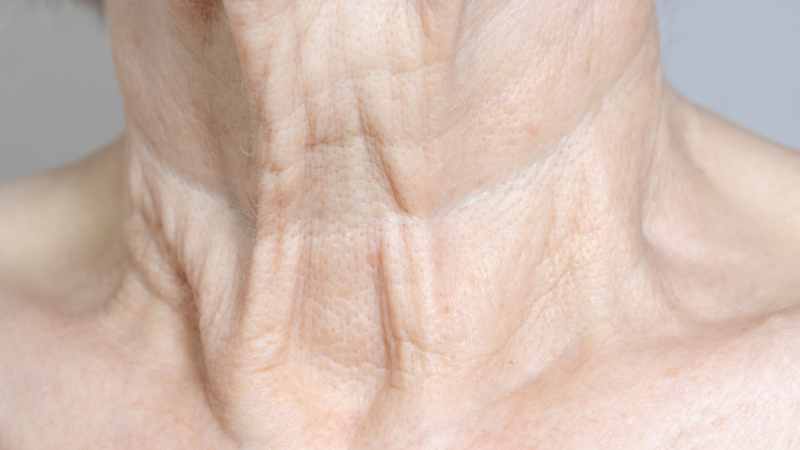
Horizontal neck lines, sometimes called necklace lines, may be linked with natural anatomy, posture, repeated bending, skin quality, collagen change and etched creasing over time.
Crepey neck skin and texture
Crepey neck skin may be related to skin thinning, collagen change, dehydration, sun exposure, menopause-related skin change and natural ageing. It often needs skin-quality planning rather than line filling alone.
Neck laxity and lower-face ageing
Neck laxity may overlap with jawline, chin and lower-face support concerns. Non-surgical treatment has limits, so assessment helps decide whether skin-quality care, contour planning or referral is more appropriate.
The balanced way to think about neck treatment
Neck treatment should not be about promising a lift or erasing every line. A good plan asks whether the concern is skin quality, collagen support, etched creasing, laxity, movement, pigment or sun-related ageing — and whether non-surgical treatment is realistic.
Who is neck lines and neck ageing treatment for?
Neck treatment may suit people concerned by horizontal neck lines, necklace lines, crepey neck skin, texture change, mild laxity, sun-related ageing or lower-face-to-neck ageing — especially where the aim is realistic skin-quality improvement rather than a surgical lift.
People with horizontal neck lines
Necklace lines can become more noticeable with natural anatomy, posture, repeated movement and skin ageing. Treatment planning should consider why the lines are present before recommending treatment.
People with crepey neck skin or texture change
Crepey neck skin may need a skin-quality approach, especially where the concern is texture, thinness, dehydration, sun damage or collagen change rather than a single line.
People with early lower-face and neck ageing
Neck ageing can overlap with jawline and lower-face contour concerns. If jowling or loose skin is the main issue, a lower-face or referral pathway may be more appropriate.
When treatment may not be suitable
Treatment may not be suitable with significant skin laxity, active infection, uncertain diagnosis, certain medical histories, previous complications, unrealistic expectations or where surgery/referral would be more appropriate.
Necklace lines and crepey neck skin — why skin quality matters
Neck lines are often not isolated creases. They may reflect skin quality, sun exposure, posture, movement, collagen change, laxity and the way the lower face and neck support one another.
What we look for
A careful neck assessment helps identify whether treatment should target skin quality, collagen support, etched lines, pigmentation, movement-related bands, lower-face support or whether referral is more appropriate.
Lines may be etched or movement-related
Horizontal lines can relate to anatomy, posture, skin quality and repeated movement, so treatment needs cause-led planning.
Texture can be the main concern
Crepey skin, dryness and fine texture changes may need skin-quality support rather than direct line treatment.
Sun exposure can age the neck
The neck is often exposed but under-protected, so pigmentation, texture and collagen changes may develop gradually.
Non-surgical limits matter
Significant loose skin or neck laxity may not respond sufficiently to non-surgical treatment and may need referral advice.
Why this matters
Treating every neck line as a filler or tightening issue can lead to disappointing results. A better plan may involve improving skin quality, supporting collagen, treating in stages, managing expectations or advising that non-surgical treatment has limited benefit.
How neck lines and neck ageing treatment works
The safest neck plan is usually staged. We first assess the cause of the concern, then discuss whether treatment is appropriate, and only then consider skin-quality support, selected injectables or referral.
1. Consultation and history
We review your concerns, medical history, previous treatment, skin history, sun exposure, expectations and preferred level of change.
2. Neck and lower-face assessment
We assess line depth, texture, laxity, pigment, sun damage, movement, lower-face support and whether non-surgical treatment is realistic.
3. Suitability and safety planning
We discuss suitable options, risks, alternatives, realistic outcomes and whether treatment or referral is the safest route.
4. Treatment, review and maintenance
If treatment is suitable, results are reviewed over time and maintenance is planned conservatively according to response.
Treatment methods we may discuss for neck lines and neck ageing
Neck lines and neck ageing are the reason for assessment. The treatment method depends on whether the issue is etched creasing, skin quality, laxity, collagen change, sun damage, movement or lower-face support.
Skin quality support
Fine texture, crepey skin and mild collagen change may need skin-quality or collagen-supporting treatment rather than line filling alone.
Horizontal line assessment
Selected etched necklace lines may be reviewed for appropriate treatment options, but complete removal is rarely realistic.
Sun damage and texture planning
If photoageing, pigmentation or uneven texture is a major factor, skin-focused treatment and sun protection advice may be discussed.
Alternative pathways
If significant laxity, heavy folds or surgical-level change is the concern, non-surgical treatment may be limited and referral may be more appropriate.
Why a staged plan matters
Neck skin often improves gradually. A staged approach allows response, comfort and realistic improvement to be reviewed before adding further treatment.
Why we avoid “neck lift” promises
Non-surgical treatment may improve selected skin-quality concerns, but it cannot reliably recreate the effect of surgery in patients with significant laxity.
When treatment may need extra caution
Neck treatments may not be suitable if there is active infection, uncertain diagnosis, significant skin laxity, high complication risk, previous treatment complications or expectations that cannot be met safely.
If loose skin, neck folds or lower-face heaviness are the main concerns, non-surgical treatment may have limitations and referral may be more appropriate.
Injectable and skin-quality treatments can carry risks including swelling, bruising, tenderness, infection, lumpiness, asymmetry, pigmentation change, irritation or dissatisfaction.
This is why WHC keeps the process assessment-led rather than selling fixed neck rejuvenation packages without context.
Neck results need honest context
Improvement depends on line depth, skin quality, collagen response, sun damage, laxity, treatment choice, previous treatment history, healing response and aftercare. The goal is usually gradual skin-quality improvement, not a surgical neck-lift result.
Book Free ConsultationBefore & after
Images are shown for illustration and educational purposes only. Individual results vary, and no treatment outcome can be guaranteed. Suitability and expected results are discussed during consultation.
Add approved neck lines or neck ageing before-and-after media here when available. Do not reuse unrelated treatment images.
Why choose a structured neck lines and neck ageing plan?
Neck treatment works best when skin quality, etched lines, sun damage, laxity, lower-face support, safety and realistic expectations are all considered together.
Treat the cause, not just the crease
A visible neck line may be caused by posture, movement, skin quality, collagen change or laxity, so treatment should not be one-size-fits-all.
Avoid overpromising
Non-surgical neck treatment can have limits. Honest assessment helps avoid unrealistic “lifting” expectations.
Plan for maintenance
Results and maintenance depend on skin quality, ageing pattern, treatment choice and individual response.
Softer-looking neck lines
Treatment may help soften selected necklace lines where skin quality and anatomy are suitable.
Improved skin-quality planning
Assessment helps identify whether the priority is texture, collagen support, hydration, pigment or laxity.
Confidence and reassurance
Patients often want guidance on what is realistic, what is safe and when non-surgical neck treatment is limited.
Realistic timing
Skin-quality and collagen-support treatments often need time, review and maintenance planning.
Benefits patients may be looking for
Patients usually want more than a single line treatment. They may want smoother-looking texture, softer necklace lines, better skin quality, improved confidence and a plan that does not overpromise a neck-lift effect.
Results vary. Suitability is always confirmed after consultation and assessment.
Neck lines and neck ageing treatment prices UK
Featured consultation price and full pricing guidance
Neck treatment pricing depends on the route recommended after assessment. Some patients need consultation and skin-quality planning. Others may need staged treatment, selected injectable assessment, collagen support or referral where non-surgical treatment is unlikely to meet expectations. For the most complete and up-to-date information, please check our full pricing page.
Free initial enquiry
A short enquiry call to understand your concern and guide you towards the most appropriate appointment or pathway.
Initial enquiry call
Neck consultation
A focused clinical review of neck lines, necklace lines, crepey skin, texture, laxity, sun damage, safety and possible treatment routes.
Featured starting price
Treatment pricing
Skin-quality support, collagen-supporting options, selected injectables and combination treatments are priced according to the plan recommended.
Full price list
Why prices vary
Neck lines and neck ageing are not treated with one fixed package. A patient with light necklace lines may need a different plan from someone with crepey skin, sun damage, significant laxity or lower-face ageing.
What may affect the final cost?
Check the full pricing page
We are building a central pricing page so patients can check treatment costs in one place. This neck lines and neck ageing page gives the featured starting point, but the full pricing page should be treated as the main source for detailed and updated prices.
Prices may vary depending on assessment, treatment suitability, product choice, treatment combinations and follow-up needs. Please check the full pricing page and confirm costs before proceeding.
Risks, limitations and when neck treatment needs caution
Neck lines and neck ageing treatments can be helpful, but they must be chosen safely. Skin quality, laxity, sun damage, medical history, previous treatment and realistic expectations all matter.
Injectable and skin treatment safety
Selected treatments may be suitable for some patients, but risks can include swelling, bruising, tenderness, infection, irritation, lumpiness, asymmetry, pigmentation change or dissatisfaction.
Laxity and surgical-level concerns
Significant loose skin, heavy folds, marked jowling or surgical-level neck changes may not respond sufficiently to non-surgical treatment and may need referral advice.
Realistic limitations
Treatment may support selected neck lines and skin-quality concerns, but cannot remove every line, stop ageing, replace surgery or guarantee a specific appearance.
Seek advice if you develop worrying symptoms after treatment elsewhere
If you have had neck treatment elsewhere and develop severe pain, spreading redness, fever, significant swelling, skin colour change, blistering, discharge, worsening tenderness or other worrying symptoms, seek medical advice.
Educational only. This page does not replace medical diagnosis, prescribing advice or urgent care. Suitability, risks, alternatives and expected outcomes must be discussed during consultation. Results vary. Not a cure.
Neck Lines and Neck Ageing Treatment FAQs
Clear answers to common questions about neck lines, necklace lines, crepey neck skin, neck laxity, skin quality and realistic non-surgical treatment planning.
Neck lines and neck ageing concerns may include horizontal neck lines, necklace lines, crepey skin, texture change, mild laxity, sun damage, pigmentation and lower-face-to-neck ageing changes.
Neck lines may be linked with natural anatomy, posture, repeated movement, skin quality, collagen change, sun exposure, weight change, genetics and natural ageing.
Necklace lines are horizontal creases across the neck. They may be shallow or etched and may become more noticeable with posture, movement, skin ageing or collagen change.
The aim is usually subtle skin-quality support and softening while preserving natural movement. Outcomes vary and no treatment result can be guaranteed.
Treatment may include skin-quality support, collagen-supporting options, selected injectable assessment, pigmentation or sun-damage advice, maintenance planning or referral where non-surgical treatment is unlikely to be suitable.
Non-surgical treatment may improve selected skin-quality concerns, but it cannot reliably reproduce the effect of surgery. Significant laxity may need referral or a different pathway.
Risks vary by treatment and may include bruising, swelling, tenderness, infection, irritation, pigmentation change, lumpiness, asymmetry, dissatisfaction and the possibility of limited improvement.
Complete removal is rarely realistic. Improvement depends on the cause of the lines, skin quality, laxity, treatment choice, aftercare and individual response.
Crepey neck skin may improve in selected cases with skin-quality or collagen-supporting treatment, but response varies and significant laxity may need another approach.
Duration varies depending on treatment type, skin quality, ageing pattern, lifestyle, sun exposure, aftercare and individual response. Your clinician will discuss expected review and maintenance timing.
Many injectable and advanced aesthetic treatments are not recommended during pregnancy or breastfeeding. Always disclose pregnancy, breastfeeding or fertility plans before starting treatment.
Extra caution may be needed with active infection, previous treatment complications, significant laxity, certain medical histories, unrealistic expectations, uncertain diagnosis or where referral would be safer.
The featured starting price for a neck consultation is from £150. Further treatment costs depend on the areas assessed, treatment suitability, skin-quality treatment, product choice, combination treatment and follow-up needs. Please check the full pricing page for detailed and updated pricing.
Ageing, movement, posture and skin-quality changes continue over time. Maintenance may be discussed, but it should be guided by response, safety and preference rather than pressure to re-treat too soon.
Your next steps
1. Book your free consultation
2. Talk through your neck lines or neck ageing concerns
3. Have a neck and skin-quality assessment if appropriate
4. Receive a personalised treatment plan
5. Review results and maintain safely
If neck lines, necklace lines or crepey neck skin are affecting your confidence or you are unsure which treatment is suitable, you do not need to guess. A structured consultation can help clarify the safest next step.
Clinical references used for this page
This page is educational and should be reviewed clinically before publication. The references below support general cosmetic procedure safety, non-surgical cosmetic procedure regulation context, informed consent and assessment-led treatment planning.
NHS cosmetic procedure guidance
Supports careful research, consultation and risk discussion before cosmetic procedures.
UK non-surgical cosmetic procedure regulation context
Supports safety-first messaging around higher-risk non-surgical cosmetic procedures and qualified-provider standards.
JCCP patient safety context
Supports patient-safe education around injectables, fillers, lasers, peels, regulated practitioners and informed consent.
Clinical aesthetic complication guidance
Supports cautious wording around recognising and escalating possible infection, inflammatory or treatment-related complications.
References
- 1. NHS: Before you have a cosmetic procedure.
- 2. NHS: Choosing who will do your cosmetic procedure.
- 3. Department of Health and Social Care: Non-surgical cosmetic procedure regulation and public safety guidance.
- 4. Professional Standards Authority: Joint Council for Cosmetic Practitioners accredited register information.
- 5. Clinical aesthetic complication guidance on injectable and skin-treatment complication recognition and escalation.
Watch patient stories, case studies and media features
Explore our video gallery to hear real patient experiences, learn more through case-based discussions, and watch selected media coverage featuring our work and approach.
Female Sexual Function Index (FSFI)
Changing the lives of womenVirtual Consultations for Menopause, Sexual Health, Contraception, Diet, Nutrition, and moreUnderstanding the Female Sexual…
Read MoreOzempic (semaglutide) and vaginal health
Clinical report Evidence grading Integration guidelines Women’s health evidence review Ozempic (semaglutide) and vaginal health Comprehensive Clinical Report,…
Read MoreStudy Guide: Understanding Pelvic Health and Sexual Comfort
Dr Farzana Khan qualified as an MD from the University of Copenhagen in 2003. She has worked in…
Read MoreBriefing on Pelvic Pain, Sexual Function, and Treatment Modalities
Dr Farzana Khan qualified as an MD from the University of Copenhagen in 2003. She has worked in…
Read More6 Surprising Truths About Sexual Health We Learned From a Top Women’s Clinic
Dr Farzana Khan qualified as an MD from the University of Copenhagen in 2003. She has worked in…
Read MoreSystemic HRT vs. Local Vaginal Estrogen: A Clear Guide to Your Menopause Treatment Options
Dr Farzana Khan qualified as an MD from the University of Copenhagen in 2003. She has worked in…
Read MoreUnderstanding Painful Sex: A Gentle Guide to Causes and Solutions
Dr Farzana Khan qualified as an MD from the University of Copenhagen in 2003. She has worked in…
Read MoreYour Guide to Vaginal Wellness Treatments: An Empowered Approach to Your Health
Dr Farzana Khan qualified as an MD from the University of Copenhagen in 2003. She has worked in…
Read MoreClinical Practice Guideline: Assessment and Management of Dyspareunia
Dr Farzana Khan qualified as an MD from the University of Copenhagen in 2003. She has worked in…
Read MorePainful Sex in Midlife (Dyspareunia): Causes, Assessment & Evidence-Based Support
Dr Farzana Khan qualified as an MD from the University of Copenhagen in 2003. She has worked in…
Read MoreVaginal Laxity After Birth & Menopause: UK Guide
Dr Farzana Khan qualified as an MD from the University of Copenhagen in 2003. She has worked in…
Read MoreVaginal Dryness & Genitourinary Syndrome of Menopause (GSM): A UK Guide
Dr Farzana Khan qualified as an MD from the University of Copenhagen in 2003. She has worked in…
Read MoreFractional CO2 Laser Therapy in the Management of Pelvic Organ Prolapse: A Critical Review of Evidence, Mechanism, and Regulatory Status
Fractional CO2 Laser Therapy in the Management of Pelvic Organ Prolapse: A Critical Review of Evidence, Mechanism, and…
Read MoreFractional Carbon Dioxide (CO2) Laser Treatment Outcomes for Recurrent Urinary Tract Infection (rUTI)
Fractional Carbon Dioxide (CO2) Laser Treatment Outcomes for Recurrent Urinary Tract Infection (rUTI) Fractional Carbon Dioxide (CO2) Laser…
Read More2025’s Top 5 Non-Surgical Vaginal Rejuvenation Treatments
2025's Top 5 Non-Surgical Vaginal Rejuvenation Treatments The field of non-surgical intimate wellness continues to advance through technological…
Read MoreNourishing Your Pelvic Health: Foods for Vaginal Wellness
Nourishing Your Pelvic Health: Foods for Vaginal Wellness Natural aging and hormonal changes can affect intimate wellness, particularly…
Read MoreThe Mind-Body Connection in Women’s Health
The Mind-Body Connection in Women's Health Recent research continues to reveal the intricate relationship between mental and physical…
Read MoreEmpowering Sexual Health: Top 5 Doctor-Led Treatments
Empowering Sexual Health: Top 5 Doctor-Led Treatments Sexual health plays a vital role in overall wellness, yet many…
Read More5 Effective Treatments for Vaginal Dryness: Your Guide
5 Effective Treatments for Vaginal Dryness: Your Guide Understanding the Condition Vaginal dryness affects women of all ages,…
Read MoreSexual Health: Online Consultation Guide
Sexual Health: Online Consultation Guide Sexual health forms an integral part of our overall wellness, yet many women…
Read MoreVaginal Rejuvenation: Surgical vs Non-Surgical Options
Vaginal Rejuvenation: Surgical vs. Non-Surgical Options Women's bodies naturally change over time, particularly after childbirth and during menopause.…
Read MoreNurturing Your Pelvic Health: A Comprehensive Guide
Nurturing Your Pelvic Health: A Comprehensive Guide Understanding Pelvic Health Your pelvic health plays a vital role in…
Read MoreUrinary Tract Infections (UTIs) Guide – Symptoms, Causes, Diagnosis and Tests, Management and Treatment, Prevention
This article from a UK gynecologist provides a comprehensive overview of vaginal tightening treatments, covering both surgical and…
Read MoreStill not sure where to start?
Browse the wider treatment pages or book a free consultation.
Browse our women’s health FAQs
Find clear answers to common questions about consultations, treatments, symptoms, preparation, aftercare, pricing and what to expect when visiting The Women’s Health Clinic. Use the FAQ bubbles below to continue exploring.
