
Jawline, chin and lower-face contour treatment UK
Jawline, Chin and Lower-Face Contour Treatment UK — Doctor-Led Assessment for Jawline Definition, Chin Balance and Early Jowling
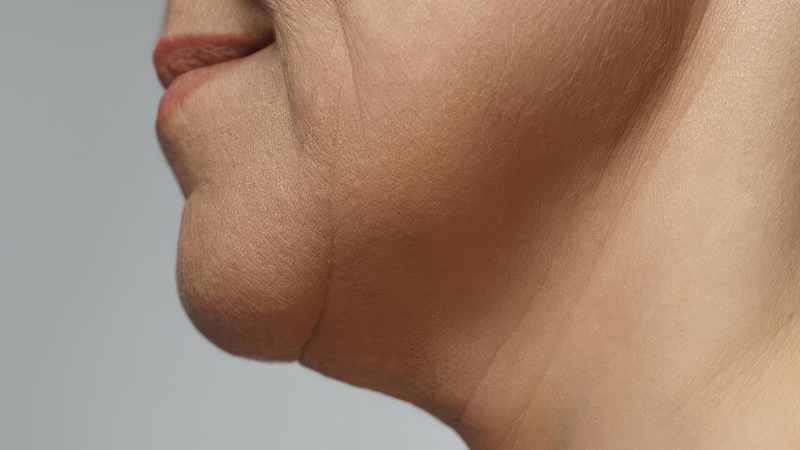
Jawline, chin and lower-face contour concerns can include a weak chin, soft jawline, early jowling, lower-face heaviness, pre-jowl shadowing, facial asymmetry or a loss of definition between the chin, jaw and neck.
At The Women’s Health Clinic, lower-face contour is assessed carefully before treatment is recommended. We look at facial structure, chin projection, jawline support, skin quality, soft-tissue laxity, dental and bite context, previous treatments, asymmetry and whether the concern is mainly volume, contour, skin laxity or anatomy.
The aim is to build a safe, natural-looking plan — which may include dermal filler assessment, skin-quality support, collagen-stimulating options, lower-face contour planning, or referral where non-surgical treatment is unlikely to meet expectations safely.
Common concerns we assess
Lower-face contour concerns are not all caused by the same thing. Chin support, jawline shape, skin laxity and soft-tissue heaviness matter.
What may be discussed
Your plan depends on whether the concern is chin projection, jawline definition, jowling, laxity, skin quality or overall facial proportion.
Educational only. Not a diagnosis or medical advice. Suitability is confirmed after consultation and assessment. Results vary. Not a cure.
At a glance
Jawline and chin contour care starts by understanding whether the concern is caused by skeletal structure, soft-tissue support, skin laxity, jowling, chin projection, asymmetry or a combination.
Contour-led
Chin, jawline, jowls and lower-face balance reviewed together
First step
facial assessment
Approach
subtle and proportional
Focus
definition, support + profile
Timeline
review and maintenance based
Especially important
Filler safety, vascular anatomy, asymmetry, skin laxity and previous treatment history affect suitability
Natural definition
The aim is usually subtle structure and balance, not making the lower face look sharp, heavy or overfilled.
Realistic improvement
Jowling, laxity and structural concerns may improve visually, but non-surgical treatment has limitations.
Clinical appropriateness first
We only consider treatment where there is a clear medical, functional or psychological wellbeing context and where treatment is clinically appropriate after assessment.
We do not provide trend-led or appearance-only treatment where expectations are unrealistic, suitability is unclear, or a safer alternative pathway is more appropriate.
What is jawline, chin and lower-face contour treatment?
Jawline, chin and lower-face contour treatment is an assessment-led approach to improving the appearance of lower-face structure, definition and balance where suitable.
It may involve reviewing chin projection, jawline angle, pre-jowl shadowing, early jowling, soft-tissue support, skin quality and how the lower face balances with the lips, cheeks, neck and overall profile.
Chin balance
A weak or recessed-looking chin can affect the balance of the lower face and profile. Assessment considers projection, symmetry, bite context and whether non-surgical support is appropriate.
Jawline definition
A soft jawline may be influenced by anatomy, skin laxity, volume support, jowling, weight change or ageing. Treatment planning should avoid creating a heavy or exaggerated look.
Jowls and pre-jowl shadowing
Early jowling and pre-jowl shadowing can overlap with lower-face folds, jawline laxity and chin support. Assessment helps decide whether non-surgical treatment is likely to be worthwhile.
The balanced way to think about lower-face contour treatment
Lower-face contour treatment should not be about chasing a sharp trend or adding volume without context. A good plan asks why the jawline or chin looks soft, whether jowling is mainly laxity or shadowing, and how to avoid a heavy or overfilled result.
Who is jawline, chin and lower-face contour treatment for?
Jawline, chin and lower-face contour treatment may suit people concerned by a soft jawline, weak chin, early jowling, lower-face heaviness, pre-jowl shadowing or lack of lower-face definition — especially where the aim is subtle balance rather than an obvious change.
People with a weak or recessed-looking chin
Chin projection can influence the side profile and lower-face balance. Treatment planning should consider anatomy, bite context, symmetry and whether non-surgical support is appropriate.
People with a soft or less defined jawline
A soft jawline may be linked with anatomy, ageing, soft-tissue support, skin laxity or early jowling. The plan may involve contour support, skin quality or a staged approach.
People with early jowling or pre-jowl shadowing
Early jowling can overlap with lower-face folds and jawline support. If laxity is advanced, non-surgical treatment may have limited benefit and referral may be more appropriate.
When treatment may not be suitable
Treatment may not be suitable with active infection, certain medical histories, high vascular risk, unrealistic expectations, previous filler complications, significant laxity or where surgery/referral would be more appropriate.
Jawline, chin and jowls — why facial balance matters
Lower-face contour concerns are often connected. A soft jawline may be influenced by chin support, jowling, skin quality, soft-tissue laxity, facial proportions and previous treatment history.
What we look for
A careful facial assessment helps identify whether contour should be treated directly, supported indirectly, improved through skin quality, or referred to another pathway.
Chin support affects the profile
A chin that appears under-supported can make the lower face look shorter, softer or less balanced from the side.
Jawline definition needs restraint
The lower face can look heavy if volume is added without considering anatomy, soft-tissue laxity and natural proportions.
Jowls may be laxity-led
If jowling is mainly caused by skin laxity or tissue descent, filler alone may have limited benefit.
Safety matters
Injectable treatment in the chin and jawline needs anatomical knowledge, conservative planning and clear complication advice.
Why this matters
Adding volume to the jawline or chin can sometimes improve balance, but in other patients it may create heaviness or an unnatural result. A better plan may involve small structural changes, skin-quality support, collagen support, review over time or choosing not to treat if the expected benefit is limited.
How jawline, chin and lower-face contour treatment works
The best contour plan is usually staged. We first assess the cause of the concern, then discuss suitable options, then review whether subtle structure, skin quality or collagen support is appropriate.
1. Consultation and history
We review your concerns, medical history, previous filler or injectable treatments, dental context, asymmetry and expectations.
2. Facial structure assessment
We assess chin projection, jawline angle, jowling, skin quality, lower-face support, neck transition and whether treatment should be direct or indirect.
3. Suitability and safety planning
We discuss suitable options, risks, alternatives, complication advice and whether filler, skin-quality treatment or another route is safest.
4. Treatment, review and maintenance
Treatment is reviewed over time and adjusted according to response, comfort, facial balance and your preference for subtle change.
Treatment methods we may discuss for jawline, chin and lower-face contour
Lower-face contour is the concern. The treatment method depends on whether the issue is chin projection, jawline support, jowling, skin laxity, soft-tissue heaviness or another factor. Some patients need subtle filler support. Others may need skin-quality treatment, collagen support or a different pathway.
Chin filler assessment
Where suitable, hyaluronic acid dermal filler may be discussed for selected chin projection, contour or profile support.
Jawline filler assessment
Selected patients may be suitable for jawline support, but the lower face must be assessed carefully to avoid heaviness.
Skin quality and collagen support
If laxity, creasing or texture is contributing to lower-face softness, skin-quality or collagen-supporting treatment may be discussed.
Alternative pathways
If laxity, marked jowling or skeletal structure is the main issue, non-surgical treatment may have limitations and referral may be more appropriate.
Why a conservative first treatment matters
Overfilling the chin or jawline can create heaviness, asymmetry or an unnatural contour. A cautious approach allows response and facial balance to be reviewed before adding more.
Why we avoid one-size-fits-all packages
Weak chin, weak jawline, jowls and lower-face heaviness may look similar to patients but can need very different planning.
When treatment may need extra caution
Jawline, chin and lower-face injectable treatments may not be suitable if there is active infection, significant swelling, uncertain diagnosis, previous severe filler reaction, high complication risk or expectations that cannot be met safely.
If there is marked skin laxity, complex jowling or significant structural change, a non-surgical treatment may have limitations and referral may be more appropriate.
Dermal filler treatments can carry risks including swelling, bruising, infection, lumpiness, migration, asymmetry and rare but serious vascular complications.
This is why WHC keeps the process assessment-led rather than selling fixed contour packages without context.
Lower-face contour results need honest context
Improvement depends on anatomy, chin projection, jawline shape, skin quality, jowling, treatment choice, previous filler history, healing response and aftercare. The goal is usually subtle balance and definition, not a completely different face.
Book Free ConsultationBefore & after
Images are shown for illustration and educational purposes only. Individual results vary, and no treatment outcome can be guaranteed. Suitability and expected results are discussed during consultation.
Add approved jawline, chin or lower-face contour before-and-after media here when available. Do not reuse unrelated treatment images.
Why choose a structured lower-face contour plan?
Jawline and chin treatment works best when facial structure, skin quality, jowling, filler safety and realistic expectations are all considered together.
Treat the cause, not just the outline
A soft jawline may be caused by chin support, laxity, jowling, skin quality or natural anatomy, so direct filling is not always the best first step.
Avoid heaviness
The lower face can look heavy if treated too aggressively. Subtle planning is important.
Plan for maintenance
Results and maintenance depend on anatomy, treatment choice, ageing pattern and individual response.
Softer lower-face definition
Treatment may help improve selected jawline, chin or pre-jowl contour concerns where suitable.
Improved profile balance
A careful plan may support chin balance and the transition between the lower face and neck.
Confidence and reassurance
Patients often want guidance on what is realistic, what is safe and how to avoid an overfilled or exaggerated lower face.
Realistic timing
Treatment response, swelling and settling vary. Review helps avoid unnecessary additional treatment too soon.
Benefits patients may be looking for
Patients usually want more than a sharper outline. They want better lower-face balance, a softer profile, clearer guidance, natural expression and a plan that does not make the face look heavy.
Results vary. Suitability is always confirmed after consultation and assessment.
Jawline, chin and lower-face contour treatment prices UK
Featured consultation price and full pricing guidance
Lower-face contour treatment pricing depends on the route recommended after assessment. Some patients need consultation and a conservative filler review. Others may need skin-quality treatment, collagen support, combination planning or a different pathway for jowling and laxity concerns. For the most complete and up-to-date information, please check our full pricing page.
Free initial enquiry
A short enquiry call to understand your concern and guide you towards the most appropriate appointment or pathway.
Initial enquiry call
Contour consultation
A focused clinical review of chin projection, jawline definition, jowling, lower-face support, skin quality, filler safety and possible treatment routes.
Featured starting price
Treatment pricing
Dermal filler, skin-quality support, collagen-stimulating options and combination treatments are priced according to the plan recommended.
Full price list
Why prices vary
Lower-face contour is not treated with one fixed package. A patient with mild chin under-support may need a different plan from someone with jawline softness, early jowling, skin laxity or previous filler.
What may affect the final cost?
Check the full pricing page
We are building a central pricing page so patients can check treatment costs in one place. This jawline, chin and lower-face contour page gives the featured starting point, but the full pricing page should be treated as the main source for detailed and updated prices.
Prices may vary depending on assessment, treatment suitability, product choice, treatment combinations and follow-up needs. Please check the full pricing page and confirm costs before proceeding.
Risks, limitations and when lower-face contour treatment needs caution
Jawline, chin and lower-face injectable and skin-quality treatments can be helpful, but they must be chosen safely. Anatomy, vascular risk, skin laxity, previous filler, asymmetry and realistic expectations all matter.
Filler safety
Dermal filler may be suitable for selected patients, but risks can include swelling, bruising, infection, lumps, asymmetry, migration and rare vascular complications.
Previous filler and anatomy
Previous filler, filler migration, asymmetry, dental changes, facial surgery or complex anatomy can affect whether treatment is suitable and how cautious the plan should be.
Realistic limitations
Treatment may support selected contour concerns, but cannot stop ageing, replace surgery, correct every structural concern or guarantee a specific appearance.
Seek urgent advice if you develop worrying symptoms after filler treatment elsewhere
If you have had dermal filler elsewhere and develop severe pain, skin colour change, blanching, mottling, worsening swelling, visual symptoms, spreading redness, fever or other worrying symptoms, seek urgent medical advice.
Educational only. This page does not replace medical diagnosis, prescribing advice or urgent care. Suitability, risks, alternatives and expected outcomes must be discussed during consultation. Results vary. Not a cure.
Jawline, Chin and Lower-Face Contour Treatment FAQs
Clear answers to common questions about weak chin, weak jawline, jowls, lower-face contour and natural-looking treatment planning.
It is an assessment-led approach to lower-face balance and definition. It may involve reviewing chin projection, jawline support, early jowling, skin quality, facial proportions and whether non-surgical treatment is suitable.
A weak or recessed-looking chin may be related to natural facial anatomy, bone structure, dental or bite context, ageing changes or the way the chin balances with the lips, jawline and neck.
A soft jawline may be influenced by anatomy, skin laxity, soft-tissue heaviness, jowling, weight change, ageing, chin support or previous treatment history.
The aim is usually subtle support and balance while preserving natural expression. Overfilling is avoided, but individual response varies and outcomes cannot be guaranteed.
Treatment may include dermal filler assessment, skin-quality treatments, collagen-supporting options, lower-face contour planning or combination treatment where suitable. The right option depends on the cause of the concern and safety factors.
No. Some contour concerns are better approached through skin-quality treatment, collagen support, referral or no treatment. Adding volume without understanding the cause can sometimes create heaviness or an unnatural result.
Risks may include bruising, swelling, tenderness, infection, lumps, asymmetry, migration, dissatisfaction and rare but serious vascular complications. These risks are discussed before treatment.
Some lower-face support treatments may improve the appearance of early shadowing or contour loss, but established jowling or significant laxity may need a different treatment pathway or referral.
A cautious plan is designed to avoid an exaggerated or heavy result. The aim is usually natural balance, but this depends on anatomy, treatment choice and individual response.
Duration varies depending on treatment type, product, anatomy, metabolism, movement, lifestyle and individual response. Your clinician will discuss expected timing and review points.
Many injectable aesthetic treatments are not recommended during pregnancy or breastfeeding. Always disclose pregnancy, breastfeeding or fertility plans before starting treatment.
Extra caution may be needed with previous filler complications, active infection, significant asymmetry, complex dental or surgical history, high vascular risk, heavy lower-face laxity or unrealistic expectations.
The featured starting price for a lower-face contour consultation is from £150. Further treatment costs depend on the areas assessed, filler requirements, skin-quality treatment, product choice, combination treatment and follow-up needs. Please check the full pricing page for detailed and updated pricing.
Ageing, movement, skin-quality changes and soft-tissue support continue over time. Maintenance may be discussed, but it should be guided by response, safety and preference rather than pressure to re-treat too soon.
Your next steps
1. Book your free consultation
2. Talk through your lower-face contour concerns
3. Have a facial structure assessment if appropriate
4. Receive a personalised treatment plan
5. Review results and maintain safely
If jawline, chin or lower-face contour changes are affecting your confidence or you are unsure which treatment is suitable, you do not need to guess. A structured consultation can help clarify the safest next step.
Clinical references used for this page
This page is educational and should be reviewed clinically before publication. The references below support general cosmetic procedure safety, dermal filler risk framing, informed consent and assessment-led treatment planning.
NHS cosmetic procedure guidance
Supports careful research, consultation and risk discussion before cosmetic procedures.
UK non-surgical cosmetic procedure regulation context
Supports safety-first messaging around filler complications, including swelling, infection, migration and vascular occlusion.
JCCP dermal filler patient information
Supports patient-safe education around dermal filler categories, temporary fillers and informed consent.
Aesthetic complication guidance
Supports caution around recognising and escalating possible vascular or infection-related complications.
References
- 1. NHS: Before you have a cosmetic procedure.
- 2. Department of Health and Social Care: Licensing of non-surgical cosmetic procedures consultation response.
- 3. Joint Council for Cosmetic Practitioners: Dermal fillers patient information and patient safety guidance.
- 4. Clinical aesthetic complication guidance on hyaluronic acid filler vascular occlusion recognition and management.
Watch patient stories, case studies and media features
Explore our video gallery to hear real patient experiences, learn more through case-based discussions, and watch selected media coverage featuring our work and approach.
Hairdresser Network
It started in the chair… If you've been behind the chair a while, you'll know this moment. A…
Read MoreFractional CO2 Laser Therapy in the Management of Pelvic Organ Prolapse: A Critical Review of Evidence, Mechanism, and Regulatory Status
Fractional CO2 Laser Therapy in the Management of Pelvic Organ Prolapse: A Critical Review of Evidence, Mechanism, and…
Read MoreFractional Carbon Dioxide (CO2) Laser Treatment Outcomes for Recurrent Urinary Tract Infection (rUTI)
Fractional Carbon Dioxide (CO2) Laser Treatment Outcomes for Recurrent Urinary Tract Infection (rUTI) Fractional Carbon Dioxide (CO2) Laser…
Read MoreTermination
The Women’s Health Clinic Ltd does not provide unplanned pregnancy treatments. Please find below some useful information to help you…
Read MoreWorld Menopause Day 2024
World Menopause Day 2024Menopause. A small word for something that entails so much. The ‘Davina effect’ if you…
Read MoreTestosterone and the Menopause
TestosteroneTestosterone. For most of us, testosterone is a "male hormone" and often neglected in the field of women's…
Read MoreRamadan Mubarak
Ramadan Mubarak!The holy month of Ramadan started last week and we wish Muslims worldwide a lovely Ramadan Mubarak!…
Read MoreRCOG Survey on Pelvic Floor
Pelvic Floor Health SurveyThe pelvic floor is a group of muscles and ligaments that span the area below…
Read MoreWorld Sleep Day 2023
#WorldSleepDay March 17th marks World Sleep Day. This year’s theme is ‘Sleep is Essential for Health’. Eating well, exercising…
Read MoreInternational Women’s Day 2023
Happy International Women’s Day 2023! This year is themed towards Embracing Equity. But do you know the difference…
Read MoreWhat does it mean to work at a nurse and female led clinic?
IntroductionIn this article, we spoke to one of our patient nurse advisors, Sarah Bienenstock, who recently joined us…
Read MoreWorld Menopause Day 2022
IntroductionMenopause. A small word for something that entails so much. The ‘Davina effect’ if you will, has caused…
Read MoreShowbiz Vaginal Rejuvenation
Celebrity Vagina – Why is it always in the News? Its 2022 and the “Vagina” is still a…
Read MoreTrichomonas vaginalis
STI Trichomoniasis Silvery Blue - Preserving you with technologySilvery BlueHow can we help with Trichomoniasis?At Silvery.Blue we have…
Read MoreChlamydia
STI ChlamydiaSilvery Blue - Preserving you with technologySilvery BlueHow can we help with Chlamydia?At Silvery.Blue we have a…
Read MoreGonorrhoea
STI Gonorrhoea Silvery Blue - Preserving you with technologySilvery BlueHow can we help with Gonorrhoea?At Silvery.Blue we have…
Read MoreSyphilis
STI Syphilis Silvery Blue - Preserving you with technologySilvery BlueHow can we help with Syphilis?At Silvery.Blue we have…
Read MoreHIV
STI HIV Silvery Blue - Preserving you with technologySilvery BlueHow can we help with HIV?At Silvery.Blue we have…
Read MoreAcne
Symptoms AcneSilvery Blue - Preserving you with technologySilvery BlueHow can we help with Acne?At Silvery blue we have…
Read MorePELVIC HEALTH WITH ALY DILKS
Guess who’s appeared on Liz Earle’s podcast! We’re so honoured to announce that our very own Nurse and…
Read MoreSisters are doing it for themselves
Sisters are doing it for themselves #BalanceforBetter #IWD2019 Since March 2017, 3000 women have undergone vaginal…
Read MoreThe Women’s Health Clinic (TWHC) is joining in on Jo’s Cervical Cancer Trust awareness week
The Women’s Health Clinic (TWHC) is joining in on Jo’s Cervical Cancer Trust awareness week Its Cervical Cancer…
Read MoreLyndsey’s Journey: 1 Year On
Mum-of-five’s story with our Nu-V treatment If you have a 15 minute Nu-V treatment (that helps with leakage,…
Read MoreOnline petition
Women are constantly changing. Through puberty to motherhood and on to menopause, our education and medical profession offer…
Read MoreSara Carson
My name is Sara, I’m 50, and after complications from cancer and the menopause I’d like to share…
Read MoreLyndsey Hiatt
My name is Lyndsey Hiatt. I’m 28-years old, a mother of five and a professional dog groomer. Life…
Read MoreStill not sure where to start?
Browse the wider treatment pages or book a free consultation.
Browse our women’s health FAQs
Find clear answers to common questions about consultations, treatments, symptoms, preparation, aftercare, pricing and what to expect when visiting The Women’s Health Clinic. Use the FAQ bubbles below to continue exploring.
