
Fine lines and wrinkles treatment UK
Fine Lines and Wrinkles Treatment UK — Doctor-Led Care for Skin Ageing, Texture and Skin Quality
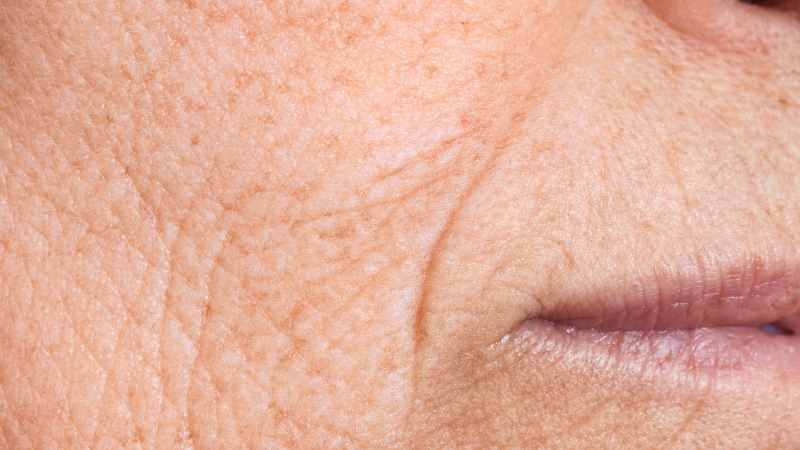
Fine lines and wrinkles can appear gradually around the eyes, forehead, mouth, cheeks, neck or décolletage. For some people, the concern is early creasing. For others, it is a mixture of lines, skin thinning, dullness, laxity, dryness, sun damage and uneven texture.
At The Women’s Health Clinic, we assess skin ageing carefully before recommending treatment. We look at expression lines, static lines, skin quality, collagen loss, pigmentation, sun exposure, menopause or hormonal context, skincare tolerance and previous aesthetic treatments.
The aim is to build a realistic, staged skin plan — from skincare and prevention, through to treatments such as peels, microneedling, skin boosters, polynucleotides, laser or other medical-aesthetic options where suitable.
Common ageing-skin concerns we assess
Skin ageing is usually multi-layered, so the visible concern is not always caused by one issue.
What may be discussed
Your plan may combine prevention, skin repair and in-clinic treatment options.
Educational only. Not a diagnosis or medical advice. Suitability is confirmed after consultation and assessment. Results vary. Not a cure.
At a glance
Fine-line treatment starts by separating expression lines, static wrinkles, skin quality, dryness, pigmentation, laxity and sun-related change. The safest route depends on what is actually driving the concern.
Skin-quality led
Lines, texture, hydration and collagen support reviewed together
First step
skin assessment
Approach
usually staged
Focus
texture + collagen
Timeline
weeks to months
Especially relevant for women
Perimenopause, menopause, dryness and collagen changes may affect treatment choice
Method-matched care
Expression lines, collagen loss, pigmentation and crepey texture usually need different treatment routes.
Natural-looking goals
The aim is fresher, healthier-looking skin — not an over-treated or artificial result.
Clinical appropriateness first
We only consider treatment where there is a clear medical, functional or psychological wellbeing context and where treatment is clinically appropriate after assessment.
We do not provide trend-led or appearance-only treatment where expectations are unrealistic, suitability is unclear, or a safer alternative pathway is more appropriate.
What causes fine lines and wrinkles?
Fine lines and wrinkles can develop through a combination of natural skin ageing, repeated facial movement, collagen and elastin changes, sun exposure, smoking, dryness, inflammation, stress, genetics and hormonal changes.
The first clinical distinction is whether the concern is mainly dynamic expression lines, static wrinkles, skin-surface texture, dehydration, pigmentation, volume change, laxity or sun-related damage. Each may need a different plan.
Dynamic expression lines
Some lines appear mainly when the face moves — for example when smiling, frowning or raising the brows. These are different from deeper lines that remain at rest.
Static wrinkles and texture
Static lines are visible even when the face is relaxed. They may be linked with collagen change, sun damage, skin thinning, dehydration or long-standing expression patterns.
Skin quality and ageing skin
Many patients are not only concerned about wrinkles. They want the skin to look fresher, smoother, more hydrated and less tired while keeping natural expression.
The balanced way to think about wrinkle treatment
Good fine-line treatment is rarely about chasing every line. It is usually about protecting the skin, improving texture and hydration, supporting collagen, softening selected lines and keeping results natural and appropriate for your face.
Who is fine lines and wrinkles treatment for?
Treatment may suit people who want a realistic plan for early lines, static wrinkles, crepey texture, skin ageing, dullness, dryness, sun-related change or loss of skin quality.
People noticing early fine lines
Early lines may appear around the eyes, mouth, forehead or cheeks. A prevention-led plan can help protect the skin and reduce unnecessary overtreatment.
Women with perimenopause or menopause skin changes
Some women notice more dryness, sensitivity, dullness or texture change during perimenopause and menopause. Skin plans may need to be gentler and more supportive.
People with sun-related ageing or uneven texture
Sun exposure can contribute to wrinkles, pigmentation, roughness and uneven tone. Treatment planning should include prevention and medical review of suspicious lesions where needed.
When ageing skin needs medical review
New, changing, bleeding, crusting or irregular skin lesions should be medically assessed before aesthetic treatment is considered.
Fine lines vs wrinkles vs skin quality — why the difference matters
Many people ask for “wrinkle treatment,” but the visible concern may be linked to movement, collagen loss, dehydration, sun damage, pigmentation, volume change or skin laxity. Matching the method to the cause is important.
What we look for
A careful skin assessment helps identify whether the priority is prevention, hydration, collagen support, texture, pigment control, expression-line softening or referral for medical review.
Expression-line pattern
Lines that appear mainly during movement need a different conversation from lines caused mainly by texture, thinning or sun exposure.
Collagen and texture
Texture-led concerns may respond better to staged collagen-supporting plans such as microneedling, peels, skin boosters or device review where suitable.
Sun and pigment history
Sun exposure can affect wrinkles, texture and pigmentation. Prevention and medical lesion checks may be part of safe treatment planning.
Natural result planning
A good plan protects expression, avoids over-treatment and focuses on realistic improvement rather than complete line removal.
Why this matters
One treatment cannot correct every type of ageing change. A plan for crow’s feet is not necessarily the same as a plan for crepey neck texture, pigment change, dullness, volume loss or skin laxity.
How fine lines and wrinkles treatment works
The safest plan is usually staged. We first assess the skin and the type of lines, then build prevention, treatment and maintenance around your skin goals.
1. Skin consultation
We review skin history, previous treatments, medication, sun exposure, skincare, sensitivity, menopause context and your preferred result style.
2. Line and skin-quality mapping
We separate expression lines, static wrinkles, texture, dehydration, pigmentation and laxity so the method matches the concern.
3. Treatment plan
Your plan may include skincare, peels, microneedling, skin boosters, polynucleotides, laser or other options where suitable.
4. Review and maintenance
Skin rejuvenation is gradual. We review response, adjust safely and plan maintenance rather than relying on one-off treatment.
Treatment methods we may use for fine lines, wrinkles and skin quality
Fine lines and wrinkles are the concern. The treatment method depends on whether the main issue is movement, texture, collagen loss, hydration, sun damage, pigmentation, laxity or a combination.
Prevention and skincare
Daily SPF, skin-barrier support and carefully selected actives may help protect the skin and support longer-term skin quality.
Microneedling / RF microneedling
May help selected texture and fine-line concerns by supporting collagen remodelling over a course of treatments.
Peels, boosters and regenerative support
Selected peels, skin boosters or polynucleotides may be considered for dullness, hydration, fine texture and skin quality.
Laser and medical-aesthetic review
Laser, light-based or injectable options may be discussed where suitable, depending on skin type, risk profile and treatment goals.
Why a staged pathway matters
Skin ageing is gradual. Treatment often works best when prevention, repair, collagen support and maintenance are planned together rather than choosing a single quick fix.
Why we avoid one-size-fits-all packages
Forehead lines, eye lines, crepey neck skin, pigmentation and loss of elasticity are not treated in exactly the same way.
When referral may be needed
Some skin changes should not be treated as cosmetic ageing. New, changing, bleeding, crusting or irregular lesions need medical review before aesthetic treatment.
If we are uncertain about a lesion or skin diagnosis, medical assessment should come before cosmetic-style treatment.
For women with perimenopause or menopause-related dryness, sensitivity, flushing or skin change, wrinkle treatment may need to sit alongside wider women’s health assessment.
This is where WHC’s broader women’s health background can be especially useful.
Wrinkle and skin-quality results need honest context
Fine-line improvement depends on the treatment method, skin quality, sun exposure, smoking history, age, hormones, consistency, aftercare and maintenance. The goal is usually natural-looking improvement, not guaranteed complete line removal.
Book Free ConsultationBefore & after
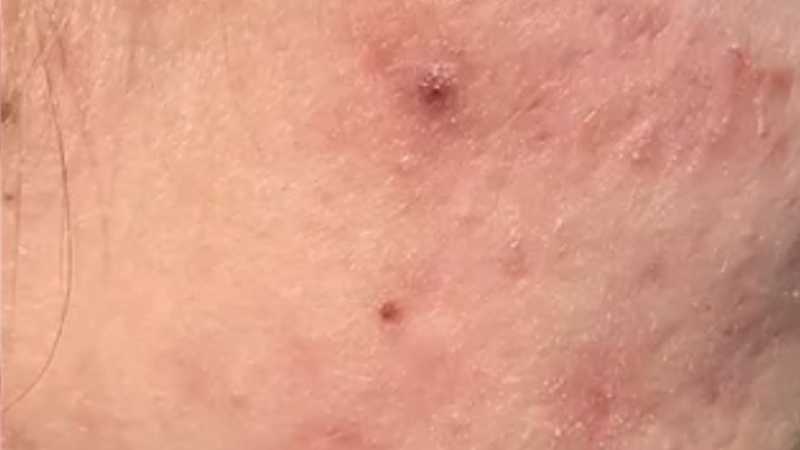
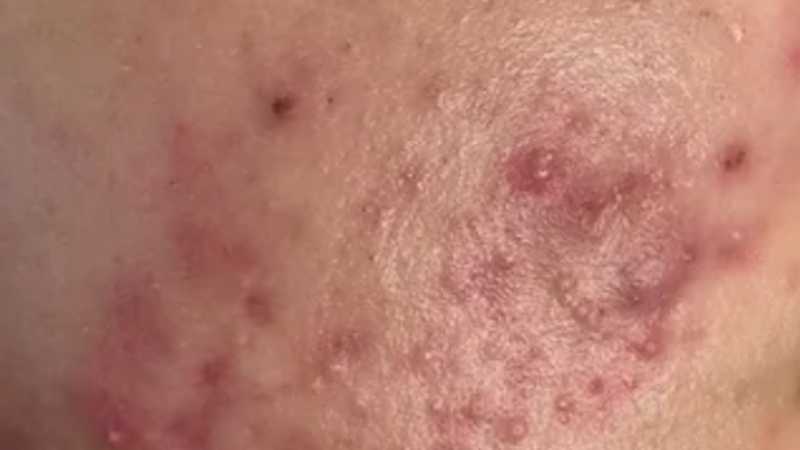
Images are shown for illustration and educational purposes only. Individual results vary, and no treatment outcome can be guaranteed. Suitability and expected results are discussed during consultation.
Why choose a structured fine-line and wrinkle plan?
Fine-line treatment works best when expression lines, skin quality, sun damage, collagen support, hydration, pigmentation and maintenance are considered together.
Protect before treating
Daily sun protection and barrier support help reduce ongoing skin damage and support treatment results.
Match method to cause
Movement lines, texture, dehydration and sun damage may need different treatment routes.
Plan for maintenance
Skin quality changes gradually, so maintenance and review are usually part of a realistic plan.
Smoother-looking texture
The aim is to soften the appearance of fine texture and help skin look fresher and more even.
Improved hydration and glow
Skin boosters, regenerative support and barrier-aware skincare may help selected patients who feel their skin looks tired or dehydrated.
Confidence and wellbeing
Skin ageing can affect confidence. A respectful plan can help you understand realistic options without pressure.
Realistic timing
Collagen and skin-quality treatments often take time. Results may build gradually and need maintenance.
Benefits patients may be looking for
Patients usually want more than “anti-ageing.” They want clearer guidance, healthier-looking skin, softened lines, improved texture, less dullness and a plan that still looks like them.
Results vary. Suitability is always confirmed after consultation and assessment.
Fine lines and wrinkles treatment prices UK
Assessment-led pricing and full pricing guidance
Fine lines and wrinkles pricing depends on the route recommended after assessment. Some patients need skincare and prevention only. Others may need peels, microneedling, skin boosters, polynucleotides, laser review or other medical-aesthetic options. For the most complete and up-to-date information, please check our full pricing page.
Free initial enquiry
A short enquiry call to understand your concern and guide you towards the most appropriate appointment or pathway.
Initial enquiry call
Fine-line consultation
A focused clinical review of lines, skin quality, texture, sun exposure, previous treatments and possible treatment methods.
Confirmed before booking
Treatment pricing
Peels, microneedling, skin boosters, polynucleotides, laser review and other procedures are priced according to the plan recommended.
Full price list
Why prices vary
Fine-line and wrinkle treatment is not one fixed package. A patient with early eye lines may need a different plan from someone with crepey texture, sun damage, volume change, skin laxity or menopausal skin dryness.
What may affect the final cost?
Check the full pricing page
We are building a central pricing page so patients can check treatment costs in one place. This fine-lines page explains the pathway, but the full pricing page should be treated as the main source for detailed and updated prices.
Prices may vary depending on assessment, treatment suitability, treatment combinations and follow-up needs. Please check the full pricing page and confirm costs before proceeding.
Risks, limitations and when fine lines need medical review
Fine-line and wrinkle treatments can be helpful, but they must be chosen safely. Skin type, sun damage, medication history, pregnancy, previous treatments, pigment risk and realistic expectations all matter.
Treatment suitability
Some treatments may not be suitable during pregnancy, breastfeeding, active skin infection, certain medical conditions or with particular medications.
Skin tone and pigmentation risk
Peels, lasers and energy-based treatments must be selected carefully where pigmentation risk is higher. Preparation and aftercare matter.
Realistic limitations
Fine-line treatment may soften lines and improve skin quality, but it cannot stop ageing or guarantee complete wrinkle removal.
Seek medical review if a skin change is new, changing or symptomatic
Cosmetic ageing treatment should not be used to treat uncertain lesions, changing moles, bleeding areas, crusting skin changes or symptoms that need medical assessment.
Educational only. This page does not replace medical diagnosis, prescribing advice or urgent care. Suitability, risks, alternatives and expected outcomes must be discussed during consultation. Results vary. Not a cure.
Fine Lines and Wrinkles Treatment FAQs
Clear answers to common questions about wrinkles, fine lines, skin boosters, microneedling, peels, laser, skin ageing and natural-looking treatment planning.
Fine lines and wrinkles may be caused by natural skin ageing, repeated facial movement, collagen and elastin changes, sun exposure, smoking, dryness, genetics, inflammation and hormonal changes.
Fine lines are usually shallower and may be linked with dehydration, early collagen change or movement. Wrinkles are often deeper or more established. Many people have a mixture of both.
Dynamic wrinkles appear mainly when the face moves, such as smiling or frowning. Static wrinkles are visible even when the face is relaxed and may be linked with longer-term collagen, texture or sun-related change.
Complete wrinkle removal is not a realistic or safe promise. Treatment aims to soften selected lines, improve skin quality and support a fresher appearance. Results vary.
Treatment may include SPF and skincare planning, prescription-led skincare review, chemical peels, microneedling, skin boosters, polynucleotides, laser review or other medical-aesthetic options where suitable.
Microneedling may help selected fine-line and texture concerns by supporting collagen remodelling. It is usually course-based and may not be the best option for every type of wrinkle.
Skin boosters may be discussed for selected patients with dryness, crepey texture or reduced skin quality. They are not the same as traditional fillers and suitability depends on assessment.
Polynucleotides may be considered as a regenerative skin-quality treatment for selected patients. They are usually discussed in relation to hydration, texture, under-eye quality or overall skin support, depending on suitability.
Chemical peels may help selected texture, dullness and superficial fine-line concerns, but peel strength, skin tone, sensitivity, preparation and aftercare are important.
Laser or light-based treatment may be considered for selected texture, pigmentation and skin-quality concerns. Suitability depends on skin type, pigment risk, downtime tolerance and treatment goals.
This depends on the method. Some treatments have early visible effects, while collagen-supporting and skin-quality treatments often build gradually over weeks to months.
Many treatments can be used safely with careful planning, but pigmentation risk must be considered. Treatment choice, preparation, settings, aftercare and sun protection are especially important.
The cost depends on the treatment route recommended after assessment, such as skincare review, peels, microneedling, skin boosters, polynucleotides, laser review or other options. Please check the full pricing page for detailed and updated pricing.
Skin ageing continues over time. Lines may soften with treatment, but maintenance, sun protection and ongoing skincare are usually needed to support longer-term results.
Your next steps
1. Book your free consultation
2. Talk through your skin ageing concerns
3. Have a skin-quality assessment if appropriate
4. Receive a personalised treatment plan
5. Review progress and maintain results safely
If fine lines, wrinkles or skin ageing are affecting your confidence, you do not need to guess your way through products or procedures. A structured consultation can help clarify the safest next step.
Clinical references used for this page
This page is educational and should be reviewed clinically before publication. The references below support general skin ageing education, fine-line and wrinkle classification, sun protection, retinoid context, skin needling and laser/light-based rejuvenation.
DermNet facial lines and wrinkles
Used for general dermatology context on facial lines, wrinkle severity and skin ageing patterns.
British Association of Dermatologists
Patient information on sun protection and the importance of UVA and UVB protection.
DermNet facial rejuvenation and skin needling
Used for general context on anti-ageing skincare, skin needling, collagen induction and facial rejuvenation methods.
DermNet lasers in dermatology
Used for general context on laser and light technologies in skin resurfacing and rejuvenation.
References
- 1. DermNet: Facial lines and wrinkles; skin ageing; facial rejuvenation.
- 2. British Association of Dermatologists: Sun protection patient information.
- 3. National Institute on Aging: Skin care and aging patient information.
- 4. DermNet: Skin needling and lasers in dermatology.
Watch patient stories, case studies and media features
Explore our video gallery to hear real patient experiences, learn more through case-based discussions, and watch selected media coverage featuring our work and approach.
Katy Pitt Allen
Katy is a registered nurse in both the UK and Spain. She is an experienced gynaecological nurse and is…
Read MoreDr Cristina Signes
Cristina is a popular local gynaecologist who has been running clinics in Moraira and Javea for 4 years as…
Read MoreKaren Black
Karen Black is a Registered General Nurse and a Nurse Prescriber. She has been working in general practice…
Read MoreSarah Bienenstock
Sarah trained and qualified as a Registered Nurse Clinician in Canada. Her career began in breast cancer research…
Read MoreGuinevere Clark
Guinevere Clark has a background in nursing in A&E, PPI (Patient & Public Involvement) Research, Plastics/ENT Surgery and…
Read MoreTracey Withers
Tracey qualified as Registered Nurse in 2008, she was part of her local District Nursing Team for 2…
Read MoreRebecca Peak
Rebecca is practicing as an Oncology Clinical Nurse Specialist for 13 years and has a passion for Women’s…
Read MoreEllen Hart
Ellen has been a nurse for 15 years and has spent the last 10 years working in a…
Read MoreDelia McDermott
Delia has been qualified for 20 years and worked in different nursing fields until she realised it is…
Read MoreKeran Haughton
Keran has a wealth of nursing knowledge and experience. She started out in Urology where she first recognised…
Read MoreGaynor Owen
Gaynor is a registered nurse with a speciality in clinical care. Her experience really does put everyone at…
Read MoreEmma Louise
While awaiting a diagnosis for her own problems caused through childbirth, the urology nurse realised what was lacking…
Read MoreStill not sure where to start?
Browse the wider treatment pages or book a free consultation.
Browse our women’s health FAQs
Find clear answers to common questions about consultations, treatments, symptoms, preparation, aftercare, pricing and what to expect when visiting The Women’s Health Clinic. Use the FAQ bubbles below to continue exploring.
