
Excessive sweating and hyperhidrosis treatment UK
Excessive Sweating and Hyperhidrosis Treatment UK — Doctor-Led Assessment for Underarm Sweating, Focal Sweating and Quality-of-Life Impact
Excessive sweating, also called hyperhidrosis, can affect the underarms, hands, feet, face, scalp or wider body. For many people, it affects clothing choices, work, social confidence, intimacy, comfort and emotional wellbeing.
At The Women’s Health Clinic, excessive sweating is assessed carefully before treatment is recommended. We look at whether sweating is focal or generalised, long-standing or new, linked with heat or anxiety, associated with medication changes, menopause, infection symptoms, thyroid-type symptoms or another medical pattern.
The aim is to build a safe, realistic and clinically appropriate pathway — which may include lifestyle and antiperspirant guidance, medical review, underarm sweating treatment planning where suitable, or referral if symptoms suggest a secondary cause.
Common concerns we assess
Sweating is not always the same condition. Location, timing, severity and associated symptoms matter.
What may be discussed
Your plan depends on whether sweating appears primary, secondary, focal, generalised, medication-related, hormone-related or linked to another medical concern.
Educational only. Not a diagnosis or medical advice. Suitability is confirmed after consultation and assessment. Results vary. Not a cure.
At a glance
Hyperhidrosis care starts by understanding whether sweating is focal and long-standing, or whether it may be secondary to another cause such as medication, infection, menopause, thyroid-type symptoms or another medical condition.
Quality-of-life condition
Sweating, triggers, clothing impact and wellbeing reviewed together
First step
sweating history
Approach
medical context first
Focus
underarms and focal sweating
Timeline
review and maintenance based
Especially important
New sweating, night sweats, fever, weight loss, palpitations or generalised sweating need medical review
Focal sweating
Long-standing underarm, hand or foot sweating may follow a different pathway from new whole-body sweating.
Realistic control
Treatment may reduce sweating in suitable cases, but complete dryness cannot be guaranteed.
Clinical appropriateness first
We only consider treatment where there is a clear medical, functional or psychological wellbeing context and where treatment is clinically appropriate after assessment.
We do not provide trend-led or appearance-only treatment where expectations are unrealistic, suitability is unclear, or a safer alternative pathway is more appropriate.
What is excessive sweating or hyperhidrosis?
Hyperhidrosis means sweating more than the body needs for temperature control. It may affect one area, such as the underarms, hands, feet or face, or it may be more generalised across the body.
Some people have primary focal hyperhidrosis, where sweating is long-standing and affects specific areas. Others have secondary sweating, where sweating may be linked with medication, menopause, thyroid-type symptoms, infection, anxiety, metabolic change or another medical condition.
Underarm sweating
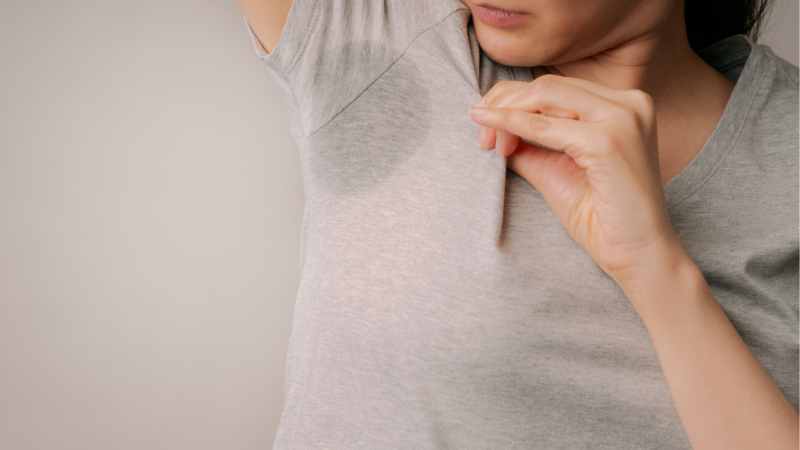
Underarm hyperhidrosis can cause visible marks, repeated clothing changes, avoidance of colours or fabrics and worry about work or social situations.
Hands, feet and facial sweating
Sweaty hands, feet, scalp or face can affect work, shoes, technology use, handshakes, makeup, hair styling and daily confidence.
Generalised or new sweating
New, whole-body, night-time or unexplained sweating should be assessed medically before any aesthetic treatment is considered.
The balanced way to think about excessive sweating treatment
Hyperhidrosis care should not begin with selling a procedure. A good plan asks whether the sweating pattern is focal or generalised, whether symptoms suggest another cause, how much it affects daily life, and whether treatment is clinically appropriate.
Who is excessive sweating and hyperhidrosis treatment for?
This pathway may suit people affected by long-standing underarm sweating, focal hyperhidrosis, visible sweat marks, repeated clothing changes, social anxiety around sweating, or uncertainty about whether sweating has a medical cause.
People with underarm sweating affecting daily life
Underarm sweating may affect clothing choices, professional confidence, social events and intimacy. Assessment helps decide whether treatment is suitable and realistic.
People with focal sweating concerns
Focal sweating can affect the hands, feet, face, scalp or underarms. Suitability depends on the area, severity, treatment options and whether another medical cause is suspected.
People who need clarity before treatment
If sweating has recently changed, is generalised, happens at night or comes with other symptoms, assessment helps decide whether medical review should come first.
When treatment may not be suitable
Treatment may not be suitable if sweating is new, unexplained, generalised, linked with fever, night sweats, weight loss, palpitations, chest symptoms, pregnancy, medication changes or suspected infection.
Why the cause of sweating matters
Excessive sweating can be a long-standing focal condition, or it can be a sign of another medical or medication-related issue. This distinction affects whether aesthetic treatment is appropriate.
What we look for
A careful review helps identify sweating pattern, timing, triggers, medication context, menopause context, thyroid-type symptoms, infection symptoms, anxiety overlap and quality-of-life impact.
Focal sweating can be treatment-led
Long-standing underarm sweating may be suitable for a targeted treatment pathway after medical screening.
Generalised sweating needs caution
Whole-body or new sweating may be secondary to another cause and should not be treated as routine aesthetics.
Wellbeing impact is valid
Sweating can affect confidence, work, social activities, intimacy, clothing and emotional wellbeing.
No complete-dryness promise
Treatment may reduce sweating in suitable cases, but response, duration and maintenance needs vary.
Why this matters
Treating excessive sweating without reviewing cause can be unsafe. A structured assessment helps decide whether the right pathway is self-care, medical review, underarm treatment, medication review, menopause support, dermatology referral or reassurance.
How excessive sweating and hyperhidrosis treatment planning works
The safest plan is assessment-led. We first understand the sweating pattern and medical context, then discuss treatment suitability, realistic improvement, maintenance and whether medical review is needed first.
1. Consultation and history
We review where you sweat, when it started, triggers, night sweats, medication changes, menopause context, medical history and daily impact.
2. Pattern and red flag assessment
We assess whether sweating appears focal and primary, or whether symptoms suggest secondary sweating needing medical review.
3. Suitability and treatment planning
We discuss suitable options, risks, alternatives, expected duration, limitations and whether underarm injectable treatment is appropriate.
4. Treatment, review and maintenance
If treatment is suitable, response is reviewed over time and maintenance is discussed according to sweating control and comfort.
Treatment methods we may discuss for excessive sweating
Excessive sweating is the concern. The treatment method depends on whether sweating is underarm-focused, focal, generalised, medication-related, menopause-related, anxiety-linked or part of another medical picture.
Underarm sweating assessment
Underarm sweating may be assessed for targeted treatment options where symptoms, history and suitability support this pathway.
Self-care and antiperspirant guidance
Some people benefit from reviewing antiperspirant use, clothing, skin irritation, timing and practical strategies before procedural treatment.
Injectable sweat-reduction options
For selected underarm hyperhidrosis, injectable treatment may be discussed after assessment, risk review and suitability confirmation.
Medical or specialist referral
If sweating may be secondary to another cause, GP, dermatology, endocrine or menopause-focused review may be more appropriate.
Why a medical screen matters
New or generalised sweating can be linked with another cause. This should be checked before aesthetic treatment is considered.
Why maintenance matters
If treatment is suitable, the effect is not permanent. Review and maintenance depend on response, symptoms and preference.
When treatment may need extra caution
Extra caution may be needed if sweating has started suddenly, is generalised, happens mainly at night, or is associated with fever, weight loss, palpitations, tremor, chest symptoms, new medication, pregnancy, infection symptoms or other unexplained changes.
Sweating linked with menopause, anxiety, thyroid-type symptoms, diabetes-related symptoms, infection or medication change may need medical review or a different pathway first.
Injectable treatment can have risks and limitations, including discomfort, bruising, swelling, temporary weakness in nearby muscles depending on site, incomplete effect, recurrence and the need for repeat treatment.
This is why WHC keeps the process assessment-led rather than selling fixed hyperhidrosis packages without context.
Sweating improvement needs honest context
Improvement depends on the cause, sweating area, severity, treatment route, lifestyle factors, medical context and individual response. The aim is meaningful reduction and improved confidence where suitable — not a guaranteed completely dry result.
Book Free ConsultationBefore & after
Hyperhidrosis results are often best explained through symptom scores, clothing confidence and quality-of-life change rather than visual before-and-after images. Individual results vary.
Add approved educational or outcome-explanation media here only if clinically appropriate. Do not imply guaranteed dryness or permanent cure.
Why choose a structured hyperhidrosis pathway?
Excessive sweating works best as a medical and quality-of-life pathway, where symptoms, causes, risks, treatment suitability and expectations are all considered together.
Treat the right type of sweating
Underarm focal sweating may be suitable for treatment, while new generalised sweating may need medical review first.
Respect the wellbeing impact
Sweating can affect work, confidence, relationships, travel, exercise and clothing choices.
Plan for maintenance
Treatment effects vary and may need review or repeat treatment depending on response and preference.
Reduced sweating where suitable
Treatment may help reduce sweating in selected focal underarm cases after assessment.
More clothing confidence
Patients often want fewer visible sweat marks and more freedom with colours, fabrics and daily plans.
Confidence and reassurance
A structured consultation can help clarify what is safe, what is realistic and whether another medical pathway is needed.
Realistic timing
Response and duration vary. Review helps plan maintenance without over-treating or treating too soon.
Benefits patients may be looking for
Patients usually want more than a sweat-reduction procedure. They may want to feel less restricted by clothing, worry less about marks, feel more confident at work or social events, and understand whether symptoms have a medical cause.
Results vary. Suitability is always confirmed after consultation and assessment.
Excessive sweating and hyperhidrosis treatment prices UK
Featured consultation price and full pricing guidance
Pricing depends on the route recommended after assessment. Some patients need consultation and medical screening only. Others may need underarm sweat-reduction treatment planning, follow-up review or referral if sweating may be secondary to another cause. For the most complete and up-to-date information, please check our full pricing page.
Free initial enquiry
A short enquiry call to understand your concern and guide you towards the most appropriate appointment or pathway.
Initial enquiry call
Sweating assessment
A focused clinical review of sweating pattern, medical context, red flags, daily impact, treatment suitability and possible next steps.
Featured starting price
Treatment pricing
Underarm treatment, follow-up, medical review and referral needs are priced according to the plan recommended.
Full price list
Why prices vary
Hyperhidrosis is not treated with one fixed package. A patient with focal underarm sweating may need a different plan from someone with sweating linked with medication, menopause, night sweats or wider medical symptoms.
What may affect the final cost?
Check the full pricing page
We are building a central pricing page so patients can check treatment costs in one place. This hyperhidrosis page gives the featured starting point, but the full pricing page should be treated as the main source for detailed and updated prices.
Prices may vary depending on assessment, treatment suitability, sweating area, product needs, follow-up needs and whether medical review or referral is recommended. Please check the full pricing page and confirm costs before proceeding.
Risks, limitations and when excessive sweating needs medical review
Hyperhidrosis treatment can be helpful for selected patients, but sweating must be assessed safely. New sweating, generalised sweating, night sweats and systemic symptoms should not be treated as routine aesthetics.
Medical red flags
Sweating with fever, weight loss, night sweats, palpitations, tremor, chest symptoms, fainting, new medication or sudden onset should be medically assessed.
Treatment risks
Risks vary by treatment route and may include tenderness, bruising, swelling, incomplete effect, temporary weakness in nearby muscles, recurrence and the need for repeat treatment.
Realistic limitations
Treatment may reduce sweating, but cannot guarantee complete dryness, permanent cure or the same duration of effect for every patient.
Seek medical advice for new, generalised or night-time sweating
Please seek medical advice if sweating is new, unexplained, generalised, mainly at night, or associated with fever, weight loss, palpitations, tremor, chest symptoms, fainting, infection symptoms, pregnancy, medication changes or other concerning symptoms.
Educational only. This page does not replace medical diagnosis, urgent care, endocrine review, dermatology review or prescribing advice. Suitability, risks, alternatives and expected outcomes must be discussed during consultation. Results vary. Not a cure.
Excessive Sweating and Hyperhidrosis FAQs
Clear answers to common questions about hyperhidrosis, underarm sweating, focal sweating, secondary sweating, treatment planning and when medical review is needed.
Hyperhidrosis means sweating more than the body needs for temperature control. It may affect the underarms, hands, feet, face, scalp or wider body.
Not always. Some people have long-standing focal sweating without another obvious cause. However, new, generalised or night-time sweating may need medical assessment before treatment is considered.
Underarm hyperhidrosis is excessive sweating from the armpits. It can cause visible sweat marks, clothing changes, odour anxiety, social worry and reduced confidence.
Excessive sweating can be primary, where no obvious cause is found, or secondary to another factor such as medication, menopause, infection, thyroid-type symptoms, anxiety, metabolic changes or another medical condition.
Treatment depends on the cause and area affected. Options may include self-care, antiperspirant guidance, medical review, underarm injectable treatment where suitable, dermatology referral or another specialist pathway.
Injectable sweat-reduction treatment may be discussed for selected underarm hyperhidrosis after assessment. Suitability, risks, alternatives, expected duration and limitations must be reviewed first.
Complete dryness cannot be guaranteed. The aim is usually meaningful sweating reduction and improved quality of life where treatment is suitable. Results and duration vary.
Duration varies depending on the treatment route, sweating area, dose or product used, individual response and maintenance plan. Your clinician will discuss review timing before treatment.
Risks may include discomfort, bruising, swelling, tenderness, incomplete effect, recurrence and temporary weakness in nearby muscles depending on the area treated. Risks are discussed before treatment.
Seek medical advice if sweating is new, unexplained, generalised, mainly at night, or associated with fever, weight loss, palpitations, tremor, chest symptoms, fainting, medication changes or infection symptoms.
Menopause and perimenopause can be linked with hot flushes and sweating. If symptoms suggest hormonal change, a menopause-focused review may be more appropriate than routine hyperhidrosis treatment.
Pregnancy and breastfeeding can affect suitability for many treatment routes. Always disclose pregnancy, breastfeeding or fertility plans before starting any assessment or treatment pathway.
The featured starting price for a sweating assessment consultation is from £150. Further treatment costs depend on assessment, sweating area, treatment suitability, product needs, follow-up and whether medical review or referral is recommended. Please check the full pricing page for detailed and updated pricing.
The main goal is to understand why the sweating is happening, screen for medical causes where needed, and reduce sweating impact safely where treatment is suitable. Results vary.
Your next steps
1. Book your free consultation
2. Talk through your sweating pattern and daily impact
3. Have a medical and suitability assessment if appropriate
4. Receive a personalised treatment or referral plan
5. Review results and maintain safely
If excessive sweating is affecting your confidence, comfort, work or wellbeing, you do not need to guess the cause. A structured consultation can help clarify the safest next step.
Clinical references used for this page
This page is educational and should be reviewed clinically before publication. The references below support cautious assessment of primary versus secondary hyperhidrosis, self-care, underarm treatment options, referral red flags and quality-of-life impact.
NHS excessive sweating guidance
Supports patient-safe wording around sweating when the body does not need to cool down, self-care and medical review.
NICE CKS hyperhidrosis guidance
Supports distinguishing focal/generalised and primary/secondary sweating, plus management and referral considerations.
British Association of Dermatologists hyperhidrosis information
Supports cautious wording around body sites, generalised sweating, secondary causes and dermatology treatment options.
Clinical treatment context for axillary hyperhidrosis
Supports careful wording that injectable treatment may be considered for selected underarm hyperhidrosis after assessment.
References
- 1. NHS: Excessive sweating / hyperhidrosis.
- 2. NICE CKS: Hyperhidrosis assessment and management.
- 3. British Association of Dermatologists: Hyperhidrosis patient information.
- 4. Clinical guidance on botulinum toxin use for selected axillary hyperhidrosis.
Watch patient stories, case studies and media features
Explore our video gallery to hear real patient experiences, learn more through case-based discussions, and watch selected media coverage featuring our work and approach.
NuV Intimate Laser Rejuvenation Femilift MonalisaTouch Alternative
Restore Your Confidence & Intimate Wellness Professional Nu-V vaginal rejuvenation treatment by experienced nurses who understand your needs…
Read MoreFemale Sexual Function Index (FSFI)
Changing the lives of womenVirtual Consultations for Menopause, Sexual Health, Contraception, Diet, Nutrition, and moreUnderstanding the Female Sexual…
Read MoreOzempic (semaglutide) and vaginal health
Clinical report Evidence grading Integration guidelines Women’s health evidence review Ozempic (semaglutide) and vaginal health Comprehensive Clinical Report,…
Read MoreYour Guide to Polynucleotide Treatment for Intimate Wellness
Book Appointment Table of Contents What Exactly Are Polynucleotides? Safety Profile & Studies Indications: What Can It Help…
Read MoreStudy Guide: Understanding Pelvic Health and Sexual Comfort
Dr Farzana Khan qualified as an MD from the University of Copenhagen in 2003. She has worked in…
Read MoreBriefing on Pelvic Pain, Sexual Function, and Treatment Modalities
Dr Farzana Khan qualified as an MD from the University of Copenhagen in 2003. She has worked in…
Read More6 Surprising Truths About Sexual Health We Learned From a Top Women’s Clinic
Dr Farzana Khan qualified as an MD from the University of Copenhagen in 2003. She has worked in…
Read MoreSystemic HRT vs. Local Vaginal Estrogen: A Clear Guide to Your Menopause Treatment Options
Dr Farzana Khan qualified as an MD from the University of Copenhagen in 2003. She has worked in…
Read MoreUnderstanding Painful Sex: A Gentle Guide to Causes and Solutions
Dr Farzana Khan qualified as an MD from the University of Copenhagen in 2003. She has worked in…
Read MoreYour Guide to Vaginal Wellness Treatments: An Empowered Approach to Your Health
Dr Farzana Khan qualified as an MD from the University of Copenhagen in 2003. She has worked in…
Read MoreClinical Practice Guideline: Assessment and Management of Dyspareunia
Dr Farzana Khan qualified as an MD from the University of Copenhagen in 2003. She has worked in…
Read MorePainful Sex in Midlife (Dyspareunia): Causes, Assessment & Evidence-Based Support
Dr Farzana Khan qualified as an MD from the University of Copenhagen in 2003. She has worked in…
Read MoreVaginal Health and Support Study Guide
Vaginal Laxity Study Guide Dashboard Educational only. Not medical advice. Vaginal Health and Support Study Guide Short-Answer Quiz,…
Read MoreBriefing on Vaginal Laxity
Briefing on Vaginal Laxity: Causes, Assessment, and Treatment Pathways Educational only. Not medical advice. Briefing on Vaginal Laxity…
Read MoreYour Guide to a Stronger, More Comfortable Pelvic Floor
Your Guide to a Stronger Pelvic Floor Your Guide to a Stronger, More Comfortable Pelvic Floor A simple…
Read MoreUnderstanding Vaginal Laxity
Understanding Vaginal Laxity Guide Understanding Vaginal Laxity A Guide to Post-Childbirth and Menopausal Changes. Educational only. Not medical…
Read MoreA Patient’s Guide to Managing Vaginal Laxity
Patient's Guide to Vaginal Laxity Management A Patient's Guide to Managing Vaginal Laxity Conservative Strategies for Comfort and…
Read MoreClinical Protocol: Assessment and Stepwise Management of Vaginal Laxity Symptoms
Vaginal Laxity Management Protocol Clinical Protocol: Assessment and Stepwise Management of Vaginal Laxity Symptoms Evidence-Based Framework for Healthcare…
Read MoreVaginal Laxity After Birth & Menopause: UK Guide
Dr Farzana Khan qualified as an MD from the University of Copenhagen in 2003. She has worked in…
Read MoreVaginal Dryness & Genitourinary Syndrome of Menopause (GSM): A UK Guide
Dr Farzana Khan qualified as an MD from the University of Copenhagen in 2003. She has worked in…
Read MoreWorld Menopause Day 2025: Lifestyle Medicine and the Modern Menopause Journey
World Menopause Day 2025: Lifestyle Medicine and the Modern Menopause Journey Last reviewed: October 2025 #LifestyleMedicine #MenopauseAwareness #WomensHealth…
Read MoreYour Complete Guide to Building Mental Health Resilience – Womens Health and Menopause
Your Complete Guide to Building Mental Health Resilience Table of Contents What Actually Is Mental Health? The "I'm…
Read MoreFractional CO2 Laser Therapy in the Management of Pelvic Organ Prolapse: A Critical Review of Evidence, Mechanism, and Regulatory Status
Fractional CO2 Laser Therapy in the Management of Pelvic Organ Prolapse: A Critical Review of Evidence, Mechanism, and…
Read MoreFractional Carbon Dioxide (CO2) Laser Treatment Outcomes for Recurrent Urinary Tract Infection (rUTI)
Fractional Carbon Dioxide (CO2) Laser Treatment Outcomes for Recurrent Urinary Tract Infection (rUTI) Fractional Carbon Dioxide (CO2) Laser…
Read MoreVaginal Tightening Choices Vaginoplasty and Lasers LVR
This article from a UK gynecologist provides a comprehensive overview of vaginal tightening treatments, covering both surgical and…
Read MoreVAGINAL TIGHTENING: SURGICAL, NON SURGICAL, METHODS, BENEFITS, RISKS, AND CONSIDERATIONS
This article from a UK gynecologist provides a comprehensive overview of vaginal tightening treatments, covering both surgical and…
Read MoreWhat is Laser Vaginal Rejuvenation
In this comprehensive article, UK gynecologist Joe Daniels delves into the world of laser vaginal rejuvenation, offering an…
Read MoreFDA warning – Vaginal Rejuvenation
The Women’s Health Clinic (TWHC) Statement on FDA’s “Vaginal Rejuvenation” Warning and Potential Health Risks Exploring the implications…
Read MoreStill not sure where to start?
Browse the wider treatment pages or book a free consultation.
Browse our women’s health FAQs
Find clear answers to common questions about consultations, treatments, symptoms, preparation, aftercare, pricing and what to expect when visiting The Women’s Health Clinic. Use the FAQ bubbles below to continue exploring.
