
Excess hair, hirsutism and ingrown hairs treatment UK
Excess Hair, Hirsutism and Ingrown Hairs Treatment UK — Women’s Health-Led Assessment for Hormonal Hair Growth, PCOS-Related Hair and Skin Irritation
Excess hair growth, hirsutism and recurrent ingrown hairs can affect confidence, comfort and wellbeing. They may also overlap with hormonal health, PCOS, skin inflammation, folliculitis-type irritation, hair-removal methods or medication-related changes.
At The Women’s Health Clinic, we do not treat unwanted hair as a simple appearance-only concern. We first assess whether the pattern is cosmetic, hormonal, PCOS-related, medication-related, skin-related, hair-removal related or part of a wider medical picture that needs further review.
The aim is to guide you towards the safest and most appropriate pathway — which may include women’s health assessment, hormonal context review, skin and ingrown-hair assessment, inflammation management advice, skincare planning, medical review or onward referral where appropriate.
Common concerns we assess
Excess hair and ingrown hairs are not always purely cosmetic. Pattern, timing and symptoms matter.
What may be discussed
Your plan depends on whether the concern is hormonal, skin-related, hair-removal related, medication-related or something needing medical review.
Educational only. Not a diagnosis or medical advice. Suitability is confirmed after consultation and assessment. Results vary. Not a cure.
At a glance
This is not a laser hair removal page. The focus is understanding why excess hair, hirsutism or ingrown hairs are happening and whether women’s health, skin or medical review is needed.
Women’s health-led
Hair pattern, skin irritation and hormonal context reviewed together
First step
assessment and history
Approach
cause-led and supportive
Focus
hormones, PCOS + skin
Timeline
depends on cause
Especially important
Sudden, severe or rapidly worsening hair growth, irregular periods or virilising symptoms need medical review
Hormonal context
The plan considers whether hair growth fits a PCOS, androgen-related, medication-related or age-related pattern.
Skin comfort
Ingrown hairs and shaving bumps may need inflammation, infection risk, friction and hair-removal method review.
Clinical appropriateness first
We only consider treatment where there is a clear medical, functional or psychological wellbeing context and where treatment is clinically appropriate after assessment.
We do not provide trend-led or appearance-only treatment where expectations are unrealistic, suitability is unclear, or a safer alternative pathway is more appropriate.
What are excess hair, hirsutism and ingrown hairs?
Excess hair is a broad term for unwanted or distressing hair growth. Hirsutism usually refers to darker, thicker hair growth in androgen-sensitive areas such as the face, chest, abdomen, lower back, upper arms or thighs.
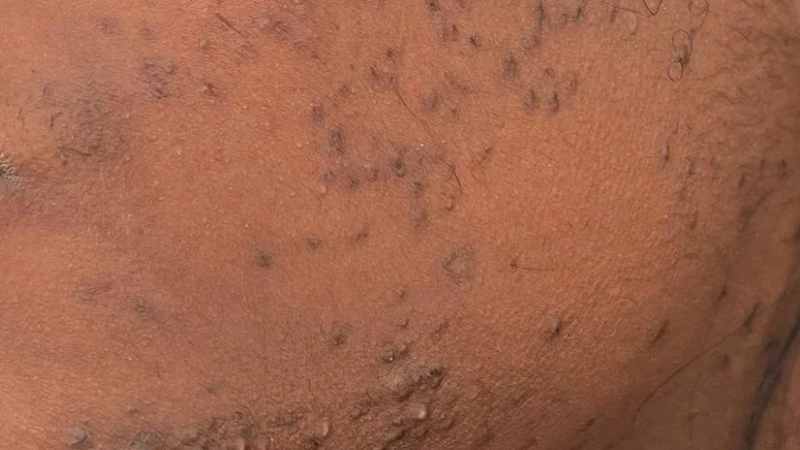
Ingrown hairs are different. They happen when hairs grow back into the skin or become trapped, often after shaving, waxing, plucking or friction. This can cause bumps, redness, tenderness, pigmentation marks, irritation or folliculitis-type inflammation.
Hirsutism and excess hair
Hirsutism may be gradual or sudden, mild or distressing. Assessment looks at pattern, timing, menstrual history, acne, scalp hair thinning, medication use and possible hormonal context.
PCOS-related hair growth
Some women notice excess facial or body hair alongside irregular periods, acne, scalp hair thinning or weight changes. This may need a women’s health-led review rather than a cosmetic-only approach.
Ingrown hairs and shaving bumps
Recurrent ingrown hairs may be linked with shaving, waxing, plucking, tight clothing, friction, coarse or curly hair, inflammation, pigmentation marks or infection risk.
The balanced way to think about excess hair treatment
This page is not about promising permanent hair removal. It is about understanding why the hair growth or ingrown hairs are happening, whether there is a women’s health or skin-health reason behind the concern, and what the safest next step should be.
Who is this excess hair, hirsutism and ingrown hairs pathway for?
This pathway may suit women concerned by distressing facial or body hair growth, hirsutism, PCOS-related hair changes, recurrent ingrown hairs, shaving bumps, pigmentation marks after inflammation or uncertainty about whether symptoms may be hormonal.
Women with distressing facial or body hair
Excess hair can affect emotional wellbeing and confidence. Assessment helps decide whether the pattern appears hormonal, medication-related, age-related or part of another cause.
Women with possible PCOS or hormonal symptoms
Excess hair alongside irregular periods, acne, scalp hair thinning, weight changes or fertility concerns may need a women’s health review rather than cosmetic-only advice.
Women with recurrent ingrown hairs
Recurrent ingrown hairs, shaving bumps, dark marks or tenderness may need assessment of hair-removal methods, friction, skin barrier, inflammation and infection risk.
When medical review should come first
Sudden or rapidly worsening hair growth, voice deepening, marked muscle change, irregular periods, severe acne, scalp hair thinning, pelvic symptoms or infected skin lesions may need medical assessment before any aesthetic pathway.
Excess hair can be a women’s health concern, not just a cosmetic issue
The same visible concern can have different causes. Some women have a long-standing hair pattern; others develop new or worsening hair growth alongside menstrual, skin, metabolic or scalp-hair changes.
What we look for
A careful review helps identify whether the concern is mainly hirsutism, PCOS-related, medication-related, menopause-related, hair-removal related, skin-inflammation related or something requiring medical investigation.
Hormonal patterns need context
Hair growth with irregular periods, acne or scalp thinning may need women’s health assessment rather than cosmetic-only advice.
The pattern matters
Face, chest, abdomen, back, thighs and upper arms may suggest a different context from local irritation after hair removal.
Ingrown hairs need skin review
Recurrent bumps, tenderness, marks or pustules may reflect inflammation, folliculitis, friction or hair-removal technique.
No permanent-removal promise
This pathway does not promise permanent hair removal. It focuses on cause, suitability, wellbeing and safe next steps.
Why this matters
Treating excess hair as a simple cosmetic issue can miss an underlying hormonal or skin-health pattern. A structured assessment helps clarify whether the priority is women’s health review, ingrown-hair management, medication review, skin support, referral or reassurance.
How excess hair, hirsutism and ingrown-hair assessment works
The safest plan is cause-led. We first understand the hair pattern, timing and skin symptoms, then decide whether women’s health review, skin support, prevention advice or onward referral is appropriate.
1. Consultation and history
We review the hair pattern, timing, distress, menstrual history, acne, scalp hair changes, medication use, hair-removal methods and skin symptoms.
2. Women’s health and skin assessment
We assess whether the concern appears hormonal, PCOS-related, medication-related, skin-related, friction-related or hair-removal related.
3. Suitability and safety planning
We discuss suitable next steps, limitations, referral needs and whether medical review should come before any aesthetic or skin pathway.
4. Support, review and maintenance
If support is appropriate, the plan is reviewed over time according to symptoms, comfort, skin response and wellbeing impact.
Pathways we may discuss for excess hair, hirsutism and ingrown hairs
Excess hair or ingrown hairs are the reason for assessment. The recommended route depends on whether the concern is hormonal, PCOS-related, skin-related, hair-removal related, infection-related or a medical red flag that needs review first.
Women’s health review
If the pattern suggests a hormonal or PCOS-related concern, a women’s health-led review may be the safest first step.
Hirsutism assessment
Hair distribution, timing and severity help decide whether reassurance, medical review, prescribing discussion or referral may be appropriate.
Ingrown-hair and skin support
Recurrent ingrown hairs may need skincare, inflammation control, friction reduction and safer hair-removal technique advice.
Referral or signposting
If a concern sits outside this pathway, we may advise GP, endocrine, dermatology or appropriate hair-reduction referral routes.
Why we are not positioning this as laser hair removal
WHC’s role here is assessment-led women’s health and skin support. We do not present this page as a device-led hair-removal service or promise permanent hair removal.
Why symptoms change the pathway
Sudden onset, rapid progression, menstrual change, virilising symptoms or infected lesions can make medical review more important than cosmetic planning.
When treatment may need extra caution
Extra caution may be needed if excess hair growth has started suddenly, is rapidly worsening, is severe, or is associated with irregular periods, acne, scalp hair thinning, weight change, pelvic symptoms or signs of virilisation.
For ingrown hairs, treatment may need medical review first if there is spreading redness, pus, fever, severe pain, recurrent infection, scarring or a non-healing lesion.
Skin and hair-growth management can have limitations. Improvement may be gradual, symptoms can recur, and the right pathway depends on cause, skin response, hormonal context and realistic expectations.
This is why WHC keeps the process assessment-led rather than selling fixed appearance-only hair-removal packages.
Improvement depends on the cause
Outcomes depend on whether the concern is hormonal, PCOS-related, medication-related, hair-removal related, skin-inflammation related or infection-related. The goal is clarity, safer planning and improved comfort — not a guaranteed permanent removal result.
Book Free ConsultationBefore & after
We do not use this page to promote hair-removal transformations. Any imagery should be educational, clinically appropriate and not imply guaranteed permanent hair removal.
Add approved educational skin or ingrown-hair media here only if clinically appropriate. Do not use misleading hair-removal before-and-after imagery.
Why choose a structured women’s health-led pathway?
Excess hair and ingrown hairs are best approached by understanding the cause, reviewing wellbeing impact and avoiding appearance-only treatment where medical or skin review is more appropriate.
Look for the reason
The visible hair or bumps are only part of the story. Timing, pattern and symptoms help shape the pathway.
Respect the wellbeing impact
Hair growth and ingrown hairs can affect confidence, comfort, clothing choices, intimacy and emotional wellbeing.
Avoid the wrong pathway
Some patients need GP, dermatology, endocrine or women’s health review before any aesthetic route is considered.
Clearer understanding
Assessment can help distinguish hirsutism, PCOS-related patterns, skin irritation and hair-removal complications.
Better signposting
If WHC is not the right route for a particular treatment need, we can help clarify what kind of pathway may be more appropriate.
Confidence and reassurance
Patients often want to know whether their symptoms are common, whether hormones may be involved and what is safe to do next.
Realistic expectations
Hair growth and ingrown hairs may need ongoing management, review and realistic planning rather than a one-off promise.
Benefits patients may be looking for
Patients usually want more than hair-removal advice. They may want clarity, less embarrassment, fewer ingrown hairs, better skin comfort, guidance on hormonal context and reassurance that medical causes have not been missed.
Results and next steps vary. Suitability is always confirmed after consultation and assessment.
Excess hair, hirsutism and ingrown hairs consultation prices UK
Featured consultation price and full pricing guidance
Pricing depends on the route recommended after assessment. Some patients need a women’s health consultation, others may need skin and ingrown-hair review, medical review or signposting to a different pathway. For the most complete and up-to-date information, please check our full pricing page.
Free initial enquiry
A short enquiry call to understand your concern and guide you towards the most appropriate appointment or pathway.
Initial enquiry call
Women’s health-led consultation
A focused review of excess hair, hirsutism, PCOS-related context, ingrown hairs, skin irritation, wellbeing impact and safe next steps.
Featured starting price
Pathway pricing
Further costs depend on whether women’s health review, skin support, follow-up, referral or another pathway is recommended.
Full price list
Why prices vary
Excess hair and ingrown hairs are not treated with one fixed package. A patient with possible hormonal hirsutism may need a different route from someone with recurrent shaving bumps, pigmentation marks, folliculitis-type irritation or a concern needing onward referral.
What may affect the final cost?
Check the full pricing page
We are building a central pricing page so patients can check treatment costs in one place. This page gives the featured starting point, but the full pricing page should be treated as the main source for detailed and updated prices.
Prices may vary depending on assessment, treatment suitability, medical context, follow-up needs and whether referral or signposting is recommended. Please check the full pricing page and confirm costs before proceeding.
Risks, limitations and when excess hair or ingrown hairs need medical review
Excess hair and ingrown-hair concerns can be distressing, but the safest route depends on the cause. Rapid changes, hormonal symptoms, infected skin or scarring need careful assessment.
Hormonal red flags
Sudden or rapidly worsening hair growth, severe hirsutism, irregular periods, scalp hair thinning, severe acne or virilising symptoms may need medical assessment.
Skin infection and scarring
Painful, pus-filled, spreading, recurrent or scarring ingrown-hair lesions may need medical review rather than routine skincare advice.
Realistic limitations
This pathway may improve understanding, comfort and planning, but it cannot guarantee permanent hair removal, stop all future ingrown hairs or replace medical diagnosis.
Seek medical advice for sudden hair growth changes or infected skin
Please seek medical advice if hair growth starts suddenly, progresses quickly, is severe, or appears with voice deepening, irregular periods, pelvic symptoms, severe acne or scalp hair thinning. Also seek help for ingrown hairs with spreading redness, pus, fever, severe pain, recurrent infection or scarring.
Educational only. This page does not replace medical diagnosis, endocrine assessment, dermatology review, prescribing advice or urgent care. Suitability, risks, alternatives and expected outcomes must be discussed during consultation. Results vary. Not a cure.
Excess Hair, Hirsutism and Ingrown Hairs FAQs
Clear answers to common questions about excess hair, hirsutism, PCOS-related hair growth, ingrown hairs, shaving bumps and assessment-led women’s health support.
Hirsutism usually means darker, thicker hair growth in areas such as the face, chest, abdomen, lower back, upper arms or thighs. It may be linked with hormonal context, including PCOS, or other causes.
No. Excess facial hair can be hormonal, genetic, age-related, medication-related or part of a long-standing personal hair pattern. Assessment helps decide whether medical review is needed.
PCOS can be associated with excess facial or body hair, acne, irregular periods and other symptoms. If PCOS is suspected, the pathway should include women’s health review rather than cosmetic-only treatment.
No. This page is not a laser hair removal service page. WHC focuses on women’s health-led assessment, hormonal context, skin comfort, ingrown-hair management advice and appropriate referral or signposting where needed.
Ingrown hairs can happen when hairs grow back into the skin or become trapped. Shaving, waxing, plucking, friction, coarse or curly hair, tight clothing and skin inflammation can all contribute.
Yes. Recurrent inflammation from ingrown hairs or shaving bumps can leave pigmentation marks, especially where the skin is repeatedly irritated. Suitability for any treatment depends on skin assessment.
Prevention may include reviewing hair-removal methods, avoiding very close shaving, shaving in the direction of hair growth, reducing friction, supporting the skin barrier and addressing inflammation or infection where present.
Seek medical advice if hair growth starts suddenly, worsens quickly, is severe, or appears with irregular periods, scalp hair thinning, severe acne, voice deepening, pelvic symptoms or other concerning changes.
Seek medical advice if there is spreading redness, pus, fever, severe pain, recurrent infection, scarring, a non-healing lesion or worsening symptoms despite careful hair-removal changes.
This WHC pathway does not promise permanent hair removal. The focus is assessment, women’s health context, skin comfort, safer planning and referral or signposting if another service is more appropriate.
Medication options may be discussed only where clinically appropriate and within the right medical pathway. This depends on your history, symptoms, contraindications, diagnosis and clinician assessment.
Pregnancy and breastfeeding can affect suitability for many treatment routes. Always disclose pregnancy, breastfeeding or fertility plans before starting any assessment or treatment pathway.
The featured starting price for a women’s health-led consultation is from £150. Further costs depend on assessment, treatment suitability, medical context, skin needs, follow-up requirements and whether referral is recommended. Please check the full pricing page for detailed and updated pricing.
The main goal is to understand why the excess hair or ingrown hairs are happening, whether there is a medical or hormonal context, and what the safest, most appropriate next step should be.
Your next steps
1. Book your free consultation
2. Talk through your excess hair or ingrown-hair concerns
3. Have a women’s health and skin assessment if appropriate
4. Receive a personalised pathway recommendation
5. Review symptoms, comfort and next steps safely
If excess hair, hirsutism or ingrown hairs are affecting your confidence, comfort or wellbeing, you do not need to guess the cause. A structured consultation can help clarify the safest next step.
Clinical references used for this page
This page is educational and should be reviewed clinically before publication. The references below support cautious assessment of hirsutism, PCOS-related symptoms, referral red flags and ingrown-hair prevention.
NHS hirsutism guidance
Supports patient-safe wording around hirsutism, GP review and irregular periods as a relevant symptom context.
NICE CKS hirsutism guidance
Supports the definition of hirsutism, assessment for underlying causes, medication context and referral caution for sudden or rapidly progressive symptoms.
NHS PCOS treatment context
Supports cautious wording that unwanted hair growth may be linked with PCOS and may require a broader women’s health pathway.
NHS ingrown hairs guidance
Supports prevention advice around warm water, shaving gel, shaving in the direction of hair growth, reducing strokes and reducing irritation.
References
- 1. NHS: Excessive hair growth / hirsutism.
- 2. NICE CKS: Hirsutism definition, assessment and management.
- 3. NHS: Polycystic ovary syndrome treatment context for unwanted hair growth.
- 4. NHS: Ingrown hairs prevention and self-care advice.
- 5. British Association of Dermatologists: Hirsutism patient information.
Watch patient stories, case studies and media features
Explore our video gallery to hear real patient experiences, learn more through case-based discussions, and watch selected media coverage featuring our work and approach.
How Menopause Affects the Whole Family: A Candid Conversation
How Menopause Affects the Whole Family: A Candid Conversation Key Takeaways The Ripple Effect: Menopause doesn't happen in…
Read MoreVaginal Laxity After Birth & Menopause: UK Guide
Dr Farzana Khan qualified as an MD from the University of Copenhagen in 2003. She has worked in…
Read MoreVaginal Dryness & Genitourinary Syndrome of Menopause (GSM): A UK Guide
Dr Farzana Khan qualified as an MD from the University of Copenhagen in 2003. She has worked in…
Read MoreWorld Menopause Day 2025: Lifestyle Medicine and the Modern Menopause Journey
World Menopause Day 2025: Lifestyle Medicine and the Modern Menopause Journey Last reviewed: October 2025 #LifestyleMedicine #MenopauseAwareness #WomensHealth…
Read MoreYour Complete Guide to Building Mental Health Resilience – Womens Health and Menopause
Your Complete Guide to Building Mental Health Resilience Table of Contents What Actually Is Mental Health? The "I'm…
Read MoreWorld Menopause Day 2024
World Menopause Day 2024Menopause. A small word for something that entails so much. The ‘Davina effect’ if you…
Read MoreCarol Vorderman and Menopause: Navigating Symptoms
Carol Vorderman and Menopause: Navigating Symptoms Carol Vorderman and Menopause: Navigating Symptoms Introduction Television personality Carol Vorderman recently…
Read MoreHormone Replacement Therapy (HRT): A Comprehensive Guide
Hormone Replacement Therapy (HRT): A Comprehensive Guide Table of Contents Introduction Recommended Indications Vaginal Symptoms and Treatment Who…
Read MoreMenopause and Joint Pain: Unraveling the Connection and Finding Relief
Table of Contents: Introduction Understanding Menopause-Related Joint Pain Hormonal Changes and Joint Health Types of Joint Pain during…
Read MoreHormone Replacement Therapy (HRT): A Comprehensive Overview
Table of Contents: Introduction Understanding Hormone Replacement Therapy Types of Hormone Replacement Therapy Estrogen-Only HRT Combined HRT (Estrogen…
Read MoreMenopace and Beyond: Exploring Menopause Supplements for Women
Table of Contents: Introduction Understanding Menopace Exploring Menopause Supplements Essential Vitamins and Minerals Herbal Supplements Omega-3 Fatty Acids…
Read MoreDavina McCall and Menopause: A Candid Conversation on Coping Strategies
Table of Contents: Introduction Davina McCall's Menopause Journey Candid Conversation on Coping Strategies Embracing a Healthy Lifestyle The…
Read MoreMenopause in Men: Recognizing Male Menopause Symptoms
Table of Contents: Introduction What is Male Menopause? Common Symptoms of Male Menopause Low Energy Levels Mood Swings…
Read MoreHRT Side Effects: What to Expect and How to Manage Them
Table of Contents: Introduction What is Hormone Replacement Therapy (HRT)? Common Side Effects of HRT Nausea Breast Tenderness…
Read MoreVaginal Dryness in Menopause: Causes, Symptoms, and Effective Treatments
Table of Contents: Introduction What is Vaginal Dryness? Causes of Vaginal Dryness Hormonal Changes Medications Lack of Arousal…
Read MoreVaginal Atrophy in Menopause: Understanding, Symptoms, and Treatment
Table of Contents: Introduction What is Vaginal Atrophy? Symptoms of Vaginal Atrophy Vaginal Dryness Painful Intercourse Vaginal Itching…
Read MoreNight Sweats in Menopause: Causes, Management, and Lifestyle Tips
Table of Contents: Introduction What are Night Sweats? Night Sweats in Menopause Causes of Night Sweats in Menopause…
Read MoreUnderstanding Vaginal Atrophy in Menopause: Symptoms, Causes, and Management
Table of Contents: Introduction What is Vaginal Atrophy? Symptoms of Vaginal Atrophy Vaginal Dryness Painful Intercourse Vaginal Itching…
Read MoreHRT (Hormone Replacement Therapy) for Menopause: Benefits, Risks, and Considerations
Table of Contents: Introduction What is Hormone Replacement Therapy (HRT)? Benefits of HRT for Menopause Symptom Relief Bone…
Read MoreUnderstanding Perimenopause: Signs, Symptoms, and Strategies
Table of Contents: Introduction What is Perimenopause? Signs and Symptoms Irregular Periods Mood Changes Hot Flashes Diagnosis Medical…
Read MoreMenopause: A Comprehensive Guide to Symptoms and Solutions
Table of Contents: Introduction What is Menopause? Common Symptoms Hot Flashes Night Sweats Mood Swings Health Impacts Bone…
Read MoreNavigating Perimenopause: Understanding the Symptoms and Solutions
Table of Contents: Introduction What is Perimenopause? Signs and Symptoms Hormonal Fluctuations Irregular Menstrual Cycles Hot Flashes and…
Read MoreStill not sure where to start?
Browse the wider treatment pages or book a free consultation.
Browse our women’s health FAQs
Find clear answers to common questions about consultations, treatments, symptoms, preparation, aftercare, pricing and what to expect when visiting The Women’s Health Clinic. Use the FAQ bubbles below to continue exploring.
