
Acne scarring treatment UK
Acne Scarring Treatment UK — Doctor-Led Care for Acne Marks, Texture and Scars
Acne scarring is not one single problem. Some people are dealing with red marks or pigmentation after spots settle. Others have true textural scars such as ice-pick, boxcar, rolling or tethered scars.
At The Women’s Health Clinic, acne scarring is assessed carefully before treatment is recommended. We look at active acne, scar type, skin tone, pigmentation risk, previous treatments, hormonal context and whether the skin is stable enough for scar-focused procedures.
The aim is to build a staged plan — often starting with active acne control, then moving towards treatments such as microneedling, peels, laser, TCA CROSS, subcision referral, regenerative support or combination treatment where suitable.
Common concerns we assess
Acne after-effects can be visual, textural, emotional or all three.
What may be discussed
The method depends on scar type, skin tone and whether acne is still active.
Educational only. Not a diagnosis or medical advice. Suitability is confirmed after consultation and assessment. Results vary. Not a cure.
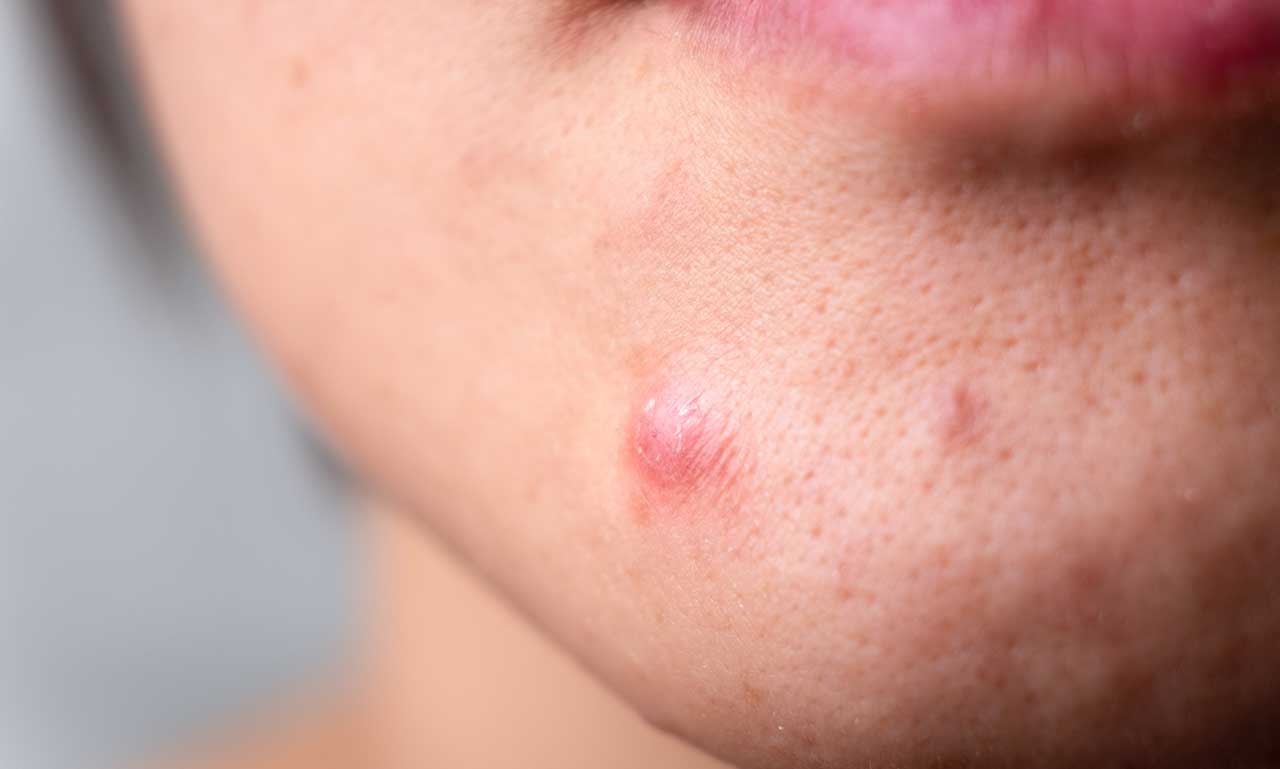
At a glance
Acne scarring care starts by separating active acne, post-inflammatory marks, pigmentation and true textural scarring. The safest treatment route depends on what is actually present.
Scar-type led
Marks, pigmentation and textural scars reviewed separately
First step
control active acne
Approach
usually staged
Focus
texture + pigmentation
Timeline
often several sessions
Especially important
Skin tone, keloid tendency and active inflammation affect treatment choice
Method-matched care
Different scar types often need different treatment methods, and combination treatment may be needed.
Realistic improvement
Scar treatment aims to soften and improve texture. Complete removal is rarely realistic.
Clinical appropriateness first
We only consider treatment where there is a clear medical, functional or psychological wellbeing context and where treatment is clinically appropriate after assessment.
We do not provide trend-led or appearance-only treatment where expectations are unrealistic, suitability is unclear, or a safer alternative pathway is more appropriate.
What is acne scarring?
Acne scarring happens when inflammation damages the skin structure during or after acne. It can leave textural change, depressions, raised areas, red marks, brown pigmentation or a combination of these.
The first clinical distinction is whether the concern is mainly a temporary mark, pigmentation change, ongoing acne, or true structural scarring. Each needs a different plan.
Acne marks
Red marks and brown pigmentation after acne are often called “scars,” but they may be post-inflammatory colour change rather than true textural scarring.
Atrophic scars
Atrophic scars are indented or pitted scars. They may be ice-pick, boxcar, rolling or tethered. These usually need collagen-stimulating or structural treatments.
Raised or keloid-prone scars
Some acne scars are raised rather than indented. A history of keloid or hypertrophic scarring changes what treatments are safe and realistic.
The balanced way to think about acne scar treatment
Acne scar treatment is usually about improvement, not complete erasure. A good plan starts by preventing new scars, calming active acne, identifying scar type, then choosing methods that match the texture, depth and skin safety profile.
Who is acne scarring treatment for?
Acne scarring treatment may suit people with persistent acne marks, uneven texture, pitted scars, post-inflammatory pigmentation or scars that remain after active acne has settled.
People with long-standing acne texture
If past acne has left dents, pits, rough texture or visible skin unevenness, a scar-type assessment can help decide which method is realistic.
People with red or brown acne marks
Some people are mainly concerned with discolouration rather than texture. Pigmentation-led plans are different from scar-remodelling plans.
People with active acne and early scarring
Where acne is still active, the priority is usually to control inflammation first. This helps reduce the risk of new scars forming before scar procedures are considered.
When specialist escalation may be needed
Deep tethered scars, keloid scars, severe active acne, rapid scarring or complex treatment history may need dermatologist or specialist procedural referral.
Acne marks vs acne scars — why the difference matters
Many people use the word “scar” for any mark left after acne. Clinically, this distinction matters because pigment, redness, pits, tethering and raised scars respond to different treatment methods.
What we look for
A careful skin assessment helps identify whether the main issue is colour, texture, depth, tethering, active acne or scar-prone healing.
Post-inflammatory redness
Flat red or pink marks after acne are often vascular or inflammatory rather than true pitted scars.
Post-inflammatory pigmentation
Brown or darker marks after acne may need pigment-aware care, sun protection and careful selection of peels or devices.
Pitted or atrophic scars
Indented scars may need collagen stimulation, resurfacing, TCA CROSS, subcision referral or a combination approach.
Raised or hypertrophic scars
Raised acne scars may need a different pathway from indented scars. Aggressive resurfacing is not always the right starting point.
Why this matters
A peel may help pigmentation but will not release a tethered rolling scar. Microneedling may improve texture gradually but may not be enough for deep ice-pick scars. Laser may help some texture and tone concerns but must be selected carefully for skin tone and risk profile.
How acne scarring treatment works
The best acne scarring plan is usually staged. We first check whether acne is still active, then assess scar type, then choose treatment methods that fit the skin and the scar pattern.
1. Consultation and skin history
We review acne history, scar history, previous treatments, skin tone, medications, pigment risk, healing tendency and expectations.
2. Active acne control
If acne is still flaring, the first priority is usually reducing inflammation and preventing new scars before deeper scar procedures.
3. Scar-type mapping
We identify whether the concern is mainly pigmentation, redness, ice-pick scars, boxcar scars, rolling scars, tethering or raised scarring.
4. Treatment and review
Treatment is planned in stages, reviewed over time, and adjusted according to healing, response and tolerance.
Treatment methods we may use for acne scars and post-acne marks
Acne scarring is the condition. The treatment method depends on the type of scar, the depth, the skin tone, whether acne is active, and whether the main concern is colour, texture or tethering. Some people need one method. Many need a staged combination.
Medical acne control
Where acne is still active, medical treatment may be needed first to reduce inflammation and prevent new scars.
Microneedling / RF microneedling
May help selected texture concerns by stimulating repair and collagen remodelling over a course of treatments.
Peels and pigmentation treatment
Chemical peels and pigment-aware skincare may help selected red or brown post-acne marks when used safely.
TCA CROSS and subcision referral
Deeper ice-pick or tethered rolling scars may need more targeted procedural work or referral to a specialist scar clinician.
Why a staged pathway matters
It is usually better to control active acne first before starting scar-focused procedures. Treating scars while acne is still actively flaring may lead to new inflammation and less predictable results.
Why we avoid one-size-fits-all packages
Acne scarring is individual. Ice-pick scars, rolling scars, pigmentation and active acne are not treated in exactly the same way.
When referral may be needed
Some scars need treatment beyond a routine clinic-based plan. Deep tethered scars, complex ice-pick scars, keloid scars, severe active acne or rapid scarring may need dermatologist or specialist procedural referral.
If isotretinoin is likely to be needed for active acne control, that pathway is usually through a dermatologist. We can help you understand when that conversation is appropriate.
For patients with PCOS-linked acne, cycle irregularity, hirsutism or recurrent adult acne, scar treatment may need to sit alongside wider acne and hormonal assessment.
This is where WHC’s broader women’s health background can be especially useful.
Acne scar results need honest context
Acne scar improvement depends on scar type, depth, skin tone, active acne control, treatment method, healing response and consistency. The goal is usually visible improvement and softening, not guaranteed complete removal.
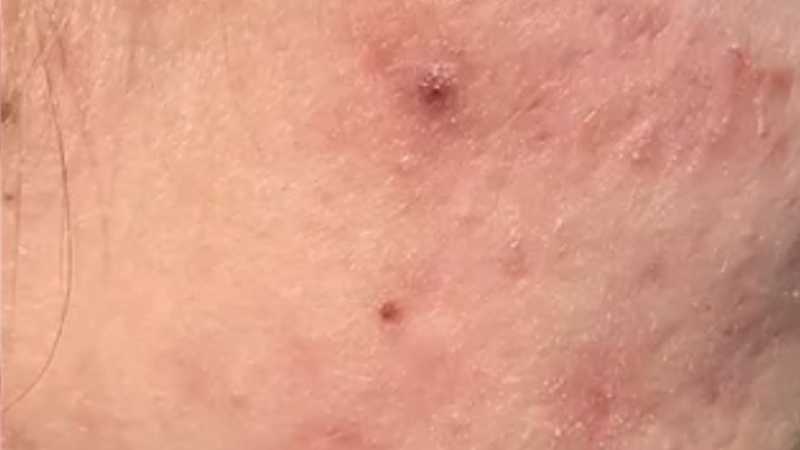
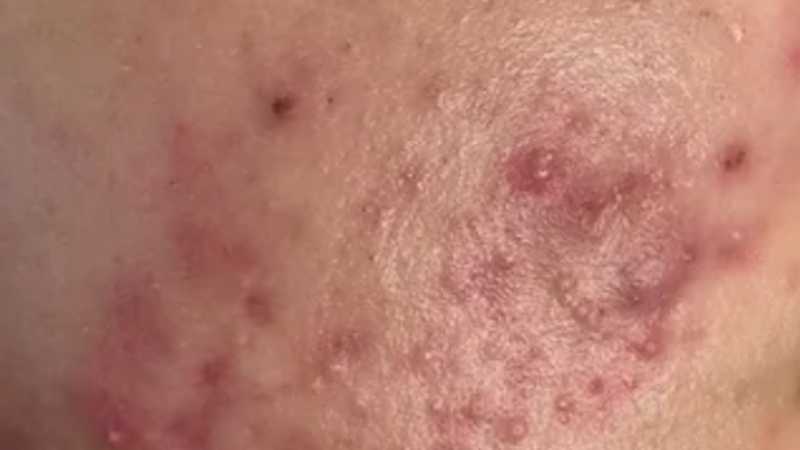
Book Free ConsultationBefore & after
Images are shown for illustration and educational purposes only. Individual results vary, and no treatment outcome can be guaranteed. Suitability and expected results are discussed during consultation.
Why choose a structured acne scar plan?
Acne scar treatment works best when active acne, scar type, skin tone, pigment risk, healing pattern and maintenance are all considered together.
Prevent new scars first
If acne is still active, ongoing inflammation may create new scars. Controlling breakouts matters before resurfacing.
Match method to scar type
Different scars respond differently. The plan for pigmentation is not the same as the plan for deep tethered scars.
Plan for gradual improvement
Most scar treatments need a series of sessions, careful aftercare and realistic review points.
Smoother-looking texture
The aim is to soften visible unevenness and improve the way light reflects from the skin surface.
Reduced visibility of marks
Pigment and redness may need a different route from textural scars, including pigment-aware skincare, peels or device planning.
Confidence and wellbeing
Scarring can affect confidence long after active acne settles. A respectful, realistic plan can help reduce uncertainty.
Realistic timing
Scar remodelling is gradual. It often takes several sessions and months to judge response properly.
Benefits patients may be looking for
Patients usually want more than “scar removal.” They want clearer guidance, safer treatment selection, less visible texture, improved tone, fewer new scars and a plan that feels realistic.
Results vary. Suitability is always confirmed after consultation and assessment.
Acne scarring treatment prices UK
Featured consultation price and full pricing guidance
Acne scar pricing depends on the treatment route recommended after assessment. Some patients need acne control and pigment management first. Others may need microneedling, RF microneedling, peels, laser, TCA CROSS, subcision referral or combination treatment. For the most complete and up-to-date information, please check our full pricing page.
Free initial enquiry
A short enquiry call to understand your concern and guide you towards the most appropriate appointment or pathway.
Initial enquiry call
Acne scar consultation
A focused clinical review of scar type, active acne, skin tone, pigment risk, previous treatment history and possible treatment methods.
Featured starting price
Treatment pricing
Peels, microneedling, RF microneedling, laser, TCA CROSS and scar-focused treatments are priced according to the plan recommended.
Full price list
Why prices vary
Acne scarring is not treated with one fixed package. A person with pigmentation marks may need a different plan from someone with deep ice-pick scars, tethered rolling scars or raised scars.
What may affect the final cost?
Check the full pricing page
We are building a central pricing page so patients can check treatment costs in one place. This acne scarring page gives the featured starting point, but the full pricing page should be treated as the main source for detailed and updated prices.
Prices may vary depending on assessment, treatment suitability, treatment combinations and follow-up needs. Please check the full pricing page and confirm costs before proceeding.
Risks, limitations and when acne scarring needs medical review
Acne scar treatments can be helpful, but they must be chosen safely. Skin tone, pigment risk, active acne, keloid tendency, recent medication and treatment expectations all matter.
Active acne safety
If acne is still inflamed, starting aggressive scar treatment may not be the right first step. Controlling active acne can reduce new scarring risk.
Skin tone and pigmentation risk
Peels, lasers and energy-based treatments must be selected carefully where pigmentation risk is higher. Test areas, gentler settings or different methods may be needed.
Realistic limitations
Acne scar treatment may improve texture and visibility, but complete removal is rarely realistic. Multiple sessions may be required.
Seek specialist advice if scarring is severe, raised or rapidly developing
Aesthetic-style scar treatment is not a substitute for medical acne care where acne is severe, scarring rapidly, painful, infected, or affecting mental wellbeing significantly.
Educational only. This page does not replace medical diagnosis, prescribing advice or urgent care. Suitability, risks, alternatives and expected outcomes must be discussed during consultation. Results vary. Not a cure.
Acne Scarring Treatment FAQs
Clear answers to common questions about acne marks, acne scars, microneedling, laser, TCA CROSS, subcision and realistic treatment planning.
Acne scarring can occur when inflammation damages the deeper structure of the skin. It is more likely after painful cysts, nodules, severe inflammation, delayed acne control, picking or squeezing spots, or a tendency to scar.
No. Red marks and brown pigmentation after acne are often flat colour changes. True acne scars usually involve a change in skin texture, such as pitting, dents, tethering or raised scar tissue.
Common acne scar types include ice-pick scars, boxcar scars, rolling scars, tethered scars, hypertrophic scars and keloid scars. Many people have a mixture of scar types.
Complete removal is rarely realistic. Treatment aims to improve the appearance, soften scar edges, improve texture and reduce visibility. The degree of improvement varies from person to person.
Treatment may include active acne control, microneedling, RF microneedling, chemical peels, laser, pigment management, TCA CROSS, subcision referral, regenerative support or combination treatment depending on scar type and skin suitability.
Microneedling may help selected textural acne scars by stimulating repair and collagen remodelling. It is usually course-based and may not be enough for very deep ice-pick or tethered scars.
Laser may be useful for selected acne scars and post-acne marks, but it is not suitable for everyone. Skin tone, pigmentation risk, active acne, medication history and scar type must be assessed first.
TCA CROSS is a focused chemical technique sometimes used for narrow ice-pick scars. It should only be considered after assessment, as it carries risks including pigmentation change and irritation.
Subcision is a specialist procedure used for selected tethered or rolling scars. It releases fibrous bands beneath the scar. Some patients may need referral to a clinician who performs this procedure regularly.
Usually, yes. If acne is still inflamed or flaring, controlling it first helps reduce the risk of new scarring and makes later scar treatment more predictable.
This depends on the scar type, treatment method and response. Many acne scar treatments require a course of sessions and several months to judge improvement.
Many treatments can be used safely with careful planning, but pigmentation risk must be considered. Treatment choice, settings, preparation, aftercare and sun protection are especially important.
The featured starting price for an acne scar consultation is from £150. Further treatment costs depend on whether you need acne control, peels, microneedling, RF microneedling, laser, TCA CROSS, subcision referral or combination treatment. Please check the full pricing page for detailed and updated pricing.
Existing scars do not usually “come back” in the same way, but new scars can form if active acne returns or remains uncontrolled. Maintenance acne care may be part of the plan.
Your next steps
1. Book your free consultation
2. Talk through your acne and scarring history
3. Have a clinical scar assessment if appropriate
4. Receive a personalised treatment plan
5. Review progress and adjust safely
If acne scarring is affecting your confidence, skin texture or wellbeing, you do not need to guess which treatment is right. A structured consultation can help clarify the safest next step.
Clinical references used for this page
This page is educational and should be reviewed clinically before publication. The references below support general acne management, acne-related scarring, scar type education and safety-first treatment planning.
NICE acne vulgaris guideline
Covers acne management in primary and specialist care, including acne-related scarring and referral considerations.
British Association of Dermatologists
Patient information on acne, scarring risk and acne-related marks or scars.
NHS acne complications guidance
Explains acne scarring as a complication, including risk from nodules, cysts and picking or squeezing spots.
UK clinic pricing benchmarks
London/UK clinic pricing references were used to avoid placeholder pricing and provide a realistic featured consultation price.
References
- 1. NICE NG198: Acne vulgaris management, including acne-related scarring.
- 2. British Association of Dermatologists: Acne patient information.
- 3. NHS: Acne complications and acne scarring information.
- 4. UK/London dermatology and skin clinic pricing pages used for pricing benchmark context.
Watch patient stories, case studies and media features
Explore our video gallery to hear real patient experiences, learn more through case-based discussions, and watch selected media coverage featuring our work and approach.
Healthy sex and vaginal rejuvenation social norms
The Influence of Journalists 1. Healthy sex and vaginal rejuvenation social norms2. The Only Thing That Needs Rejuvenating…
Read MoreAll-Party Parliamentary Group on Women’s Health
Earlier this week, Emma Soos, managing director of The Women’s Health Clinic attended the All-Party Parliamentary Group on…
Read MoreShowbiz Vaginal Rejuvenation
Celebrity Vagina – Why is it always in the News? Its 2022 and the “Vagina” is still a…
Read MoreTHE WOMENS HEALTH CLINIC LTD RECEIVES FEEFO GOLD TRUSTED SERVICE AWARD 2019
THE WOMENS HEALTH CLINIC LTD has won the Feefo Gold Service award, an independent seal of excellence that…
Read MoreFDA warning – Vaginal Rejuvenation
The Women’s Health Clinic (TWHC) Statement on FDA’s “Vaginal Rejuvenation” Warning and Potential Health Risks Exploring the implications…
Read More02 May 2018
We love it when our patients get results that they just want to shout about. After her appearance…
Read More23rd April 2018
Like most new-Mum’s, Kate Middleton might know that kegals are important, but perhaps not how to get them…
Read More15 April 2018
A huge good luck to our very own Laura Spicer who is running the Brighton marathon today to…
Read More8 April 2018
Does menopause ruin your sex life asks the Daily Mail? ‘No, it doesn’t have to!’ says our very…
Read More04 April 2018
A new jab, Bulkamid, has been announced that can aid bladder problems. The injection aims to bulk up…
Read More01 April 2018
Due to additional demand we are pleased to announce that we are now offering a Tuesday clinic in…
Read More23rd March 2018
Anddddddd, the feedback’s in – our nurses are pretty amazing! Take a look at some of the latest…
Read More21st March 2018
We are pleased to announce that The Women’s Health Clinic has welcomed on board gynaecologist Dr.Vivek Nama. With…
Read More19 March 2018
Why see your GP for 7-minutes when you can see our expert nurses for an hour at a…
Read More18 March 2018
We,re in the newspapers again! This time commenting on Kate Middleton’s pregnancy, the great thing about The Women’s…
Read More13 March 2018
Some worrying news in the papers this morning as the Daily Mail reveals that a new booklet is…
Read More11 March 2018
Did you know an iron tablet can be one of your first weapons in the menopause battle? Read…
Read More7th March 2018
I’ve seen some awful memes on social media comparing women’s body parts to baguettes!’ Our very own Managing…
Read More28th February 2018
Our nurses have some amazing specialities. Here our Women’s Health Clinic MD and urology nurse Emma Soos shares…
Read More19th February
Did you know it’s almost a decade since Jade Goody died of cervical cancer, and so many of…
Read More08 Feb 2018
It’s almost a decade since Jade Goody died of cervical cancer, and so many of us are still…
Read More06 Feb 2018
Today we supported our friends at Sling the Mesh and visit the House of Lords on the 100th…
Read More02 Feb 2018
What sort of conditions do we treat? The answer is as long as a piece of string but…
Read MoreKim Hanson on Daily Mail
The Women’s Health Clinic would like to make a statement that we actively support our patient Kim Hanson.…
Read MoreNews just in – we received ‘Commended’ at this years Aesthetics Awards!
Congratulations to, well, us! First of all, we were overjoyed to be simply nominated in the Small Group…
Read MoreWe’re live on Disruptive TV!
This year’s Giant Healthcare event took place in London and was broadcast live on Disruptive TV. Reporting on…
Read MorePatient Sara Carson on the Jeremy Vine show
At The Women’s Health Clinic we know our treatments can really make a difference and so when a…
Read MoreBBC Radio Bristol
As her 9th clinic opens, Managing Director Emma Soos spoke to BBC Bristol about why The Women’s Health…
Read MoreBBC Radio Nottingham
Emma Soos was welcomed into the BBC Radio Nottingham studio’s to talk to presenter Mark Dennison about The…
Read MoreCoronavirus Update
Updates on The Women’s Health Clinic’s Coronavirus (COVID-19) actions Please note: this page will be regularly updated (bookmark…
Read MoreLyndsey Hiatt on The Sun speaking about Nu-V
Original Nu-V article in The Sun – used for reference purpose only ‘IT CHANGED MY LIFE’ Holly…
Read MoreCoronavirus
Coronavirus policies 4.1 The Women’s Health Clinic recognises that the outbreak of a new strain of coronavirus SARS…
Read MoreStill not sure where to start?
Browse the wider treatment pages or book a free consultation.
Browse our women’s health FAQs
Find clear answers to common questions about consultations, treatments, symptoms, preparation, aftercare, pricing and what to expect when visiting The Women’s Health Clinic. Use the FAQ bubbles below to continue exploring.
