



Can nerve testing help evaluate vaginal sensation changes? | WHC Clinical FAQ

Can nerve testing help evaluate vaginal sensation changes?
Can medications affect vaginal sensation? | WHC Clinical FAQ
Women’s Health Clinic FAQ
What questions will doctors ask about vaginal sensation loss?
This type of question is often broader than one cause; a symptom-only approach can miss useful details.
Direct answer
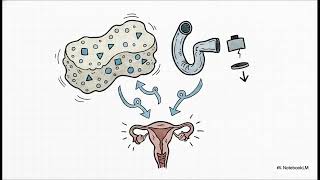
Reduced sensation can be caused by multiple factors, including tissue comfort, pelvic floor tension, hormonal state, medications and stress-related changes. A clinical review is usually required to separate reversible contributors from conditions needing specialist treatment.
A structured review usually starts with timeline, triggers and whether other symptoms are present with the sensation changes. review treatment options if you want structure first.
Educational only. Clinical suitability must be confirmed following an appropriate consultation and assessment by a qualified healthcare professional. Results vary. Not a cure.
At a glance
A layered review gives more reliable outcomes than one diagnosis assumption.
Diagnostic Differentiators
Key physical and clinical parameters
Primary pattern
Onset and change over time
Likely contributors
Tissue, nerves, medication, stress
What matters
Function and safety impact
Clinical priority
Red-flag review
Critical Progressive Risk
Educational only. This is pattern-based guidance, not a diagnosis.
Why sensation questions are layered
Sensory questions can involve tissue change, nerve response, pelvic floor factors and medication effects together.
Key Overlapping Symptom Triggers
When pain, discharge, bleeding or rapid change is present, direct review is usually more useful than broad self-treatment.
Tissue response
Changes in tissue comfort can alter sensation and tolerance.
Nerve and muscle context
Pelvic floor tension and pain pathways can amplify symptom perception.
Medication context
Some medicines can change sensation and arousal pathways.
Emotional safety
Avoiding pressure and fear during review supports clearer clinical decision-making.
Practical takeaway
Track triggers and red flags, then review with a clinician before applying layered interventions.
No single change usually explains all sensation changes.
Escalation and safety signals
Some symptom combinations deserve direct assessment instead of online guessing.
Persistent pain
Persistent pain patterns should be reviewed directly.
Associated symptoms
Bleeding, discharge or neurological symptoms are important review points.
Medication review
Do not change prescribed medication without clinical review.
Avoid assumptions
One symptom does not define all causes.
Clinical note
Broad causes are common; assessment is often more accurate when symptoms are tracked with context.
If pain and function are changing, seek timely clinical review.
Useful decision points
Use a structured sequence: pattern, association, red flags, and clinician review.
Useful benchmark
Reduced uncertainty and clearer function planning are meaningful early signs of better management.
Symptom diary
Track onset, context and what makes symptoms better or worse.
Context review
Link sensations with stress, medication and function.
Red-flag filter
Escalate when warning signs are present.
Recheck plan
Reassess after initial conservative support and review outcomes.
Practical next step
Use structured tracking before making treatment changes.
Discuss persistent findings with a clinical team.
Common myths
Myths can delay the right pathway.
Myth: One treatment fixes all sensation issues
Most people have more than one contributing factor in this area.
Myth: Lack of sensation means no concern
Functional impact can still be significant and worth clinical review.
Myth: Waiting is always harmless
Progressive symptoms may need earlier review.
Better frame
Use a route-based review with red-flag checks.
Practical follow-up
Escalate if symptoms affect safety or daily function.
Clinical checklist
Use this when deciding if escalation is needed.
Red-flag overlap
Pair symptoms with any warning signs before self-managing.
Function impact
Review effect on comfort, intimacy and daily activity.
Medication status
List medicines that started near symptom changes.
Escalation threshold
Move to clinical review if there is persistent or worsening pattern.
Reassuring Signs Matrix (Green Flags)
Conservative planning is often useful when:
Indicators to Pause and Re-Evaluate (Red Flags)
Seek earlier care if:
Signs Demanding Immediate Clinical Evaluation
Escalate when pain or neurological warning signs are present; safety first. Access NHS 111 Support
Early escalation
Do not delay review where pain or function is changing quickly.
Route clarity
Route and exam findings guide safer treatment than broad comparison.
Avoid self-treatment stacking
Overlapping interventions can blur symptom interpretation.
Structured follow-up
Review progress after a defined period and safety threshold.
This safety and escalation advice is purely educational and does not replace emergency medical care. If you are experiencing severe, worsening pain, heavy active bleeding, signs of systemic infection, acute urinary retention, or sudden incontinence, please contact NHS 111, your local GP, or an urgent care centre immediately.
Deep Clinical Context & Common Patient Inquiries
What questions will doctors ask about vaginal sensation loss
Source review confirms the topic is clinically relevant, so this page keeps a staged, safety-first pathway with conservative first steps and clear escalation signals.review this with the team.Use this framework if symptoms change quickly, if safety signs appear, or if routine support is not improving function.Authoritative UK Clinical Resources
Access peer-reviewed guidance from national healthcare bodies to support your understanding of pelvic health conditions.
Pelvic floor and sexual pain guidance - NHS
Clinical guidance and pathway context for this FAQ.Read guidance
NHS vaginal dryness
Clinical guidance and pathway context for this FAQ.Read guidance
NICE NG210 recommendations
Clinical guidance and pathway context for this FAQ.Read guidance
RCOG pelvic floor health
Clinical guidance and pathway context for this FAQ.Read guidance
Next step
Schedule a Confidential Specialist Evaluation
If pattern tracking suggests escalation, ask for a structured clinical review with your team.
Clinical reference materials used for this FAQ
Educational only. Individual treatment suitability can only be determined by a qualified professional after a thorough consultation and assessment. Results vary. Not a cure.
