



Can medications affect vaginal sensation?
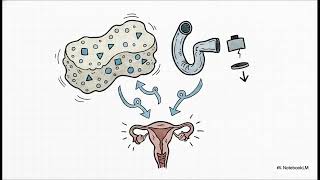
Can medications affect vaginal sensation? | WHC Clinical FAQ

Does low dose naltrexone or neuromodulators affect vaginal transudate
Women’s Health Clinic FAQ
Can opioid pain medications reduce vaginal feeling?
This topic is clinically relevant because women taking long-term opioids may notice sexual changes but are often given little information about endocrine or libido effects.
Direct answer
Possibly, especially with longer-term opioid use, but usually through a broader sexual-function pathway rather than a proven direct cause of isolated vaginal numbness. Opioids can suppress the hormone systems involved in libido and sexual response, and women may notice less desire, flatter arousal, less lubrication or sex feeling less responsive overall. The evidence in women is still limited and not every opioid user develops these symptoms. So opioids are a plausible contributor, but the safest wording is that they may reduce sexual response and should be reviewed in context rather than assumed to cause direct vaginal nerve damage.
The evidence is not perfect, which means the answer needs to be cautious without pretending there is no signal at all. You can book a pelvic pain consultation if you want a clearer, cause-focused assessment rather than generic reassurance.
Educational only. Clinical suitability must be confirmed following an appropriate consultation and assessment by a qualified healthcare professional. Results vary. Not a cure.
At a glance
Long-term opioids may reduce sexual response in women through endocrine effects and low libido, even though evidence for isolated vaginal numbness is much less direct.
Diagnostic Differentiators
Key physical and clinical parameters
Main way it can matter
Suppression of the hypothalamic-pituitary-gonadal axis with broader effects on libido and arousal
Often noticed as
Lower libido, flatter arousal, less lubrication or sex feeling less responsive rather than pure numbness alone
Still review if
Symptoms began after longer-term opioid use, worsen over time or affect adherence or quality of life
Important caution
Do not present opioids as a proven universal cause of direct vaginal nerve damage in women
Critical Progressive Risk
Educational only. Painful sex, pelvic pain and vaginal symptoms still need individual assessment. Results vary, and no single explanation or treatment should be oversold as a universal cure.
What this usually means clinically
Long-term opioids can change endocrine function and sexual response. In women, that may show up more as lower desire, lubrication change or a blunted overall sexual experience than as isolated genital numbness.
Key Overlapping Symptom Triggers
Chronic pain itself, fatigue, low mood, other medicines and menopause often overlap, which is why the symptom pattern still needs context and review.
How this factor can reduce sexual feeling or comfort
Opioids may reduce sexual feeling indirectly by suppressing hormone pathways involved in libido, arousal and lubrication, especially with prolonged use.
What often overlaps with it
Chronic pain, poor sleep, low mood, limited mobility and other medicines may overlap and make sexual response feel even less available.
Where the limits are
The limits are important: evidence in women remains incomplete, and the strongest supported claim is broader sexual dysfunction rather than direct vaginal numbness alone.
What review usually focuses on
Review usually focuses on treatment duration, dose, pain severity, menstrual or menopausal symptoms, libido change and whether endocrine review is appropriate.
The balanced answer
Long-term opioids can plausibly flatten sexual response in some women.
The honest answer is strongest when it stays specific about hormones, libido and evidence limits.
Why this question matters
This matters because opioid-related sexual symptoms in women are under-recognised and can be masked by the chronic pain itself.
It gives the factor its proper weight
It gives a plausible medicine effect its proper place in the differential.
It avoids false certainty
It avoids claiming stronger genital-nerve evidence than the literature supports.
It supports safer management
It supports safer review of long-term opioid use, endocrine symptoms and alternatives.
It helps match the next step
It helps women raise a legitimate side-effect concern without feeling dismissed.
Why the wider context matters
A useful painful-sex assessment usually asks about anatomy, hormones, infection risk, pelvic floor tone, recent life events, cycle timing and the emotional fallout of repeated pain.
That is why a confident one-line explanation is often less helpful than a structured review that separates what is most likely, what needs ruling out and what may overlap.
What usually helps decision-making
The key questions are how long opioids have been used, whether libido or lubrication changed too, and whether the sexual change tracks with long-term treatment rather than a one-off dose.
Useful benchmark
An opioid-related explanation becomes more plausible when reduced sexual response developed during long-term opioid use and sits with broader hormonal or libido changes rather than with isolated sudden genital numbness alone.
Notice when the change began
Notice whether the change followed long-term or escalating opioid treatment rather than a short course.
Notice whether dryness, pain or arousal changed too
Notice whether low libido or lubrication changed as well as sensation.
Notice what else could be contributing
Notice whether chronic pain, sleep disruption or other medicines are also flattening sexual response.
Notice when reassessment matters sooner
Notice whether the symptom is persistent enough to justify medication and endocrine review.
Better framing
Use the symptom to review long-term opioid exposure thoughtfully.
That is safer than either dismissing it or overstating certainty.
Common myths
These myths can distort how opioid-related sexual symptoms are handled.
Myth: If this factor is present, it must be the whole explanation.
Reality: opioids may matter, but pain, fatigue and menopause may still overlap and deserve equal attention.
Myth: If this factor is involved, nothing else can help.
Reality: reviewing dose, duration and hormonal consequences can still help even when pain treatment remains necessary.
Myth: If symptoms are embarrassing, review can wait indefinitely.
Reality: persistent sexual symptoms on long-term opioids are worth discussing and are not a trivial side issue.
Better frame
Think possible opioid-related endocrine and libido effect, not automatic genital-nerve damage.
Safer expectation
Expect the review to weigh symptom burden against pain-management needs.
When painful sex can be monitored and when to get reviewed
Pain with sex is common, but persistent or worsening pain should not be normalised. Pattern, triggers and associated symptoms help decide how urgently it needs assessment.
The trigger pattern is fairly clear
You can describe whether the pain is mainly on entry, deeper in the pelvis, related to dryness, linked with your cycle or tied to a recent life event such as childbirth or menopause.
There are no obvious red-flag symptoms
There is no fever, offensive discharge, heavy bleeding, sudden severe pelvic pain or major change in bladder or bowel function alongside the painful sex.
Simple support is helping somewhat
Lubrication, slower arousal, pelvic floor relaxation or avoiding clear irritants is making symptoms a little easier rather than the pain steadily escalating.
You know when to escalate
You are not trying to push through repeated pain, recurrent bleeding, or severe anxiety about penetration without asking for proper clinical support.
Reassuring Signs Matrix (Green Flags)
Reasonable first steps often include:
Indicators to Pause and Re-Evaluate (Red Flags)
Arrange a medical review sooner if you notice:
Signs Demanding Immediate Clinical Evaluation
Painful sex is often treatable, but the right treatment depends on the cause. Review becomes more important when symptoms persist, spread beyond intercourse or start affecting confidence, relationships or routine examinations. Access NHS 111 Support
Location changes the differential
Entry pain, burning and stinging suggest a different set of causes from deep internal pain or cyclical pelvic pain.
Life-stage clues matter
Menopause, breastfeeding, childbirth recovery, pelvic surgery and sexual health exposures can all shift which diagnoses are more likely.
Pelvic floor reactions can become part of the problem
Once pain becomes expected, the body may tense protectively and make penetration harder even when the original driver was something else.
Urgent symptoms still need urgent help
Sudden severe lower abdominal pain, fever, heavy bleeding, feeling acutely unwell or symptoms suggesting torsion, PID or another acute pelvic condition should not wait.
This safety and escalation advice is purely educational and does not replace emergency medical care. If you are experiencing severe, worsening pain, heavy active bleeding, signs of systemic infection, acute urinary retention, or sudden incontinence, please contact NHS 111, your local GP, or an urgent care centre immediately.
Deep Clinical Context & Common Patient Inquiries
Situations where this factor becomes more plausible
- long-term opioid use rather than a brief short course
- lower libido, flatter arousal or reduced lubrication as well as less sensation
- other hypogonadal or menstrual-type changes
- the symptom is affecting intimacy or adherence to pain treatment
Why this still needs context
Women on long-term opioids may use words like numb, disconnected or just not interested because the sexual response can flatten in several ways at once. Clinically, that often points more towards endocrine and libido effects than towards isolated nerve loss.If you want help weighing whether this factor looks central, partial or coincidental in your own symptom pattern, you can review painful sex symptoms with the clinical team.When to widen the assessment
Seek review if symptoms persist on long-term opioids, especially if they coexist with menstrual change, menopausal symptoms, low mood or major quality-of-life impact.Authoritative UK Clinical Resources
Access peer-reviewed guidance from national healthcare bodies to support your understanding of pelvic health conditions.
Opioids and endocrine dysfunction - PMC
A clinical review showing that long-term opioids can suppress the hypothalamic-pituitary-gonadal axis and contribute to reduced libido and sexual dysfunction in women and men.Read source
Comprehensive systematic review of long-term opioids in women with chronic noncancer pain and associated reproductive dysfunction - PubMed
A systematic review supporting cautious language that long-term opioid use in women may be linked to reproductive and sexual side effects, although evidence remains limited.Read source
Opioids and Their Endocrine Effects: A Systematic Review and Meta-analysis - PMC
A systematic review and meta-analysis on opioid-related endocrine dysfunction, including low libido and hypogonadal symptoms.Read source
Next step
Schedule a Confidential Specialist Evaluation
If long-term opioid treatment may be affecting sexual response, WHC can help review whether hormones, pain, menopause or another factor looks most relevant before medication changes are considered.
Clinical reference materials used for this FAQ
- Opioids and endocrine dysfunction - PMC
- Comprehensive systematic review of long-term opioids in women with chronic noncancer pain and associated reproductive dysfunction - PubMed
- Opioids and Their Endocrine Effects: A Systematic Review and Meta-analysis - PMC
- Opioids, Women and Libido (OWL) Study - Health Research Authority
Educational only. Individual treatment suitability can only be determined by a qualified professional after a thorough consultation and assessment. Results vary. Not a cure.
