


What causes hot flushes and why do they happen?
What causes hot flushes and why do they happen? | WHC Clinical FAQ

How does menopause affect body odor, and why am I sweating more even without a hot flush?
Women’s Health Clinic FAQ
Why do hot flushes cause sweating and chills?
This question is really about mechanism. Women often worry that sweating followed by chills must mean infection, yet menopause can create a short-lived hot-cold swing that feels surprisingly physical.
Direct answer
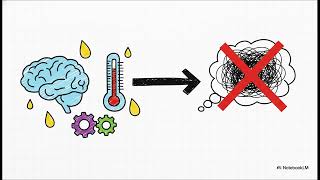
Hot flushes cause sweating and chills because menopause-related vasomotor symptoms briefly disrupt the body’s temperature regulation. You may suddenly feel intensely hot, your body responds by sweating and increasing heat loss, and then you can feel chilled as the episode settles. That swing can feel dramatic, but it is different from having a persistent fever. If the pattern comes with illness symptoms or does not behave like short, wave-like episodes, it needs wider review.
Explaining the sequence properly is helpful because it normalises a common symptom pattern without dismissing the need to check symptoms that look more like illness. You can book a menopause consultation if you want a more structured review of what is driving the pattern.
Educational only. Clinical suitability must be confirmed following an appropriate consultation and assessment by a qualified healthcare professional. Results vary. Not a cure.
At a glance
The body can swing from overheated to sweaty to chilled in one short episode when temperature regulation becomes temporarily unstable.
Diagnostic Differentiators
Key physical and clinical parameters
First phase
sudden heat surge
Body response
sweating to lose heat
After-effect
cooling or chills
If persistent
think beyond menopause
Critical Progressive Risk
Educational only. Hot flushes are usually menopause-related vasomotor symptoms, but age, trigger pattern, medication history and associated symptoms still need to be interpreted clinically.
Why the hot-then-cold feeling happens
A hot flush is not just one sensation. It is a sequence in which your body suddenly behaves as if it needs to get rid of heat fast.
Key Overlapping Symptom Triggers
Once sweating and skin cooling follow, some women feel chilled, damp or shaky, particularly at night when bedding and sleep are already involved.
The heat surge comes first
The episode usually begins with sudden internal warmth or burning heat, often in the upper body.
Sweating is a cooling response
Sweating helps the body lose heat, which is why clothes, skin and bedding can quickly become uncomfortable.
Chills can follow the cooling phase
After sweating and cooling down, some women feel briefly cold or clammy as the episode resolves.
Short-lived swings fit better than all-day illness
A quick hot-sweaty-chilly sequence is more consistent with a flush than a prolonged feverish state.
Most useful explanation
Sweating and chills are part of the same short thermoregulatory swing for many women.
That is why the symptom can feel intense even when the episode itself is brief.
Why this explanation matters
If women do not understand the sequence, they may either panic unnecessarily or ignore symptoms that genuinely fall outside the usual pattern.
It reduces fear of the symptom itself
Knowing that sweating and chills can belong to the same flush can make the episode feel less mysterious.
It helps distinguish fever
A short heat-sweat-cool cycle behaves differently from a sustained high temperature or infection-related illness.
It supports practical coping
Layered clothing, breathable bedding and fast cooling strategies make more sense once the mechanism is understood.
It keeps safety-netting intact
Understanding the usual sequence should not stop you reviewing symptoms that are persistent, systemic or severe.
Why the symptom pattern matters
A “hot flush” is only one part of the story. Timing, frequency, night sweats, medication triggers and overall health all affect what the safest explanation is.
Good menopause care is not about minimising symptoms. It is about working out whether you need reassurance, a structured self-management plan, or a more active treatment conversation.
How to tell the difference from illness
Notice whether the heat, sweating and chills come as a recognisable short episode or whether you feel persistently feverish, unwell or systemically ill.
Helpful benchmark
A recognisable surge-and-settle pattern fits menopause better than a prolonged, illness-like state.
Time the episode
Short, self-limiting changes support a flush pattern more than all-day chills or sweating.
Look for other infection clues
Cough, diarrhoea, significant malaise or a measured high temperature point you away from menopause alone.
Adjust the environment
Light bedding, a fan and quick-drying fabrics can make the cooling phase less miserable.
Escalate if the pattern changes
A sudden new pattern of drenching sweats or persistent chills deserves reassessment.
Practical takeaway
The heat-sweat-chill sequence can be normal within menopause-related vasomotor symptoms.
Persistent fever or feeling generally unwell is a different conversation.
Common misconceptions
The physiology is often explained poorly online.
Myth: Chills mean it cannot be a hot flush.
Reality: some women do feel chilled as the sweating and cooling phase follows the heat surge.
Myth: Sweating proves you have a fever.
Reality: sweating can happen in hot flushes too, especially when the body is trying to lose heat quickly.
Myth: If the sequence is intense, it must be dangerous.
Reality: intensity can be very real without meaning the episode is automatically harmful, though unusual patterns still need context.
Mechanism matters
A better explanation of the body’s heat-loss response usually makes these symptoms feel more understandable and less chaotic.
What to do next
If you are not sure whether the pattern fits a flush or an illness, check the time-course, temperature and associated symptoms.
When you can try self-management and when to get checked
Hot flushes are common, but the wider symptom pattern tells you whether home measures are enough or whether a review would be safer.
Typical menopausal pattern
Symptoms fit a recognisable thermoregulatory-flush pattern and improve with cooling measures, trigger reduction or the right menopause support.
No systemic red flags
There is no unexplained weight loss, high temperature, persistent cough, diarrhoea or other signs of a more general illness.
No concerning bleeding
You do not have bleeding after 12 months without periods, or new bleeding that feels out of keeping with your usual cycle change.
Symptoms are reviewable, not overwhelming
Sleep, work and daily life are affected but still manageable enough for you to monitor patterns and discuss options calmly.
Reassuring Signs Matrix (Green Flags)
Reasonable first steps often include:
Indicators to Pause and Re-Evaluate (Red Flags)
Arrange a medical review sooner if you notice:
Signs Demanding Immediate Clinical Evaluation
Most hot flushes are not dangerous, but repeated night sweats, very disruptive symptoms or an unclear diagnosis deserve proper assessment rather than endless self-management. Access NHS 111 Support
Do not miss another cause
Night sweats and sudden heat can overlap with anxiety, medicines, infection, thyroid disease and other medical problems, so context matters.
Severe sleep loss matters
If repeated flushes are breaking your sleep, mood or concentration, treatment decisions should move beyond “just put up with it”.
Earlier symptoms need thought
Hot flushes before the usual menopause age can still be real, but they may need earlier review for induced or early menopause.
Escalate unusual patterns
Seek urgent help if heat episodes come with collapse, chest pain, or signs of significant illness instead of a straightforward menopausal pattern.
This safety and escalation advice is purely educational and does not replace emergency medical care. If you are experiencing severe, worsening pain, heavy active bleeding, signs of systemic infection, acute urinary retention, or sudden incontinence, please contact NHS 111, your local GP, or an urgent care centre immediately.
Deep Clinical Context & Common Patient Inquiries
Why the “chill after the flush” catches women out
Women expect a hot flush to feel hot, but they do not always expect the damp, cool or shivery feeling that can follow once sweating starts to do its job. That after-effect can feel almost like a second symptom, even though it is part of the same physiological swing.The full sequence is often the real clue.Why night episodes feel worse
At night, sweat-soaked sleepwear, bedding and broken sleep can make the cooling phase feel much more uncomfortable. The issue then becomes not only the flush itself but how long it takes to get dry, comfortable and back to sleep.Night-time symptoms magnify the burden.When to think beyond menopause
If you have persistent fever, feel generally unwell, or the sweating and chills no longer feel like short episodes, step back from the menopause label and reassess. If you want help doing that, it is sensible to talk through the symptom pattern with the WHC clinical team.Authoritative UK Clinical Resources
Access peer-reviewed guidance from national healthcare bodies to support your understanding of pelvic health conditions.
Symptoms of menopause and perimenopause - NHS
NHS menopause symptom guidance describing the hot flush and night sweat symptom cluster that often arrives together.Read NHS guidance
Recommendations | Menopause: identification and management | NICE
Current NICE recommendations for interpreting vasomotor symptoms within a wider assessment rather than as isolated facts.Read NICE guidance
Night sweats - NHS
NHS night-sweats guidance that helps support safe differentiation when sweating starts to look more illness-related than menopausal.Read NHS guidance
Next step
Schedule a Confidential Specialist Evaluation
If the hot-sweaty-chilly pattern is frequent, disruptive or difficult to distinguish from illness, WHC can help you review it more carefully.
Clinical reference materials used for this FAQ
Educational only. Individual treatment suitability can only be determined by a qualified professional after a thorough consultation and assessment. Results vary. Not a cure.
