


How do menopausal hot flushes and overnight temperature spikes impact the p... | WHC Clinical FAQ

How do menopausal hot flushes and overnight temperature spikes impact the performance or skin adh...
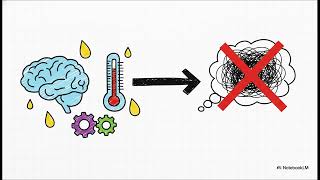
What causes hot flushes and why do they happen? | WHC Clinical FAQ
Women’s Health Clinic FAQ
Can early menopause cause more severe hot flushes?
Women often ask this when they are dealing not only with the symptom itself, but with the shock of it happening earlier than expected.
Direct answer
Yes, early menopause can cause more severe or more disruptive hot flushes, especially when hormone levels fall abruptly after surgery or cancer treatment rather than changing gradually. But it is not automatic. Some women have milder symptoms, while others find the earlier timing, sleep loss and emotional impact make the flushes feel particularly hard to cope with. The important point is that early menopause deserves active review because symptom burden, bone health and cardiovascular health all matter more when menopause happens before 45.
That context matters. Even if flush frequency is not objectively extreme, earlier age and abrupt onset can make the whole experience feel more severe. You can book a menopause consultation if you want a more structured review of what is driving the pattern.
Educational only. Clinical suitability must be confirmed following an appropriate consultation and assessment by a qualified healthcare professional. Results vary. Not a cure.
At a glance
Early menopause does not automatically mean worse flushes, but abrupt hormone loss and younger age can make symptoms harder to live with and more important to treat properly.
Diagnostic Differentiators
Key physical and clinical parameters
Can severity be worse?
Yes, sometimes
Most abrupt pattern
Surgical or treatment-induced menopause
Younger age adds
Longer health implications
Do not wait if
Sleep and daily life are suffering
Critical Progressive Risk
Educational only. Hot flushes are usually menopause-related vasomotor symptoms, but age, trigger pattern, medication history and associated symptoms still need to be interpreted clinically.
Why early menopause can feel harsher
The symptom burden is influenced not only by whether flushes occur, but by how suddenly hormone levels change and what that means for the woman's stage of life.
Key Overlapping Symptom Triggers
Abrupt hormone loss after surgery or treatment often feels different from a slower perimenopausal transition, even though not everyone will report the same severity.
Early menopause is a recognised condition
NHS guidance defines it as menopause before 45 and notes that treatment-related and surgical causes are common reasons it may happen earlier.
Abrupt onset can intensify symptoms
Research on surgical ovarian insufficiency describes vasomotor symptoms as potentially more symptomatic because the hormone drop is sudden rather than gradual.
Younger age changes the clinical conversation
Before 45, missing hormones matter for long-term bone and cardiovascular health as well as symptom relief, so active treatment discussions are especially important.
Emotional burden can magnify severity
Unexpected early symptoms can affect confidence, fertility plans, work and mental wellbeing, which may make hot flushes feel more overwhelming than the symptom count alone suggests.
The most useful answer
Early menopause can produce severe hot flushes, particularly if the onset is abrupt, but it is not inevitable for every woman.
What matters is taking earlier symptoms seriously enough to review both symptom control and longer-term health protection.
Why this question matters
The answer affects more than comfort. Early menopause changes how quickly support, treatment and health-protection discussions should happen.
Earlier symptoms deserve quicker review
Women often need a more active plan rather than vague reassurance when menopause happens early.
Sleep disruption can be intense
Night sweats and flushes may hit hard when they arrive suddenly and unexpectedly.
Health protection matters sooner
Replacing missing hormones before the usual menopause age can be important for bones and heart health if appropriate.
Fertility and identity concerns can add strain
Earlier timing can make the emotional impact much heavier than symptom frequency alone suggests.
Why the symptom pattern matters
A “hot flush” is only one part of the story. Timing, frequency, night sweats, menstrual changes, medication triggers and overall health all affect what the safest explanation is.
Good menopause care is not about minimising symptoms. It is about working out whether you need reassurance, a structured self-management plan, or a more active treatment conversation.
What to review if early menopause flushes feel severe
Look at whether the onset was natural or treatment-induced, how much sleep is being lost, whether periods have stopped, and whether you need a fuller conversation about hormone replacement or other options.
Important benchmark
If symptoms are occurring before 45 and disrupting sleep or functioning, that is usually enough reason to seek structured review rather than waiting it out.
Clarify the cause
Natural early menopause, chemotherapy, hormone medicines and ovarian surgery may all shape severity differently.
Assess life impact honestly
A flush pattern that is derailing sleep or work deserves treatment consideration even if it sounds "common" on paper.
Discuss long-term health too
Bone and cardiovascular protection become part of the conversation when menopause happens early.
Escalate sooner, not later
Younger women should not be left struggling for months without a plan simply because menopause is less expected at their age.
Balanced conclusion
Early menopause can bring severe hot flushes, especially when onset is abrupt, but the right response is not assumption. It is active, evidence-based review.
That review should consider both symptom relief and the broader consequences of earlier hormone loss.
Common myths
These misconceptions often make women delay help or chase the wrong fix.
Myth: Early menopause always causes unbearable hot flushes.
Reality: severity varies, although symptoms can be more abrupt and disruptive in some women.
Myth: If you are young, the main issue is only symptom relief.
Reality: earlier hormone loss also affects longer-term health decisions.
Myth: Treatment-induced menopause feels the same as a gradual transition.
Reality: abrupt onset can make the experience and treatment needs different.
Earlier symptoms deserve respect
The combination of younger age, abrupt change and wider life impact often makes active support more important, not less.
What to do next
If early menopause symptoms feel severe, ask for a review that covers both symptom control and longer-term health protection.
When you can try self-management and when to get checked
Hot flushes are common, but the wider symptom pattern tells you whether home measures are enough or whether a review would be safer.
Typical menopausal pattern
Symptoms fit a recognisable hot flushes in early menopause pattern and improve with cooling measures, trigger reduction or the right menopause support.
No systemic red flags
There is no unexplained weight loss, high temperature, persistent cough, diarrhoea or other signs of a more general illness.
No concerning bleeding
You do not have bleeding after 12 months without periods, or new bleeding that feels out of keeping with your usual cycle change.
Symptoms are reviewable, not overwhelming
Sleep, work and daily life are affected but still manageable enough for you to monitor patterns and discuss options calmly.
Reassuring Signs Matrix (Green Flags)
Reasonable first steps often include:
Indicators to Pause and Re-Evaluate (Red Flags)
Arrange a medical review sooner if you notice:
Signs Demanding Immediate Clinical Evaluation
Most hot flushes are not dangerous, but repeated night sweats, very disruptive symptoms or an unclear diagnosis deserve proper assessment rather than endless self-management. Access NHS 111 Support
Do not miss another cause
Night sweats and sudden heat can overlap with anxiety, medicines, low blood sugar and other medical problems, so context matters.
Severe sleep loss matters
If repeated flushes are breaking your sleep, mood or concentration, treatment decisions should move beyond “just put up with it”.
Earlier symptoms need thought
Hot flushes before the usual menopause age can still be real, but they may need earlier review for induced or early menopause.
Escalate unusual patterns
Seek urgent help if heat episodes come with collapse, chest pain, or signs of significant illness instead of a straightforward menopausal pattern.
This safety and escalation advice is purely educational and does not replace emergency medical care. If you are experiencing severe, worsening pain, heavy active bleeding, signs of systemic infection, acute urinary retention, or sudden incontinence, please contact NHS 111, your local GP, or an urgent care centre immediately.
Deep Clinical Context & Common Patient Inquiries
Why abrupt onset often changes the experience
When menopause follows surgery or cancer treatment, the hormone change can be much more sudden than in a gradual perimenopause. That does not mean worse symptoms in every case, but it often explains why some women describe the hot flushes as immediate, intense or harder to adjust to.Earlier age also changes the emotional context. Flushes may land in the middle of fertility decisions, work demands or treatment recovery. If you want help reviewing how severe your pattern really is and what the options are, you can see how our clinicians approach symptom review.- Mention whether onset followed surgery, chemotherapy, radiotherapy or hormone medicines.
- Track sleep loss and work impact as carefully as the number of flushes.
- Ask about symptom treatment and long-term health protection together, not as separate issues.
Authoritative UK Clinical Resources
Access peer-reviewed guidance from national healthcare bodies to support your understanding of pelvic health conditions.
Early or premature menopause - NHS
Current NHS guidance on early and premature menopause, including common causes and why treatment discussions matter sooner.Read NHS guidance
Recommendations | Menopause: identification and management | NICE
NICE recommendations on discussing management options and support for early menopause.Read NICE guidance
BMS Consensus Statement: Non-hormonal-based treatments - British Menopause Society
British Menopause Society context for non-hormonal management and when broader menopause care becomes necessary.Read BMS guidance
Next step
Schedule a Confidential Specialist Evaluation
If early menopause symptoms feel intense or hard to interpret, WHC can help you review both symptom control and the wider health picture.
Clinical reference materials used for this FAQ
Educational only. Individual treatment suitability can only be determined by a qualified professional after a thorough consultation and assessment. Results vary. Not a cure.
