



What causes hot flushes and why do they happen?
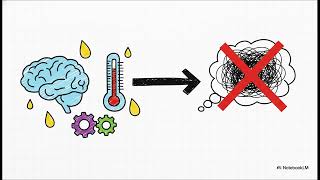
What causes hot flushes and why do they happen? | WHC Clinical FAQ

Does reducing or eliminating caffeine and alcohol actually decrease the frequency of hot flushes?
Women’s Health Clinic FAQ
Do hot flushes cause face redness and flushing?
Visible symptoms can be especially distressing because they affect confidence and can draw attention in social or work settings. A good answer should recognise that the redness is both physiologically understandable and emotionally significant.
Direct answer
Yes, hot flushes commonly cause facial redness and visible flushing. The sudden heat surge often affects the face, neck and chest, so the skin can look redder while the episode is happening. Some women flush obviously; others feel hot without much visible colour change. The presence or absence of redness does not determine how real or severe the symptom is, but a very persistent red face outside clear episodes should be considered separately.
It also helps women understand that not every flush needs to look dramatic to count, and not every persistently red face is necessarily menopause. You can book a menopause consultation if you want a more structured review of what is driving the pattern.
Educational only. Clinical suitability must be confirmed following an appropriate consultation and assessment by a qualified healthcare professional. Results vary. Not a cure.
At a glance
Visible flushing is a common part of the hot-flush picture, especially in the face, neck and upper chest.
Diagnostic Differentiators
Key physical and clinical parameters
Visible redness?
often, yes
Common areas
face, neck and chest
No redness means?
not “not real”
Persistent redness?
review separately
Critical Progressive Risk
Educational only. Hot flushes are usually menopause-related vasomotor symptoms, but age, trigger pattern, medication history and associated symptoms still need to be interpreted clinically.
Why the visible change matters to women
A flush is not only about internal heat. The visible redness can make the symptom feel socially exposing, particularly at work or in conversations where women do not want attention drawn to it.
Key Overlapping Symptom Triggers
That is why the emotional burden can be out of proportion to how short the episode is.
Redness often accompanies the heat surge
The same vasomotor change that makes you feel hot can also produce visible facial or upper-body flushing.
Severity and visibility do not perfectly match
Some women feel very hot with little visible change, while others flush noticeably even with moderate symptoms.
The symptom is usually episodic
Flush-related redness typically comes and goes with the episode rather than staying constant all day.
Persistent redness needs context
A face that stays red outside clear hot-flush episodes may point toward another explanation and should not be assumed to be hormonal.
Most useful reassurance
Visible flushing is common and understandable in hot flushes.
You do not need dramatic redness for the symptom to be genuine or worth addressing.
Why this matters
Women often minimise visible flushing because it feels cosmetic, when in fact it can affect confidence, concentration and social comfort substantially.
Embarrassment can worsen the symptom burden
Worrying about being visibly red can make episodes feel even more disruptive.
Work and social settings matter
Visible flushing can change how women manage meetings, clothing, makeup and personal interactions.
Variation is normal
Different skin tones and symptom patterns mean redness will not look the same in every woman.
Persistent skin change still needs review
Menopause should not become the default explanation for every long-lasting facial redness pattern.
Why the symptom pattern matters
A “hot flush” is only one part of the story. Timing, frequency, night sweats, medication triggers and overall health all affect what the safest explanation is.
Good menopause care is not about minimising symptoms. It is about working out whether you need reassurance, a structured self-management plan, or a more active treatment conversation.
How to interpret visible flushing
Notice whether the redness arrives with the heat surge, how long it lasts, and whether you return to baseline between episodes.
Helpful benchmark
Redness that tracks with a hot flush and settles is more reassuring than redness that stays put all day.
Notice the body area
Face, neck and upper chest involvement is common and can support the hot-flush interpretation.
Look for heat and sweat alongside redness
Visible colour change is more useful when it clearly travels with the rest of a flush pattern.
Plan practical coping
Cooler environments, layered clothing and fast access to water or a fan can reduce distress in public settings.
Review persistent skin change
If redness is long-lasting or unrelated to heat episodes, consider a separate skin or medical review.
Practical takeaway
Visible flushing is a common expression of a hot flush, not a sign that you are overreacting.
The main clinical clue is whether it behaves like an episode and then settles.
Common misconceptions
Visible symptoms invite unhelpful assumptions.
Myth: If your face goes red, the flush must be severe.
Reality: visible redness and subjective severity do not always correlate perfectly.
Myth: If no one can see it, it is not a real hot flush.
Reality: many women feel intense heat or sweating without dramatic visible colour change.
Myth: Facial flushing in menopause is purely cosmetic.
Reality: the symptom can affect confidence, work comfort and emotional wellbeing as well as physical comfort.
A visible symptom still deserves respect
Social discomfort and self-consciousness are legitimate parts of the burden and should not be waved away.
What to do next
If visible flushing is frequent or upsetting, track the pattern and think about both practical strategies and treatment options.
When you can try self-management and when to get checked
Hot flushes are common, but the wider symptom pattern tells you whether home measures are enough or whether a review would be safer.
Typical menopausal pattern
Symptoms fit a recognisable flush-with-visible-redness pattern and improve with cooling measures, trigger reduction or the right menopause support.
No systemic red flags
There is no unexplained weight loss, high temperature, persistent cough, diarrhoea or other signs of a more general illness.
No concerning bleeding
You do not have bleeding after 12 months without periods, or new bleeding that feels out of keeping with your usual cycle change.
Symptoms are reviewable, not overwhelming
Sleep, work and daily life are affected but still manageable enough for you to monitor patterns and discuss options calmly.
Reassuring Signs Matrix (Green Flags)
Reasonable first steps often include:
Indicators to Pause and Re-Evaluate (Red Flags)
Arrange a medical review sooner if you notice:
Signs Demanding Immediate Clinical Evaluation
Most hot flushes are not dangerous, but repeated night sweats, very disruptive symptoms or an unclear diagnosis deserve proper assessment rather than endless self-management. Access NHS 111 Support
Do not miss another cause
Night sweats and sudden heat can overlap with anxiety, medicines, infection, thyroid disease and other medical problems, so context matters.
Severe sleep loss matters
If repeated flushes are breaking your sleep, mood or concentration, treatment decisions should move beyond “just put up with it”.
Earlier symptoms need thought
Hot flushes before the usual menopause age can still be real, but they may need earlier review for induced or early menopause.
Escalate unusual patterns
Seek urgent help if heat episodes come with collapse, chest pain, or signs of significant illness instead of a straightforward menopausal pattern.
This safety and escalation advice is purely educational and does not replace emergency medical care. If you are experiencing severe, worsening pain, heavy active bleeding, signs of systemic infection, acute urinary retention, or sudden incontinence, please contact NHS 111, your local GP, or an urgent care centre immediately.
Deep Clinical Context & Common Patient Inquiries
Why some women find this symptom especially hard
A visibly red face can feel exposing in a way that internal heat does not. It may be obvious in conversation, in meetings or while teaching, presenting or caring for others. That can create a second layer of distress on top of the physical symptom itself.The emotional impact is part of the clinical burden.Why visibility varies
Not every flush looks dramatic, and not every woman’s skin will show the change in the same way. That is why visible redness should be treated as one possible feature of the pattern, not the only proof that a hot flush is happening.Absence of dramatic redness does not invalidate the experience.When to think about another explanation
If redness is persistent rather than episodic, or no longer tracks with heat surges, step back and reassess. If you want help working out whether the pattern still fits menopause, it is sensible to discuss visible flushing with the WHC clinical team.Authoritative UK Clinical Resources
Access peer-reviewed guidance from national healthcare bodies to support your understanding of pelvic health conditions.
Symptoms of menopause and perimenopause - NHS
NHS menopause symptom guidance covering the classic hot flush symptom cluster, including facial or upper-body heat sensations.Read NHS guidance
Recommendations | Menopause: identification and management | NICE
Current NICE recommendations reinforcing the need to interpret visible flushing within the wider symptom pattern and impact.Read NICE guidance
Things you can do to help menopause and perimenopause symptoms - NHS
NHS self-management guidance that supports practical cooling strategies for women troubled by visible flushing in daily life.Read NHS guidance
Next step
Schedule a Confidential Specialist Evaluation
If hot flushes are leaving you visibly flushed and it is affecting confidence or daily comfort, WHC can help you review both the symptom pattern and management options.
Clinical reference materials used for this FAQ
- Symptoms of menopause and perimenopause - NHS
- Recommendations | Menopause: identification and management | NICE
- Things you can do to help menopause and perimenopause symptoms - NHS
- Treatment for menopause and perimenopause - NHS
- Menopause: A healthy lifestyle guide - Cambridge University Hospitals NHS Foundation Trust
Educational only. Individual treatment suitability can only be determined by a qualified professional after a thorough consultation and assessment. Results vary. Not a cure.
