


20 Menopause Intimate Symptoms: Five-Zone Map
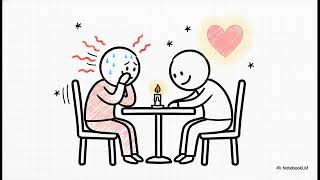
How do you navigate dating, new relationships, and disclosing menopause sym... | WHC Clinical FAQ

How do you navigate dating, new relationships, and disclosing menopause symptoms?
WHC signature visual-navigation editorial
The Menopause Intimate Health Map: 20 Symptoms That May Be Connected
From vaginal dryness and vulval burning to urgency, UTIs and painful sex—a map of what may connect and what may not.
One symptom is discussed with a pharmacist, another with a GP, and another never mentioned. What if they belong on the same map?
Key takeaways
- One body can produce symptoms across five connected systems.
- The vulva and vagina are not the same anatomical area.
- GSM may connect vulval, vaginal, urinary and sexual symptoms, but it cannot explain everything.
- Pelvic-floor dysfunction can involve guarding or poor relaxation as well as weakness.
- Painful sex is a symptom, not a diagnosis or an obligation to continue.
- Bleeding, skin change, deep pain and persistent or recurrent symptoms need assessment.
- The symptom tells you where to look—not necessarily what the diagnosis is.

One body. Five connected systems. Twenty symptoms that may overlap.
A map shows possibilities—not a diagnosis
GSM may connect vulval, vaginal, urinary and sexual symptoms. Pelvic-floor responses may add another layer.
The same symptoms can also come from infection, skin disease, bladder conditions or pelvic pathology. Location and pattern guide assessment.
Zone 1 — Vulva
1. Burning
GSM-related irritation, dermatitis, infection, skin disease or persistent vulval pain may contribute. Notice whether the sensation is spontaneous or follows urine, touch, washing, exercise or sex. Persistent burning, visible change or repeated treatment failure warrants examination because location and appearance help separate tissue irritation from infection, skin disease and persistent vulval pain.
2. Itching
Dryness can itch, but candidiasis, dermatitis, lichen sclerosus and other conditions also matter. Ask whether there is discharge, a rash, night-time disturbance or a new product exposure. Menopause-related dryness is possible, but itching alone cannot distinguish GSM from candidiasis, dermatitis or a vulval dermatosis, so recurring symptoms should not automatically trigger another antifungal course.
3. Soreness or tenderness
Friction, fragile tissue, inflammation, irritation or pain sensitisation may make touch uncomfortable. Tenderness may be superficial, focal or widespread and may occur without an obvious lesion. Recording whether sitting, clothing, wiping or penetration triggers it helps an assessment consider fragile tissue, inflammation, skin disease, muscle guarding and persistent vulval pain.
4. Skin change or fissuring
Colour, texture, architecture, ulcers or recurring “paper-cut” splits need examination rather than automatic thrush treatment. Use a mirror only if comfortable, and note rather than self-diagnose changes in colour, texture or shape. Persistent whitening, thickening, erosions, ulcers, loss of normal architecture or recurring splits deserve clinical assessment; menopause must not become a reason to overlook a dermatosis.
Zone 2 — Vagina
5. Dryness
Menopause-associated tissue change is common, while medicines, breastfeeding, cancer treatment and other factors can also reduce moisture. Dryness may feel like friction, tightness, irritation or reduced moisture rather than simply an absence of discharge. Timing, medicines, hormonal context and examination may help. Symptoms can persist despite systemic HRT because local genitourinary tissues may need their own assessment and treatment discussion.
6. Reduced lubrication
Lubrication is one physical response and is not a direct measure of desire, attraction or relationship quality. Reduced lubrication can coexist with desire and arousal, and it is not a verdict on attraction. Ask whether more time, a suitable lubricant or local treatment changes comfort. Ongoing pain still deserves assessment rather than being attributed solely to insufficient arousal.
7. Entry pain
Pain at the opening may involve fragile tissue, fissures, infection, scar tissue, a dermatosis or pelvic-floor guarding. Entry pain is different from pain felt deep in the pelvis. Describe whether it occurs at first touch, stretching or after penetration, and whether burning lingers. This pattern can direct attention towards tissue fragility, fissuring, skin disease, infection, scar tissue or pelvic-floor guarding.
8. Spotting or bleeding
Fragile tissue can bleed, but bleeding after sex or any postmenopausal bleeding must be assessed. Do not assume that blood comes from fragile vaginal tissue without assessment. Note whether it follows sex, occurs between periods or appears after menopause. Even a small, one-off episode of postmenopausal bleeding should be checked through an appropriate clinical pathway.
9. Altered discharge or odour
GSM can change secretions, while BV, infection, irritation, a retained foreign body and other causes may need consideration. The amount, colour, consistency and smell of discharge can change for several reasons. GSM may alter the local environment, but bacterial vaginosis, candidiasis, sexually transmitted infection, irritation and other causes require different management. New blood-staining or persistent offensive discharge needs review.
Zone 3 — Bladder and urethra
10. Urgency
A sudden compelling need to urinate may occur with overactive bladder, infection, GSM or other irritation. Urgency describes a compelling need that is difficult to defer, not merely choosing to urinate often. Record triggers, leakage and fluid patterns. Infection, overactive bladder and genitourinary tissue irritation can overlap, so a symptom diary and appropriate urine testing may clarify the pattern.
11. Frequency
Urinating more often can relate to bladder storage, fluid intake, caffeine, medicines, diabetes or infection. Frequency is meaningful only in context: fluid intake, caffeine, medicines, work habits and bladder volume all matter. Note whether small or normal volumes are passed and whether pain or urgency accompanies them. New persistent frequency may also prompt consideration of diabetes or other health conditions.
12. Nocturia
Waking to pass urine may reflect bladder storage, sleep disruption, fluid redistribution, medicines or wider health. Count waking episodes only when the need to urinate wakes you, rather than urinating because you are already awake. Sleep disturbance, evening fluids, swelling, medicines and bladder storage may contribute. A short bladder diary helps show which part of the pattern needs attention.
13. Burning when passing urine
Bacterial cystitis is one cause; urine touching sore vulval tissue or urethral irritation can also burn. Describe whether burning is felt internally during urine flow or externally when urine contacts sore skin. A urine sample may help assess bacterial infection, while vulval examination may reveal irritation or fissuring. Fever, flank pain or feeling acutely unwell requires prompt clinical advice.
14. Recurrent UTI or UTI-like symptoms
Confirmed recurrence and repeated symptoms with negative tests are different patterns that need different review. Keep a record of cultures, organisms, antibiotics and symptom response where possible. Recurrent confirmed infection is not the same as recurrent burning with negative results. Both deserve care, but their investigation and prevention pathways may differ, particularly in the menopause context.
Zone 4 — Pelvic floor
15. Stress leakage
Leakage with coughing, sneezing, laughing, running or lifting reflects pressure-related continence mechanics. Stress leakage is usually linked to a rise in abdominal pressure. Note the activities, amount and frequency rather than assuming that all leakage means the same thing. NICE recommends supervised pelvic-floor muscle training for stress or mixed patterns after appropriate assessment.
16. Urge leakage
Leakage after a compelling urge belongs to an urgency pattern and is not the same as stress incontinence. Urge leakage follows or accompanies a compelling urge and can occur before reaching the toilet. Triggers, frequency and fluid patterns can help distinguish it from stress leakage. Bladder training is a recognised first-line approach for urgency or mixed incontinence, tailored to the individual.
17. Tension or difficulty relaxing
A pelvic floor can be overactive or poorly coordinated as well as weak; pain may trigger protective guarding. Clenching can be an unconscious response to pain, fear of leakage or previous uncomfortable penetration. Difficulty starting urine flow, emptying, using tampons or tolerating examination may offer clues. More strengthening is not automatically helpful when relaxation and coordination are the problem.
18. Pelvic pressure or support symptoms
Heaviness, a bulge sensation or incomplete emptying may suggest prolapse or another support problem requiring assessment. Pressure may be described as heaviness, dragging, a vaginal bulge or incomplete bladder or bowel emptying. Symptoms can vary through the day and with lifting or constipation. Examination can assess prolapse and other causes; a map cannot determine the source of pressure.
Zone 5 — Sexual function
19. Pain during penetration
Pain may be at entry or deep, with tissue, skin, muscle, infection, scar or pelvic causes. Separate entry pain from deep pain and note whether discomfort is immediate, positional or delayed. There is no obligation to continue through pain. Diagnosis-led care may need to address vulvovaginal tissue, skin, infection, scar, muscle guarding or a deeper pelvic cause.
20. Reduced comfort, altered sensation or avoidance
Desire, arousal, lubrication, sensation and orgasm can change independently; avoidance may be protection from pain, not rejection. Comfort, sensation, desire, arousal, lubrication and orgasm are related but distinct. Pain can understandably lead to anticipation, avoidance or changes in intimacy. A useful consultation asks which element changed, whether that change is distressing and what outcome the woman actually wants.
Why an intimate-health map is useful
One symptom may be discussed with a pharmacist, another with a GP, and another never mentioned because it feels embarrassing. The vagina, vulva, urethra, bladder, pelvic floor and sexual response are close neighbours rather than separate universes. A map helps show where symptoms may cluster.
Genitourinary syndrome of menopause, or GSM, can connect vulvovaginal dryness, irritation, painful sex and urinary discomfort through menopause-associated tissue change. Pelvic-floor responses can add a second layer, and genuine infection or skin disease may coexist.
Connection is not proof. The same word—burning, pressure, soreness—can describe different mechanisms. A map helps a reader describe the pattern and find the right clinical doorway; it cannot make the diagnosis.
First orient yourself: vulva is not vagina
The vulva is external: the labia, clitoris, skin around the vaginal and urethral openings, and nearby structures. The vagina is the internal canal beginning at the vaginal opening. The urethral opening is separate and leads towards the bladder.
The pelvic floor is a group of muscles and connective tissues supporting pelvic organs and contributing to continence, emptying and sexual function. It must contract and relax in a coordinated way. Sexual response involves the nervous system, blood flow, hormones, context, desire, arousal, lubrication, sensation and comfort.
Location changes the clinical question. Vulval itching may suggest a skin or infection assessment; deep penetration pain raises different possibilities from burning at the opening; urinary urgency is not automatically a UTI.
The five-zone map
The 20 symptoms below are arranged by the place or system they most obviously belong to. That does not mean each symptom has only one cause. Burning can be felt at the vulva, vagina or urethra; pain can recruit the pelvic floor; urinary fear can affect sexual activity.
Nor does anyone need to have all twenty symptoms. One symptom can be important. Several can cluster through GSM or another shared process, while apparently connected symptoms may turn out to have separate diagnoses.
Use the map to record where, when and how symptoms occur. Note what triggers them, what accompanies them, whether tests confirmed infection and what treatment changed. This produces better information than ticking boxes alone.
How the zones may connect
Lower oestrogen can alter epithelial maturation, moisture, elasticity and the local vaginal environment. The vulva, vagina and lower urinary tract contain oestrogen-responsive tissues, so dryness, irritation, painful sex and urinary discomfort can appear within one GSM picture.
Pain can create protective pelvic-floor guarding. A tender opening makes penetration hurt; the nervous system anticipates pain; muscles tighten; pressure increases; and discomfort is reinforced. This is a physical protective response, not proof that pain is imagined.
Urinary symptoms can also change behaviour. Recurrent urgency, leakage or fear of UTI may reduce intimacy or produce muscle tension. Conversely, sexual activity can trigger symptoms in some people. These relationships are possible pathways, not universal explanations.
More than one condition may coexist. GSM does not rule out bacterial UTI, BV, candidiasis, lichen sclerosus, dermatitis, prolapse, overactive bladder or pelvic pathology. Treating one layer may reveal another rather than invalidate the first diagnosis.
What the map does not tell you
The map cannot determine that menopause caused a symptom simply because it began after forty. Timing is relevant, but medicines, infection, dermatological disease, diabetes, cancer treatment, childbirth, surgery, neurological conditions and other gynaecological or urinary disorders may matter.
It cannot diagnose infection from burning or discharge. Candida can colonise without causing thrush, and UTI-like symptoms can occur without bacterial cystitis. Repeated empirical treatment deserves review when symptoms recur or tests do not support the assumed diagnosis.
It cannot classify every pelvic-floor problem as weakness. Stress leakage may respond to supervised muscle training, while pain or difficulty emptying may involve overactivity or poor relaxation. Assessment should establish what the muscles are doing.
It cannot normalise bleeding. Tissue fragility is one possible explanation, but bleeding after sex, bleeding between periods or postmenopausal bleeding requires clinical assessment.
GSM: one possible bridge across zones
NICE defines menopause-associated genitourinary symptoms to include vulvovaginal dryness, pain with sex, discomfort or irritation, and discomfort or pain when urinating. The British Menopause Society describes effects across the vulva, vagina, bladder and urethra.
NICE recommends offering vaginal oestrogen for these symptoms, including to people already using systemic HRT. It can be combined with non-hormonal moisturisers or lubricants. Treatment choice, history, preferences, bleeding and breast-cancer context require individual discussion.
A response to vaginal oestrogen can support the idea that local tissue change mattered, but it does not prove every symptom was GSM. Persistent pain may reflect pelvic-floor guarding, skin disease, fissuring, infection or a deeper pelvic cause.
Bladder symptoms need their own names
Urgency, frequency, nocturia, dysuria and leakage describe different experiences. Urgency is a sudden compelling need to urinate; frequency means passing urine more often; nocturia means waking from sleep to urinate. Dysuria means pain or burning with urination.
Stress incontinence is leakage with pressure such as coughing or exercise. Urge incontinence is leakage associated with urgency. Mixed incontinence contains both patterns. NICE recommends supervised pelvic-floor muscle training as first-line care for stress or mixed incontinence and bladder training for urgency or mixed incontinence.
Recurrent UTI has a specific definition: at least two infections in six months or three in twelve months. NICE says vaginal oestrogen may be considered in the relevant menopause context when behavioural and personal measures are ineffective or inappropriate; systemic HRT should not be offered specifically to prevent recurrence.
Pelvic floor: not simply strong or weak
The pelvic floor supports the pelvic organs, helps close the urethra, contributes to bowel and bladder emptying and participates in sexual function. It needs strength, endurance, timing and the ability to relax.
Childbirth, ageing, chronic cough, constipation, surgery, connective tissue, pain and neurological health may influence function. Menopause occurs within this life-course context rather than replacing it.
For leakage, supervised training can improve strength and coordination. For pain or guarding, treatment may focus on relaxation, breathing, movement, desensitisation and graded rehabilitation. A generic instruction to perform more contractions can be wrong for an already overactive floor.
Pelvic pressure, a vaginal bulge, difficulty emptying the bladder or bowel, or worsening support symptoms deserve assessment for prolapse and other causes. These are not automatically GSM.
Sexual function: separate the moving parts
Desire is interest in sexual activity. Arousal includes mental and physical response. Lubrication is one physical component, while sensation, orgasm and comfort are further dimensions. They influence one another without moving in lockstep.
A woman can desire sex and still have dry or fragile tissue. She can lubricate yet experience entry pain from a dermatosis, fissure or pelvic-floor guarding. Avoidance may be a reasonable response to pain rather than low libido or rejection of a partner.
No one should feel obliged to push through pain or choose penetration. Intimacy does not have to centre on intercourse, and not everyone wants sexual activity. If comfortable penetration is a personal goal, diagnosis-led care can address tissue, skin, infection, muscle and deeper pelvic factors.
When symptoms deserve assessment
Arrange assessment for persistent, worsening or unexplained symptoms; recurrent treatment failure; visible vulval colour, texture or architectural change; ulcers, lesions or fissures; unusual discharge; recurrent confirmed UTI or repeated UTI-like symptoms; deep pelvic pain; or pressure and prolapse symptoms.
Bleeding during or after sex, bleeding between periods and any bleeding after menopause should be checked. NHS guidance says postmenopausal bleeding should be assessed even if it happened only once or is a small amount.
Urgent care may be required for severe sudden pelvic pain, heavy bleeding, fainting, fever, flank pain, inability to pass urine or feeling systemically unwell. The appropriate route depends on context and severity.
A useful consultation asks where the symptom is, what it feels like, when it occurs, what accompanies it and what has already been tried. Examination or tests may help, but their purpose and alternatives should be explained and consent remains essential.
How to use the map at an appointment
Mark symptoms by zone and add timing. Is burning external, internal or mainly when urine touches skin? Does pain occur at entry or deep? Does leakage follow coughing or urgency? Does discharge change with treatment or sexual activity?
Bring information about HRT, vaginal treatments, moisturisers, lubricants, skin products, antibiotics, antifungals and other medicines. If infection has been suspected repeatedly, note whether samples confirmed it and whether the same organism recurred.
Decide what matters most to you. The priority may be sleeping without nocturia, stopping recurrent soreness, understanding bleeding, returning to comfortable sex or reducing leakage. Treatment should follow diagnosis and personal goals rather than a checklist score.
One body can produce symptoms across five connected systems. The map makes those relationships visible while leaving room for uncertainty—the quality that makes it clinically safer, not less useful.
A closer look at vulval clues
Vulval symptoms deserve vulval language. Burning, itching and soreness may sound interchangeable, yet their triggers and visible findings can differ. A clinician may ask about washing products, pads, continence, sweating, medicines, skin conditions elsewhere on the body, previous infection results and whether symptoms disturb sleep.
Examination can look for fragile or inflamed tissue, fissures, erosions, pigment or architectural change. RCOG guidance emphasises that several skin conditions affect the vulva and that persistent symptoms may require diagnosis-specific care. Repeatedly calling every itch thrush can delay that assessment.
GSM remains one possible contributor, especially where dryness and irritation sit beside vaginal or urinary symptoms. It may also coexist with dermatitis, lichen sclerosus, candidiasis or persistent pain. Improvement in one layer does not establish that every symptom shared the same cause.
A closer look at vaginal clues
Vaginal dryness is sometimes obvious, but women may instead report tightness, friction, reduced stretch, burning after sex or a change in lubrication. The symptom may affect daily comfort, examination, tampon use or penetration. It can occur within GSM, while medicines, breastfeeding, cancer treatment and other hormonal contexts also matter.
Discharge needs description rather than a menopause label. Amount, consistency, colour, odour, irritation and blood-staining help guide the differential. Testing may be useful when infection is plausible, but a result must be interpreted with the clinical picture; detecting an organism does not always prove that it caused every symptom.
Bleeding sits outside a reassurance-only map. Fragile tissue may bleed with contact, but postmenopausal bleeding and unexplained bleeding during or after sex require assessment. The map can show where bleeding was noticed; it cannot safely establish its source.
A closer look at urinary clues
The lower urinary tract has its own vocabulary. Urgency, frequency and nocturia describe storage symptoms; dysuria describes pain or burning; stress and urge leakage describe different continence patterns. Naming the experience accurately is more useful than saying only that the bladder has become weak.
A bladder diary can record drinks, toilet visits, approximate volumes, urgency and leakage for several ordinary days. Urine testing may be appropriate when infection is suspected. Recurrent UTI is defined by repeated episodes over time, so previous culture results and treatment responses can be important evidence.
NICE places vaginal oestrogen within the prevention discussion for recurrent UTI in the relevant menopause context when behavioural and personal measures are ineffective or inappropriate. That recommendation does not turn every episode of urgency or burning into infection, nor every recurrent infection into GSM.
A closer look at pelvic-floor clues
Pelvic-floor function is a coordination task. The muscles contribute to closure during coughing, support during movement, relaxation for bladder and bowel emptying, and comfort during penetration. A floor can have reduced strength or endurance, delayed timing, excessive activity, tenderness or difficulty letting go.
This is why the same generic exercise advice cannot suit everyone. Supervised pelvic-floor muscle training is first-line care for selected stress or mixed incontinence patterns. Pain, guarding or obstructed emptying may instead call for assessment of relaxation, breathing, movement and muscle coordination.
Pressure or a bulge sensation adds a support question. Prolapse can coexist with urinary, bowel or sexual symptoms, but symptom intensity does not always mirror examination findings. Personal goals—comfort, exercise, continence, emptying or sexual function—help shape appropriate conservative or specialist care.
A closer look at sexual-function clues
Sexual function is not a single switch. Desire can be present when lubrication is reduced; arousal can occur while penetration remains painful; orgasm can change without loss of attraction. Relationship context, sleep, mood, medicines, body image, previous pain and wider health can influence the experience alongside genitourinary tissue change.
The location of pain is particularly informative. Pain at the opening may direct attention towards tissue, skin, fissures, infection, scar or pelvic-floor guarding. Deep pain raises different pelvic questions. Pain that continues after sex may add further information about irritation or muscle response.
Care should begin with the woman's goals and consent. Penetration is not required, and stopping an activity that hurts is reasonable. Where comfortable penetration is desired, a staged approach can address the relevant tissue, skin, infection, pelvic-floor and psychosexual factors without implying that the problem is imagined.
From symptom map to clinical pathway
A map is most useful when it improves the next conversation. Start with the main symptom and location, then add onset, timing, triggers, associated features and what has already been tried. Include examination or test findings where known rather than describing every previous episode simply as thrush or UTI.
The next step may be primary care, sexual health, gynaecology, urogynaecology, dermatology, pelvic-health physiotherapy or urgent assessment, depending on the pattern. Referral is not a judgement that symptoms are unusually severe; it is a way of matching the question to the relevant expertise.
Treatment should follow the working diagnosis and the woman's priorities. Options may include avoiding irritants, moisturisers or lubricants, vaginal oestrogen where appropriate, infection-specific treatment, bladder training, supervised pelvic-floor rehabilitation or condition-specific specialist care. This article does not select among them for an individual.
Review matters because symptoms and diagnoses can evolve. Partial improvement may mean that one contributing layer responded while another remains. No response may prompt reconsideration of the diagnosis, adherence, technique, dose, duration or an alternative cause rather than repeated unsupervised treatment.
A symptom diary that preserves the connections
A short diary can make a fragmented story easier to see. Record the zone, exact sensation and time of day, then note urination, bowel activity, exercise, clothing, washing products, sexual activity, treatment and the menstrual or menopause context. A few representative days are often more useful than an exhaustive record that cannot be sustained.
For urinary symptoms, add drinks, toilet visits, urgency and leakage. For pain, distinguish touch, entry and deep pain and use ordinary descriptive words rather than forcing a score. For discharge or bleeding, record what was seen and when, while seeking assessment when warning features apply.
The purpose is not self-surveillance or self-diagnosis. The diary is a communication tool. It can reveal whether symptoms travel together, follow different triggers or respond differently—information that helps a clinician test, examine and prioritise more thoughtfully.
Questions the map should prompt—not answer
Could GSM be connecting several zones, or is a skin condition, infection, bladder disorder, prolapse or pelvic condition a better explanation? Are two conditions coexisting? Does the pelvic floor appear weak, poorly timed, overactive or protective? Which symptom is most disruptive and which requires the most urgent exclusion?
Those questions protect against two opposite errors. The first is fragmentation: treating every symptom as unrelated and missing a shared process. The second is over-unification: assigning every intimate symptom after menopause to low oestrogen and overlooking a separate diagnosis.
Good clinical reasoning can hold a provisional pattern without turning it into certainty. That is the central value of the five-zone map. It gives women a clearer vocabulary and clinicians a more connected history while keeping examination, testing, review and red-flag pathways in their proper place.
What improvement can—and cannot—tell you
A symptom that improves after a treatment offers useful information, but response alone rarely proves a diagnosis. A moisturiser may reduce friction without identifying why tissue was dry. An antifungal cream may soothe because its base protects irritated skin, even when candidiasis was not the main cause. An antibiotic response can be difficult to interpret when symptoms naturally fluctuate.
The same caution applies to hormone treatment. Improvement with vaginal oestrogen supports the possibility that local menopause-associated tissue change contributed, yet a remaining itch, fissure, deep pain or urgency may have another cause. Partial response can be a clue to more than one layer rather than evidence that the original account was wholly right or wrong.
Record what changed, how quickly, for how long and which symptom did not change. Clinicians can then combine treatment response with the history, examination and relevant tests. This prevents a useful therapy from becoming an all-purpose diagnostic test and reduces cycles of repeated empirical treatment.
Frequently asked questions
Can menopause affect the vulva, vagina and bladder together?
Yes. Oestrogen-responsive tissues span these areas, and GSM can produce overlapping symptoms. Infection, skin disease and other causes may coexist.
Can menopause cause burning or itching?
It may contribute through dryness and irritation, but candidiasis, dermatitis, lichen sclerosus and other causes also need consideration.
Can menopause cause urinary urgency?
Menopause-associated tissue change may contribute, but urgency can also occur with infection, overactive bladder and other conditions.
Are recurrent UTI-like symptoms always infections?
No. Confirmed bacterial recurrence and repeated symptoms without confirmation are different patterns. GSM, vulval irritation and other causes can mimic infection.
Is painful sex always dryness?
No. Tissue fragility, skin disease, infection, fissures, scar tissue, pelvic-floor guarding and deep pelvic conditions may contribute.
Are pelvic-floor exercises always helpful?
Not without knowing the problem. Strengthening helps selected weakness and leakage patterns; an overactive or guarding floor may need relaxation and coordination.
What symptoms should not be ignored?
Postmenopausal bleeding, persistent skin change, ulcers, severe or deep pain, unusual discharge, recurrent treatment failure and systemic illness require assessment.
