



Who Is an Ideal Candidate for Non Surgical #VaginalTightening Treatment
Can Switching Medication Fix Low Libido & Painful Sex? Safe Steps & Script.
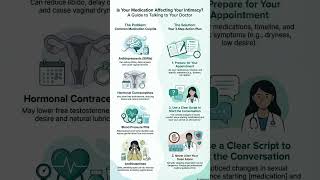
Can Switching Medication Fix Low Libido & Painful Sex? Safe Steps & Script.
Women’s Health Clinic FAQ
Can overtightening from treatment cause new sexual problems?
Women often ask this after being told that “tighter” automatically means “better”, even though the pelvic floor also needs to relax well.
Direct answer
Yes, treatment that leaves the pelvic floor or vaginal entrance too tight can create new sexual problems, especially painful penetration, burning, guarding or difficulty relaxing enough for sex to feel comfortable. This can happen after an over-corrective approach, after scarring or when pelvic floor exercises are pushed in someone who already has pelvic floor tension rather than weakness alone. The goal of treatment should be balanced support and control, not maximum tightness. If sex becomes more painful after treatment, the answer is reassessment rather than simply doing more squeezing.
A safer clinical answer is that over-tightness can be a problem in its own right, particularly when pain, fear of penetration or pelvic floor guarding are already part of the picture. You can book a pelvic floor assessment if you want a clearer clinical explanation of symptom stage, risk factors and management choices.
Educational only. Clinical suitability must be confirmed following an appropriate consultation and assessment by a qualified healthcare professional. Results vary. Not a cure.
At a glance
The pelvic floor has to support and release. If treatment pushes one side of that balance too far, sexual comfort can worsen rather than improve.
Diagnostic Differentiators
Key physical and clinical parameters
Possible consequences
painful penetration, burning, guarding or reduced sexual comfort
More likely if
tension, scarring or pain were already part of the picture
Treatment aim should be
balanced support plus the ability to relax
Next step if sex worsens
reassess the pelvic floor rather than intensify the same plan
Critical Progressive Risk
Educational only. Pelvic organ prolapse, pregnancy-related symptoms and activity choices still need individual assessment. Results vary, and conservative care or surgery should never be oversold as a universal cure.
Why “tighter” is not automatically better
Pelvic floor function depends on coordination. Muscles that only grip and do not release can create a different kind of dysfunction from weakness alone.
Key Overlapping Symptom Triggers
That is why a woman can seek help for support symptoms and then find that sexual comfort becomes the new problem if treatment ignores relaxation and pain physiology.
Pain can come from overactivity as well as weakness
The pelvic floor can be too tense, too reactive or difficult to relax, and that can make penetration painful even when support symptoms are also present.
Existing pain patterns matter before treatment starts
Women with vulval pain, guarding or fear of penetration may need a plan that protects relaxation rather than simply intensifying tightening work.
Scarring or over-correction may alter comfort
If treatment leaves tissues less flexible or the pelvic floor harder to release, sexual comfort may worsen rather than improve.
Reassessment is the right response
New pain after treatment is not a sign to keep squeezing harder. It is a sign to review what the pelvic floor is now doing.
The balanced answer
Over-tightening can create new sexual problems because the pelvic floor has to relax as well as support.
That is why outcome quality should be judged by function and comfort, not by a simplistic idea of maximum tightness.
Why this matters clinically
The same language that worries women about looseness can also oversimplify treatment into a “tighter is always better” message, which is poor pelvic floor medicine.
NICE treats pelvic floor function as more than contraction alone
Guideline-based care includes assessing whether a woman can relax as well as contract, which matters when pain or overactivity are possible.
NHS pain guidance shows tightening can itself be painful
Vaginismus and vulvodynia guidance help explain why guarding and painful entry can worsen when the pelvic floor cannot release well.
Sexual function is part of pelvic floor care
Comfort during sex matters; it should not be sacrificed in pursuit of a crude tightening goal.
Rehab may need a different emphasis
Some women need down-training, relaxation and pain-focused support rather than more strengthening.
Why the wider context matters
The same movement can feel fine for one woman and clearly aggravating for another, because prolapse symptoms depend on stage, tissue support, symptom load, pelvic floor control, breathing pattern and previous childbirth or surgery.
A helpful consultation should explain what is likely, what is uncertain, and where self-management ends and clinician-led review becomes more important.
Questions worth revisiting if sex has worsened
The main issue is whether the pelvic floor is now overactive, painful or less able to release, not whether you simply need more of the same treatment.
Useful benchmark
If sex became more painful, tighter or harder after treatment or exercise progression, reassessment should consider pelvic floor overactivity, scarring, vulval pain and fear-based guarding.
Ask whether the muscles release fully
A strong contraction is not enough if the pelvic floor cannot let go properly afterwards.
Ask whether pain was already part of the starting picture
Pre-existing pain often changes what strengthening alone can safely achieve.
Ask whether sexual comfort is being treated as an outcome
Support improvement is incomplete if treatment creates a new dyspareunia problem.
Ask whether the plan now needs relaxation work
Down-training and pelvic pain review may matter more than further tightening.
Better framing
Good pelvic floor treatment aims for useful support and comfortable release, not maximum tightness.
That balanced goal is safer for sexual function and more consistent with real pelvic floor physiology.
Common myths
These myths often normalise pain or disguise overactivity as if it were automatically a treatment success.
Myth: If treatment makes you tighter, that must be a good sign.
Reality: if sex becomes painful or the pelvic floor cannot relax, tighter may simply mean a new problem has been created.
Myth: Pelvic floor exercises can only help, not harm.
Reality: in a tense or painful pelvic floor, overemphasising tightening can aggravate the pattern.
Myth: Sexual pain after treatment just means you need more time.
Reality: new or worsening pain deserves reassessment, not blind perseverance.
Better frame
Judge treatment by support, comfort and release together.
Safer expectation
Pain after treatment is feedback, not proof the plan is working.
When a prolapse can be monitored and when to get reviewed
Activity advice should reduce downward pressure, not leave you frightened of movement or ignoring symptoms that are getting worse.
Symptoms are mild and predictable
You have pressure, dragging or a bulge sensation, but you are still emptying your bladder and bowel reasonably well and the symptoms settle with rest or symptom-aware changes.
Movement feels manageable
Symptoms stay mild when you choose lower-impact activity, breathe normally, avoid straining and use pelvic floor support strategies.
There is no red-flag bleeding or severe pain
There is no new bleeding from exposed tissue, severe vaginal pain, fever or sudden inability to pass urine.
You know when to ask for help
You are not trying to self-manage through worsening bladder emptying, repeated infections, ulceration, or symptoms that are clearly limiting day-to-day function.
Reassuring Signs Matrix (Green Flags)
Reasonable first steps often include:
Indicators to Pause and Re-Evaluate (Red Flags)
Arrange a medical review sooner if you notice:
Signs Demanding Immediate Clinical Evaluation
Prolapse is often not dangerous, but persistent bladder, bowel, pain or exposed-tissue symptoms should not be normalised away. Review becomes more important when function is changing. Access NHS 111 Support
Bladder emptying matters
Voiding difficulty, recurrent infections or needing to manually support the prolapse to pass urine or stool are reasons to seek assessment rather than endless self-management.
Symptoms can change after key life events
After childbirth, surgery, heavy strain or menopause-related tissue change, symptoms can become more intrusive and may justify a different management plan.
Conservative treatment is still treatment
Pelvic floor physiotherapy, symptom-aware activity changes and pessaries are legitimate management options, not a sign that your symptoms are being dismissed.
Seek urgent help if the picture is not straightforward
Severe pain, inability to pass urine, significant bleeding, or symptoms that feel out of keeping with a typical prolapse pattern need prompt medical review.
This safety and escalation advice is purely educational and does not replace emergency medical care. If you are experiencing severe, worsening pain, heavy active bleeding, signs of systemic infection, acute urinary retention, or sudden incontinence, please contact NHS 111, your local GP, or an urgent care centre immediately.
Deep Clinical Context & Common Patient Inquiries
When the problem may be tension rather than weakness
If penetration feels tighter, more guarded or more painful after treatment, the pelvic floor may now be over-recruiting rather than simply supporting better. That is especially plausible if there was already vulval pain, fear of penetration or pelvic floor guarding in the background.If you think tightening treatment has made sex less comfortable rather than more comfortable, you can review pelvic floor technique with the clinical team.Features that deserve a different plan
- burning or pain at the vaginal entrance
- fear, guarding or involuntary tightening with penetration
- pelvic floor exercises that seem to increase pain or tension
- a sense that release is harder even if support feels stronger
Authoritative UK Clinical Resources
Access peer-reviewed guidance from national healthcare bodies to support your understanding of pelvic health conditions.
Recommendations | Pelvic floor dysfunction: prevention and non-surgical management | NICE
NICE pelvic floor dysfunction guidance was used to keep contraction-and-relaxation balance central rather than reducing treatment to “more squeeze”.Read NHS guidance
Vaginismus - NHS
NHS vaginismus guidance was used to support careful wording around involuntary tightening, painful penetration and the role of relaxation when pelvic floor release is poor.Read NICE guidance
Vulvodynia - NHS
NHS vulvodynia guidance was used to keep entry pain, burning and pain-focused review in scope when sexual symptoms worsen after treatment.Read NHS guidance
Next step
Schedule a Confidential Specialist Evaluation
If treatment or pelvic floor work seems to have made sex tighter or more painful, WHC can help assess whether overactivity, pain or scarring now need a different approach.
Clinical reference materials used for this FAQ
Educational only. Individual treatment suitability can only be determined by a qualified professional after a thorough consultation and assessment. Results vary. Not a cure.
