



Can hormone therapy improve collagen response?

Does the pill affect collagen response after treatment?

Does the pill affect collagen response after treatment? | WHC Clinical FAQ
Healing support
Review timing
Delayed healing
Women’s Health Clinic FAQ
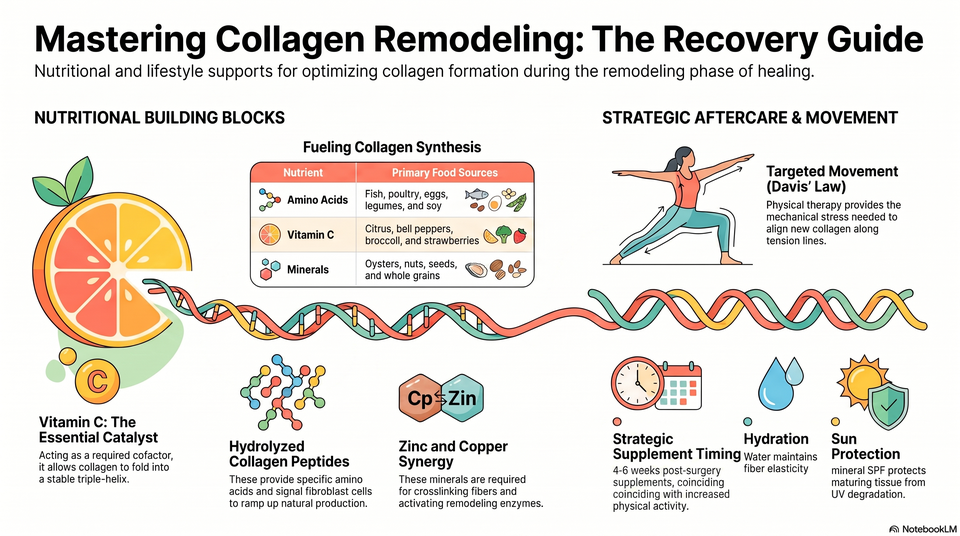
What aftercare supports collagen remodelling?
Good aftercare is mostly about protecting healing tissue, following clinic advice, supporting general health and reviewing symptoms at the right time.
Direct answer
Aftercare that supports healing is usually simple: follow clinic instructions, avoid irritation, support general health and attend review rather than trying to force collagen change. The safest interpretation separates general healing support from symptoms that need clinical review.
A balanced answer avoids supplement hype and explains when delayed healing, persistent symptoms or outcome concerns should be reviewed.
Educational only. Suitability and next steps should be confirmed after consultation. Results vary. Not a cure.

Healing review
At a glance
These are the main points to understand before deciding whether a symptom, product or activity is safe during recovery.
At a glance
Aftercare summary
Main area
Healing and follow-up
Pattern
Monitor and review
Watch for
Symptoms not improving
Next step
Book review if concerned
Important safety note
Persistent pain, discharge, bleeding, irritation, urinary symptoms, fever, worsening symptoms or failure to improve should be reviewed.
Nutrition
Review
Symptoms
Review
Detailed answer
The clinical answer
The answer starts by separating expected settling symptoms, red flags, clinic-specific aftercare, activity return, infection risk and delayed healing.
Healing support
The reader wants to know what is normal after treatment, what should be avoided, when symptoms need review and how to return to normal activities without disrupting healing.
Healing
Aftercare
Review
Healing support
Start with symptom severity and trend: mild and improving is different from severe, offensive, heavy, persistent or worsening.
Delayed healing
Follow clinic aftercare because treatment type, tissue response and personal risk factors can change advice.
Review timing
Avoid internal irritation, water exposure, friction, heat or heavy pressure while symptoms are active or uncertain.
Outcome assessment
Seek review if symptoms do not follow the expected pattern or if red flags appear.
How the research shapes the answer
The research supports treating this as a healing and follow-up question rather than a generic reassurance question.
The research synthesis shaped the structure, while final wording avoids resolved universal timelines, medication-stop advice, device hype, treatment ranking and overconfident healing claims.
Patient safety
Why this matters
Aftercare questions can sound small, but they affect comfort, infection risk, bleeding concerns, activity return and confidence during recovery.
It avoids supplement hype
General health supports healing, but no supplement can promise collagen change.
It identifies delayed recovery
Symptoms that persist or worsen need review.
It separates safety and outcomes
Early safety checks and later outcome review answer different questions.
It protects expectations
Healing and functional improvement do not always happen on the same timeline.
Clear thresholds reduce worry
Good aftercare does not mean ignoring symptoms; it means knowing which changes are expected and which need help.
A careful plan protects healing while helping patients return to normal activities gradually.
Considerations
What to consider
A consultation should connect symptoms, treatment details, clinic aftercare, infection risk, activity return, red flags and review timing.
Aftercare priorities
Track pain, bleeding, discharge, smell, urinary symptoms, fever, activity triggers, internal product use, bowel strain and whether symptoms are improving.
Triggers
Clinic advice
Red flags
Follow the aftercare plan
Clinic instructions should guide activity, sex, products and review.
Support general health
Hydration, nutrition and rest can support recovery without promising results.
Track delayed symptoms
Persistent pain, discharge, bleeding or urinary symptoms need review.
Plan review timing
Safety and outcome reviews may happen at different stages.
What not to assume
Do not assume every symptom is normal, or that one resolved date applies to every activity and every patient.
Timing depends on symptom pattern, treatment type, healing status, clinic instructions and whether symptoms are improving or worsening.
Common concerns and myths
Common misconceptions
These corrections keep aftercare practical, calm and safety-aware.
Myth: Collagen remodelling can be forced with supplements
Reality: general health can support healing, but it cannot promise collagen results or replace review.
Myth: Delayed healing is only a problem if there is severe pain
Reality: mild symptoms may settle, but severe, offensive, persistent or worsening symptoms need review.
Myth: Review is unnecessary if there are no dramatic symptoms
Reality: general health can support healing, but it cannot promise collagen results or replace review.
Symptoms have context
The same symptom can be more or less concerning depending on timing, severity, smell, bleeding, fever and whether it is improving.
Aftercare cannot force results
Healthy habits can support recovery, but they cannot promise collagen change, tightening or a specific outcome.
Safety checklist
Safety checklist
Use these checks before deciding whether to continue home care, pause an activity or seek advice.
Is the symptom worsening?
Worsening pain, bleeding, discharge, odour or urinary symptoms should be reviewed.
Is there fever or feeling unwell?
Fever, chills, feeling very unwell or offensive discharge can suggest infection.
Is there pressure or retention?
Urinary retention, faecal incontinence, new bulge or marked pelvic pressure needs advice.
Did activity trigger symptoms?
Bleeding, soreness or discharge after swimming, cycling, gym work or internal products should prompt a pause and review if persistent.
More reassuring signs
The situation is more reassuring when symptoms are mild, improving, not offensive-smelling, not heavy, and not associated with fever, urinary retention, severe pain or a new bulge.
Improving
No fever
Reasons to seek advice
Persistent pain, discharge, bleeding, irritation, urinary symptoms, fever, worsening symptoms or failure to improve should be reviewed.
Heavy bleeding
Retention
When to escalate
When to seek medical help
These symptoms should not be managed with general aftercare advice alone.
Use NHS 111 online
Infection symptoms
Fever, offensive discharge, pelvic pain, feeling very unwell or worsening soreness should be assessed.
Bleeding that needs review
Heavy, persistent, postmenopausal or worsening bleeding should be reviewed promptly.
Urinary, bowel or support symptoms
Urinary retention, faecal incontinence, a new bulge or marked pelvic pressure should be checked.
Emergency symptoms
Call 999 for life-threatening symptoms such as collapse, severe bleeding, chest pain, breathing difficulty or stroke-like symptoms.
Use NHS 111 for urgent advice or call 999 in a life-threatening emergency. This page is educational and does not replace individual medical assessment.
Additional clinical context
How to use this answer
Use this page to compare your symptoms with your clinic's aftercare instructions. The key question is whether symptoms are mild and improving, or persistent, severe, offensive, heavy, feverish or triggered by activity.What to bring to review
Helpful details include treatment date, symptoms, bleeding pattern, discharge, smell, urinary symptoms, fever, pain score, activities restarted, internal product use, constipation, coughing and whether symptoms are improving or worsening.Regulatory resources
Authoritative resources
These resources support advice on healing, nutrition, recovery principles, treatment uncertainty and post-treatment review.
Next step
Book a clinical consultation
A consultation can review healing progress, symptoms, aftercare, delayed recovery and when outcome assessment is meaningful.
▶ View Research Sources (12 Sources)
These 12 source names are selected from 12 display-ready sources, with a raw audit trail of 86 imported records. Additional reviewed material included UK clinical guidance, peer-reviewed clinical papers; duplicate, low-relevance and non-clinical records were removed before display.
Educational only. This information is for education only and is not a substitute for professional medical advice, diagnosis or treatment. Results vary. Not a cure.

