



Chronic systemic inflammation from rheumatoid arthritis alter the

Chronic systemic inflammation from rheumatoid arthritis alter the | WHC Clinical FAQ

Can chronic graft-versus-host disease cause vaginal mucosal dryness
Autoimmune context
Sicca-aware
Test limits
Women’s Health Clinic FAQ
Chronic systemic inflammation from rheumatoid arthritis alter the
Autoimmune disease can sit behind some dryness patterns, but antibodies, flares or systemic inflammation do not automatically explain every vulvovaginal symptom.
Direct answer
Rheumatoid arthritis and systemic inflammation may coexist with sicca symptoms or medicine effects, but cellular-turnover claims need cautious specialist framing.
A useful answer should connect sicca symptoms, immune disease and local genital assessment without turning one blood result into a complete diagnosis.
Educational only. Suitability and next steps should be confirmed after consultation. Results vary. Not a cure.

Autoimmune dryness
At a glance
These are the main points to understand before deciding whether dryness is likely to be local, systemic, endocrine, pain-related or medically complex.
At a glance
Clinical summary
Main area
Systemic sicca
Pattern
Multi-site dryness
Watch for
Flares or ulcers
Next step
Specialist review
Important safety note
Dry eyes, dry mouth, joint symptoms, ulcers, rashes or systemic flares alongside genital dryness should be discussed in medical context.
Hormones
Pain
Tissue
Review
Detailed answer
Detailed answer
The deeper answer starts by separating systemic disease, hormone or metabolic clues, local tissue signs, pain pathways, medicines and infection risk.
Direct answer
The reader wants to know whether autoimmune markers or systemic inflammatory disease could explain dryness and what tests can realistically show.
Tests
Context
Referral
Direct answer
Start with the exact clinical context because autoimmune, endocrine, renal, neurological, transplant and dermatological questions need different pathways.
Autoimmune and sicca context
A test or diagnosis should be interpreted alongside symptoms, medicines, cycle pattern, pain, discharge and examination findings.
What tests can and cannot prove
Local causes such as GSM, infection, vulval dermatoses or pelvic-floor pain can coexist with systemic illness.
Differential diagnosis
Specialist coordination may be needed when symptoms involve autoimmune disease, transplant medicines, kidney disease, endocrine disorders or post-surgical change.
How the research shapes the answer
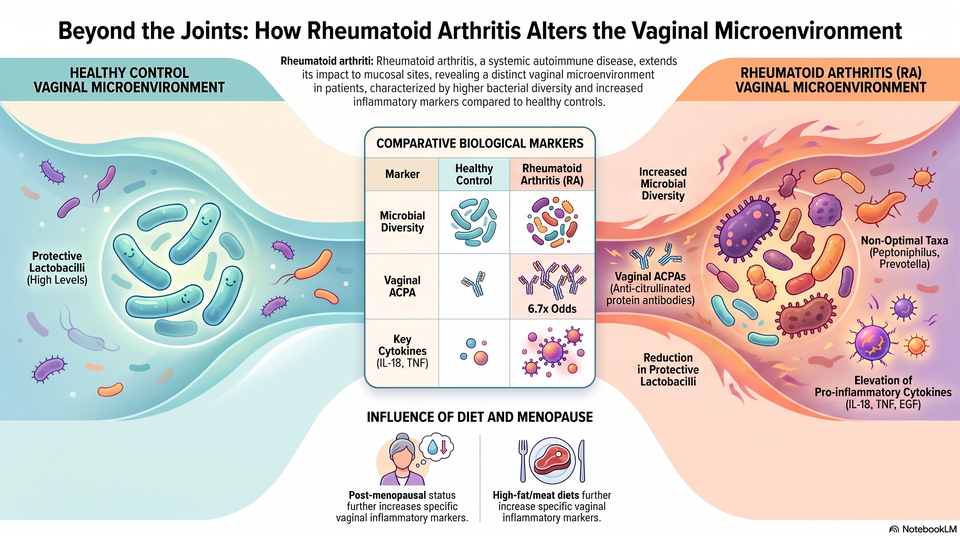
Systemic HRT is Often Insufficient: Systemic HRT does not fully resolve GSM symptoms for all patients. Concomitant use of local vaginal oestrogen with systemic HRT is both safe and frequently necessary. Autoimmune Overlap: Patients with Rheumatoid.
The benchmark shaped search intent and structure, while final wording avoids test-led overconfidence, supplement promises and single-cause explanations.
Patient safety
Why this matters
Complex dryness symptoms can affect sex, comfort, urination, confidence and medical decision-making, but the safest plan depends on cause rather than one isolated theory.
It avoids test overreach
Antibodies can support a work-up but do not explain every symptom alone.
It recognises sicca patterns
Dry eyes, dry mouth and genital dryness can belong to a wider picture.
It protects local diagnosis
Infection, GSM and dermatoses can coexist with autoimmune disease.
It supports coordination
Gynaecology and rheumatology may both be relevant.
Evidence-aware care
Good advice should respect systemic disease without making every genital symptom fit one diagnosis.
The right next step may involve examination, swabs, targeted blood tests, medicine review, pelvic-health care or specialist coordination.
Considerations
What to consider
A consultation should clarify systemic history, symptom location, medicines, cycle pattern, pain, discharge, local tissue appearance and whether specialist coordination is needed.
Consultation priorities
Useful details include systemic diagnoses, medicines, cycle pattern, pain location, discharge, urinary symptoms, surgery, transplant history, blood results and visible tissue changes.
Tests
Examination
Coordination
Map symptoms
Ask about eyes, mouth, joints, rashes, ulcers, fatigue and genital symptoms.
Review tests in context
Positive or negative antibodies need clinical interpretation.
Check local causes
Dryness, discharge, pain and sores may need examination or swabs.
Escalate flares
Systemic flare symptoms or ulcers should be reviewed promptly.
What not to assume
Do not assume one blood marker, diagnosis, deficiency, nerve pathway or vascular theory explains every dryness symptom.
Timelines vary because systemic disease control, medicine review, local treatment, pelvic-health care and endocrine investigation do not all change symptoms at the same pace.
Common concerns and myths
Common misconceptions
Complex medical explanations can be useful, but only when they are kept proportionate and tied to the actual clinical picture.
Myth: Positive antibodies diagnose the cause of vaginal dryness
Reality: autoimmune tests can support a work-up, but symptoms, examination and local causes still matter.
Myth: Autoimmune disease explains every genital symptom
Reality: autoimmune tests can support a work-up, but symptoms, examination and local causes still matter.
Myth: Negative tests rule out all sicca problems
Reality: autoimmune tests can support a work-up, but symptoms, examination and local causes still matter.
Tests need context
Blood markers can support clinical reasoning, but they do not replace examination, symptom mapping or local differential diagnosis.
Symptoms can overlap
Systemic illness, GSM, medicines, infection, bladder pain, pelvic-floor guarding and vulval dermatoses can coexist.
Safety checklist
Safety checklist
Use these checks to decide whether symptoms are suitable for routine review, targeted testing or more urgent advice.
Is there systemic context?
Autoimmune disease, CKD, diabetes, transplant medicines, malabsorption or endocrine history can change the pathway.
Are local symptoms clear?
Dryness, discharge, pain, sores, bleeding, urinary symptoms and pelvic pain should be described separately.
Would a test change care?
Blood tests are most useful when results would change diagnosis, referral or treatment.
Are red flags present?
Bleeding, ulcers, infection signs, severe pain or neurological change need prompt advice.
More reassuring signs
The situation is more reassuring when symptoms are mild, improving, already assessed, and not linked with bleeding, sores, fever, severe pain or new neurological symptoms.
Reviewed
Improving
Reasons to seek advice
Seek advice for bleeding, ulcers, discharge with odour, severe pelvic pain, urinary symptoms, fever, infection signs while immunosuppressed, post-surgical neurological symptoms or suspected autoimmune flare.
Infection signs
Severe pain
When to escalate
When to seek medical help
Some symptoms should not be attributed to systemic disease or hormones without assessment.
Use NHS 111 online
Bleeding, sores or discharge
Bleeding, ulcers, erosions, unusual discharge, odour or tissue breakdown should be assessed.
Systemic or infection concerns
Fever, flare symptoms, immunosuppression with infection signs or feeling very unwell needs medical advice.
Severe pain or neurological change
Severe pelvic pain, urinary or bowel change, numbness or new symptoms after surgery should be reviewed.
Emergency symptoms
Call 999 for life-threatening symptoms such as collapse, chest pain, breathing difficulty or stroke-like symptoms.
Use NHS 111 for urgent advice or call 999 in a life-threatening emergency. This page is educational and does not replace individual medical assessment.
Additional clinical context
How to use this answer
This page is designed to separate systemic, endocrine, autoimmune, renal, neurological, dermatological and transplant-related questions from local causes of vulvovaginal dryness.What to discuss at appointment
Useful details include systemic diagnoses, medicines, recent blood tests, menstrual pattern, menopause status, pain location, discharge, bleeding, urinary symptoms, surgery, transplant history, immune flares and visible tissue changes.Regulatory resources
Authoritative resources
These resources support cautious advice on Sjogren's syndrome, autoimmune markers, lupus, rheumatoid arthritis and vaginal dryness.
Next step
Book a clinical consultation
A consultation can review dryness pattern, autoimmune history, medicines, examination findings and whether rheumatology or gynaecology input is appropriate.
▶ View Research Sources (12 Sources)
These 12 source names are selected from 24 display-ready sources, with a raw audit trail of 62 imported records. Additional reviewed material included UK clinical guidance, professional society guidance, peer-reviewed clinical papers; duplicate, low-relevance and non-clinical records were removed before display.
Educational only. This information is for education only and is not a substitute for professional medical advice, diagnosis or treatment. Results vary. Not a cure.
