


🤯 Burning Hours After Contact? Dermatitis vs. Nerve Pain (Vulvodynia) | Dr. Farzana Khan
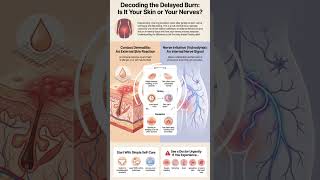
🤯 Burning Hours After Contact? Dermatitis vs. Nerve Pain (Vulvodynia) | Dr. Farzana Khan

What natural or over-the-counter moisturisers and lubricants work best for ... | WHC Clinical FAQ
Product properties
Burning aware
Tolerability
Women’s Health Clinic FAQ
What is the clinical protocol for using short-contact topical moisturisers to minimise initial burning in hyper-sensitive tissue?
Lubricants and moisturisers are not interchangeable: ingredients, pH, osmolality and sensitive tissue can all affect comfort.
Direct answer
Short-contact or cautious trial use may help identify tolerability, but there is no universal protocol that replaces examination when tissue is hyper-sensitive.
The safest answer explains product properties without turning the page into a shopping guide or implying that one product change proves the diagnosis.
Educational only. Suitability and next steps should be confirmed after consultation. Results vary. Not a cure.

Lubricant sensitivity
At a glance
These are the main points to understand before deciding whether symptoms are medicine-related, hormonal, product-triggered, skin-related or medically complex.
At a glance
Clinical summary
Main area
Product tolerability
Pattern
Burning or irritation
Watch for
Persistent burning
Next step
Trial and review
Important safety note
Severe burning, swelling, bleeding, ulcers, discharge with odour or symptoms that persist despite stopping a product need clinical review.
GSM
Products
Skin
Review
Detailed answer
Detailed answer
The deeper answer starts by separating medicine effects, local hormone response, lubricant or cream irritation, skin disease, infection and arousal physiology.
Direct answer
The reader wants practical help with burning, pH, osmolality or moisturiser sensitivity while avoiding exaggerated product-damage claims.
Tissue
Products
Safety
Direct answer
Start with the exact trigger and timing because a medicine change, local treatment, lubricant switch or cream reaction points to different next steps.
Product properties
Local tissue findings matter because burning, discharge, dryness, leakage, fissures and pain are not all the same clinical problem.
Burning and sensitivity
Treatment or product changes should be framed as clinician-led or cautious trials, not proof of diagnosis or promises of symptom resolution.
Practical tolerability steps
Persistent or severe symptoms need examination, swabs, medicine review, formulation review or specialist input rather than repeated self-management.
How the research shapes the answer
There is no single 'best' emollient; the best option is one the patient will consistently use. Ointments are superior for chronic dry skin and thick scales, while creams are better for acute, weeping eczema. SCT provides.
The benchmark shaped search intent and structure, while final wording avoids product fear, medication stopping advice, supplement promises and single-cause explanations.
Patient safety
Why this matters
Dryness, burning or leakage can affect sex, confidence, medication adherence and daily comfort, but the safest plan depends on cause.
It reduces trial-and-error
pH, osmolality and ingredients can affect sensitive tissue.
It avoids product fear
A reaction to one product does not mean all products are harmful.
It protects diagnosis
Burning can reflect irritation, infection, GSM, dermatoses or vestibular pain.
It sets limits
Persistent symptoms need assessment, not endless switching.
Practical, proportionate care
Good advice should help patients discuss symptoms without shame, blame or abrupt medication changes.
The right next step may be product simplification, medicine review, local treatment adjustment, swabs, examination or a different diagnosis.
Considerations
What to consider
Adults require 500-600g of emollient per week, and children require 250-500g per week. Active steroids should be measured in Fingertip Units (FTUs), where one FTU treats an area of two adult handprints. Standard soaps should be.
Consultation priorities
Useful details include medicine names, dose changes, treatment technique, lubricant or cream ingredients, symptom timing, discharge, odour, bleeding, pain and what has already been tried.
Ingredients
Technique
Review
List ingredients
Preservatives, fragrances, flavours, warming agents and osmolality can matter.
Test gently
Use small-area or short-contact trials only when symptoms are mild.
Stop if worse
Burning, swelling or pain should prompt stopping the product.
Seek review
Ongoing pain, bleeding or discharge needs assessment.
What not to assume
Do not assume one medicine, supplement, lubricant, cream or hormone level explains every dryness symptom.
Benzoyl peroxide can be effective with a 2-minute contact time. Dithranol is applied for 10-60 minutes. Retinoids should be initiated with 5-minute applications, slowly building up to longer durations. Emollients should be applied 3-4 times daily..
Common concerns and myths
Common misconceptions
Online advice about medicines, supplements and intimate products can become overconfident. These corrections keep the answer balanced.
Myth: All water-based lubricants behave the same
Reality: ingredients, pH and osmolality vary, but persistent burning needs assessment rather than endless switching.
Myth: Burning always means infection
Reality: ingredients, pH and osmolality vary, but persistent burning needs assessment rather than endless switching.
Myth: More product always means more comfort
Reality: ingredients, pH and osmolality vary, but persistent burning needs assessment rather than endless switching.
Context matters
The same symptom can come from GSM, irritation, infection, medicines, product sensitivity, arousal response or skin disease.
Changes should be safe
Medication and hormone-treatment changes should be discussed with a clinician, while product trials should stop if symptoms worsen.
Safety checklist
Safety checklist
Use these checks to decide whether symptoms are suitable for routine review, cautious product change or more urgent advice.
Did timing change?
Link symptoms to new medicines, dose changes, local treatment, lubricant or cream use where possible.
Are symptoms localised?
Separate vulval burning, vaginal dryness, discharge, leakage, vestibular pain and urinary symptoms.
Could ingredients matter?
Preservatives, pH, osmolality, fragrances and active ingredients can affect sensitive tissue.
Are red flags present?
Bleeding, ulcers, swelling, severe pain or discharge with odour need advice.
More reassuring signs
The situation is more reassuring when symptoms are mild, improving after removing a likely trigger and not linked with bleeding, sores, swelling, odour or severe pain.
Improving
Clear timing
Reasons to seek advice
Seek advice for bleeding, ulcers, fissures, severe burning, swelling, discharge with odour, pelvic pain, urinary symptoms, suspected allergy, suspected infection or symptoms during complex hormone care.
Sores
Severe pain
When to escalate
When to seek medical help
Some symptoms should not be managed by changing products or medicines alone.
Use NHS 111 online
Bleeding, sores or swelling
Bleeding, ulcers, fissures, swelling, peeling or rapidly worsening pain should be assessed.
Discharge, odour or infection symptoms
New discharge, odour, pelvic pain, fever or urinary symptoms may need testing or treatment.
Treatment or medicine concerns
Severe irritation with local treatment, complex hormone history or suspected medicine side effects should be reviewed.
Emergency symptoms
Call 999 for life-threatening symptoms such as collapse, chest pain, breathing difficulty or stroke-like symptoms.
Use NHS 111 for urgent advice or call 999 in a life-threatening emergency. This page is educational and does not replace individual medical assessment.
Additional clinical context
How to use this answer
This page is designed to separate medication side effects, GSM, lubricant or moisturiser irritation, cream sensitivity, supplements, local treatment adherence and other causes of vulvovaginal dryness.What to discuss at appointment
Useful details include medicines, dose changes, local treatment technique, products used, supplement names, discharge, odour, bleeding, pain location, visible irritation and what improved or worsened symptoms.Regulatory resources
Authoritative resources
These resources support practical advice on vaginal dryness, painful sex, lubricant osmolality, pH, moisturisers and sensitive tissue.
Next step
Book a clinical consultation
A consultation can review product ingredients, timing, burning pattern, tissue sensitivity, GSM, infection symptoms and whether a different strategy is needed.
▶ View Research Sources (12 Sources)
These 12 source names are selected from 24 display-ready sources, with a raw audit trail of 138 imported records. Additional reviewed material included UK clinical guidance, professional society guidance, peer-reviewed clinical papers; duplicate, low-relevance and non-clinical records were removed before display.
Educational only. This information is for education only and is not a substitute for professional medical advice, diagnosis or treatment. Results vary. Not a cure.
