


🤯 Burning Hours After Contact? Dermatitis vs. Nerve Pain (Vulvodynia) | Dr. Farzana Khan
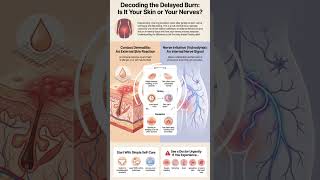
🤯 Burning Hours After Contact? Dermatitis vs. Nerve Pain (Vulvodynia) | Dr. Farzana Khan

Topical over-the-counter anti-itch creams containing benzocaine cause a
Ingredient-aware
Skin diagnosis
Balanced care
Women’s Health Clinic FAQ
How do specific preservative agents like parabens or benzyl alcohol in prescription creams trigger localised contact hypersensitivity and burning?
Creams may help or irritate depending on the diagnosis, ingredient, dose and tissue condition, so repeated self-treatment can make the picture harder to interpret.
Direct answer
Preservatives can trigger irritant or allergic contact reactions in susceptible patients, so burning after creams should prompt ingredient review and examination.
A useful answer separates preservative sensitivity, unnecessary antifungal use, correct steroid treatment, steroid misuse and underlying vulval skin disease.
Educational only. Suitability and next steps should be confirmed after consultation. Results vary. Not a cure.

Cream and skin safety
At a glance
These are the main points to understand before deciding whether symptoms are medicine-related, hormonal, product-triggered, skin-related or medically complex.
At a glance
Clinical summary
Main area
Vulval skin and creams
Pattern
Irritation or treatment effect
Watch for
Fissures or sores
Next step
Examination-led review
Important safety note
Do not keep repeating antifungal or steroid creams for persistent burning, fissures, sores or peeling without assessment.
GSM
Products
Skin
Review
Detailed answer
Detailed answer
The deeper answer starts by separating medicine effects, local hormone response, lubricant or cream irritation, skin disease, infection and arousal physiology.
Direct answer
The reader needs to separate cream allergy, unnecessary antifungal use, appropriate steroid treatment and underlying vulval disease.
Tissue
Products
Safety
Direct answer
Start with the exact trigger and timing because a medicine change, local treatment, lubricant switch or cream reaction points to different next steps.
Irritant or allergy mechanism
Local tissue findings matter because burning, discharge, dryness, leakage, fissures and pain are not all the same clinical problem.
Treatment misuse versus correct use
Treatment or product changes should be framed as clinician-led or cautious trials, not proof of diagnosis or promises of symptom resolution.
Differential diagnosis
Persistent or severe symptoms need examination, swabs, medicine review, formulation review or specialist input rather than repeated self-management.
How the research shapes the answer
Diagnostic Nuance: Differentiating between irritant contact dermatitis (rapid onset of burning) and allergic contact dermatitis (delayed onset dominated by intense itching) is crucial. Low Sensitization Rates: Parabens have a low overall sensitization index (0.5% to 1.2%.
The benchmark shaped search intent and structure, while final wording avoids product fear, medication stopping advice, supplement promises and single-cause explanations.
Patient safety
Why this matters
Dryness, burning or leakage can affect sex, confidence, medication adherence and daily comfort, but the safest plan depends on cause.
It distinguishes allergy
Preservatives or active ingredients can trigger contact reactions.
It avoids unnecessary antifungals
Not all burning or dryness is thrush.
It keeps steroid advice balanced
Correct vulval steroid treatment may help; misuse can harm.
It prioritises examination
Skin appearance changes the treatment plan.
Practical, proportionate care
Good advice should help patients discuss symptoms without shame, blame or abrupt medication changes.
The right next step may be product simplification, medicine review, local treatment adjustment, swabs, examination or a different diagnosis.
Considerations
What to consider
Diagnostic Testing: Employ standard patch testing using paraben mixes (12-16% in petrolatum) or benzyl alcohol (1% in petrolatum). Repeated Open Application Test (ROAT): If standard patch tests yield false negatives, advise a ROAT where the patient.
Consultation priorities
Useful details include medicine names, dose changes, treatment technique, lubricant or cream ingredients, symptom timing, discharge, odour, bleeding, pain and what has already been tried.
Ingredients
Technique
Review
Name the product
Ingredients, strength and duration matter.
Check diagnosis
Thrush, eczema, LS, GSM and dermatitis can overlap.
Avoid repetition
Repeated self-treatment can worsen irritation or delay care.
Assess visible change
Fissures, sores, peeling or thinning should be examined.
What not to assume
Do not assume one medicine, supplement, lubricant, cream or hormone level explains every dryness symptom.
Immediate Response: Burning, stinging, or pain can occur rapidly (within minutes) upon application of the cream due to direct TRPA1 nociceptor activation. Transient Pseudophlebitis: Intravenous exposure to benzyl alcohol can cause sudden reactive vasodilation, which typically.
Common concerns and myths
Common misconceptions
Online advice about medicines, supplements and intimate products can become overconfident. These corrections keep the answer balanced.
Myth: All cream burning is normal
Reality: ingredients, pH and osmolality vary, but persistent burning needs assessment rather than endless switching.
Myth: Antifungals are harmless if symptoms might be thrush
Reality: creams should match the diagnosis; repeated self-treatment can irritate tissue or delay correct care.
Myth: Vulval steroids are always dangerous
Reality: creams should match the diagnosis; repeated self-treatment can irritate tissue or delay correct care.
Context matters
The same symptom can come from GSM, irritation, infection, medicines, product sensitivity, arousal response or skin disease.
Changes should be safe
Medication and hormone-treatment changes should be discussed with a clinician, while product trials should stop if symptoms worsen.
Safety checklist
Safety checklist
Use these checks to decide whether symptoms are suitable for routine review, cautious product change or more urgent advice.
Did timing change?
Link symptoms to new medicines, dose changes, local treatment, lubricant or cream use where possible.
Are symptoms localised?
Separate vulval burning, vaginal dryness, discharge, leakage, vestibular pain and urinary symptoms.
Could ingredients matter?
Preservatives, pH, osmolality, fragrances and active ingredients can affect sensitive tissue.
Are red flags present?
Bleeding, ulcers, swelling, severe pain or discharge with odour need advice.
More reassuring signs
The situation is more reassuring when symptoms are mild, improving after removing a likely trigger and not linked with bleeding, sores, swelling, odour or severe pain.
Improving
Clear timing
Reasons to seek advice
Seek advice for bleeding, ulcers, fissures, severe burning, swelling, discharge with odour, pelvic pain, urinary symptoms, suspected allergy, suspected infection or symptoms during complex hormone care.
Sores
Severe pain
When to escalate
When to seek medical help
Some symptoms should not be managed by changing products or medicines alone.
Use NHS 111 online
Bleeding, sores or swelling
Bleeding, ulcers, fissures, swelling, peeling or rapidly worsening pain should be assessed.
Discharge, odour or infection symptoms
New discharge, odour, pelvic pain, fever or urinary symptoms may need testing or treatment.
Treatment or medicine concerns
Severe irritation with local treatment, complex hormone history or suspected medicine side effects should be reviewed.
Emergency symptoms
Call 999 for life-threatening symptoms such as collapse, chest pain, breathing difficulty or stroke-like symptoms.
Use NHS 111 for urgent advice or call 999 in a life-threatening emergency. This page is educational and does not replace individual medical assessment.
Additional clinical context
How to use this answer
This page is designed to separate medication side effects, GSM, lubricant or moisturiser irritation, cream sensitivity, supplements, local treatment adherence and other causes of vulvovaginal dryness.What to discuss at appointment
Useful details include medicines, dose changes, local treatment technique, products used, supplement names, discharge, odour, bleeding, pain location, visible irritation and what improved or worsened symptoms.Regulatory resources
Authoritative resources
These resources support balanced advice on contact dermatitis, thrush, topical corticosteroids, vulval skin conditions and prescription-cream ingredients.
Next step
Book a clinical consultation
A consultation can review cream ingredients, diagnosis, steroid strength and duration, antifungal use, visible skin changes, discharge, pain and whether swabs or specialist review are needed.
▶ View Research Sources (12 Sources)
These 12 source names are selected from 24 display-ready sources, with a raw audit trail of 105 imported records. Additional reviewed material included UK clinical guidance, professional society guidance, peer-reviewed clinical papers; duplicate, low-relevance and non-clinical records were removed before display.
Educational only. This information is for education only and is not a substitute for professional medical advice, diagnosis or treatment. Results vary. Not a cure.
