
Healing timeline
Red-flag guidance
Women’s Health Clinic FAQ
What is the recommended aftercare routine after CO2 laser resurfacing for best healing?
CO2 laser resurfacing creates a controlled skin injury so fresher skin can form and collagen can remodel. The aftercare routine matters because early healing depends on moisture balance, gentle cleansing, infection prevention and strict light protection.
Direct answer
After CO2 laser resurfacing, the recommended aftercare is to keep the treated skin clean, moist and protected while it re-epithelialises, meaning the surface closes with new skin. Use only the cleanser, ointment, medicines and soak routine your clinician gives you. Avoid picking, rubbing, heat, exercise, swimming, make-up, active skincare and sun exposure until cleared. Seek advice promptly if pain, redness, discharge, fever, cold sores or swelling worsen rather than settle.
Your exact routine depends on treatment depth, skin type, pigment risk, medical history and whether fractional or fully ablative treatment was performed. Written clinic instructions should always take priority over general online advice.
Educational only. This page supports, but does not replace, your personalised post-procedure instructions. Results vary. Not a cure.

At a glance
Most aftercare plans share the same foundations: clean handling, moist wound care, sun avoidance, reduced heat and early escalation if the skin behaves unexpectedly.
At a glance
The routine changes as the skin closes
First days
Cleanse gently, pat dry and keep the surface moist.
Days 4-10
Peeling and crust separation should happen naturally.
After closure
Introduce moisturiser, SPF and make-up only when cleared.
Longer term
Protect from sun while pinkness and collagen remodelling settle.
Most important safety point
Do not pick, scrub or dry the skin out. Contact the clinic if symptoms worsen instead of gradually settling.
Gentle cleansing
No picking
Strict sun avoidance
Prompt escalation
Detailed answer
The best routine supports wound healing, not speed at any cost
CO2 laser energy is absorbed by water in the skin, creating controlled vaporisation and heat. The surface then heals through inflammation, new epithelial growth and collagen remodelling. Aftercare protects each of those phases.
Raw skin and intact skin need different care
While the skin is raw, oozing or crusted, the priority is clean, moist protection. Once it is smooth, closed and pink, the plan usually shifts towards lighter moisturising, mineral sunscreen and gradual reintroduction of normal routines.
Re-epithelialisation
Barrier repair
Collagen remodelling
Keep it clean
Wash your hands first. Use lukewarm water and a bland cleanser if advised, then pat dry with sterile gauze or a clean disposable towel. Avoid flannels, brushes and rubbing.
Keep it moist
A clinician-recommended occlusive ointment helps reduce drying, cracking and crust build-up during early healing. Reapply when the surface feels tight or dry, following your written plan.
Keep it protected
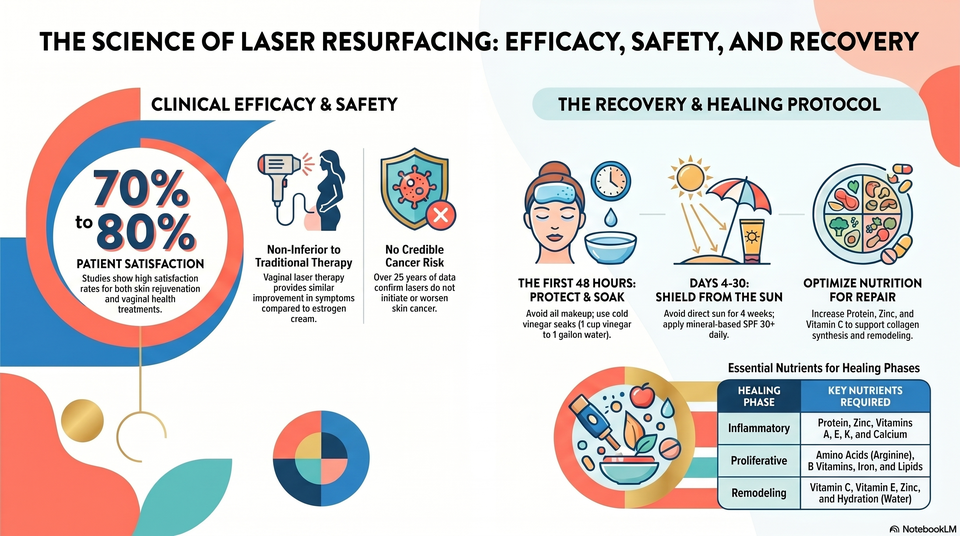
Avoid direct sun, heat, steam, sweaty exercise, swimming, make-up and active skincare while the surface is open or fragile. These can irritate the barrier and increase pigment risk.
Keep watching
Some redness, swelling, oozing and peeling can be normal. Worsening pain, spreading redness, pus, fever, cold sores or unusual blistering need prompt clinical advice.
What healing usually feels like
Immediately after treatment, many people describe heat, tightness and a sunburn-like sting. Swelling often peaks early, particularly around the eyes, and the skin may look shiny, glazed or dotted after fractional treatment.
Over the next week, crusting and peeling should lift naturally as new skin forms. Pinkness can persist after the surface has closed, especially after stronger treatment, and collagen changes continue in the background for months.
Patient safety
Why aftercare matters after resurfacing
The treatment is only one part of the outcome. The way the skin is protected afterwards can influence comfort, infection risk, pigment stability and how calmly the barrier recovers.
Open skin is vulnerable
CO2 resurfacing temporarily disrupts the skin barrier. Clean handling and the right dressing or ointment reduce contamination while the surface is closing.
Moisture supports closure
Dry crusting can feel tight and uncomfortable. Moist wound care helps the new surface form more evenly when used as directed.
Sun can trigger pigment
Freshly treated skin is more light-sensitive. Sun exposure can increase the chance of post-inflammatory hyperpigmentation, especially in pigment-prone skin.
Follow-up catches problems
Early review can help distinguish normal redness or peeling from infection, cold sore reactivation, dermatitis or delayed healing.
The WHC lens: skin healing is individual
Age, oestrogen status, rosacea, eczema, acne tendency, diabetes, smoking, nutrition, immune health and previous scarring can all affect how skin tolerates resurfacing. Around perimenopause and menopause, some women also notice drier or more reactive skin.
That is why aftercare should be personalised after consultation. A good plan explains what is expected, what to avoid, which medicines or products to use, and exactly who to contact if recovery changes direction.
Considerations
How to structure your aftercare routine
Use your clinic plan as the main instruction sheet. The practical framework below helps you understand why each step is usually included and when the routine may change.
Think in phases, not single days
The same product is not always right for every stage. Raw or oozing skin usually needs protective occlusion; closed, pink skin often needs gentler moisturising, mineral SPF and gradual return to normal skincare.
Peeling phase
Barrier rebuild
Pigment prevention
Morning
Wash hands, cleanse only as advised, pat dry, apply the recommended ointment or moisturiser and protect the skin from daylight, heat and contamination.
During the day
Reapply barrier product when tight or dry. Avoid touching, picking, dusty environments, sweaty exercise, hot rooms and direct sun. Keep fluids and nutrition steady.
Evening
Repeat gentle cleansing if directed, soften residue rather than rubbing it away, reapply the barrier layer and sleep on clean linen with the head slightly elevated early on.
Clinic-specific steps
Use diluted vinegar soaks, prescription creams, antivirals, antibiotics or pain relief only as your clinician has advised. Do not add extra actives or home remedies.
When normal routines usually return
Many people need around 7 to 14 days before social routines feel easier, but deeper or fully ablative resurfacing can take longer. Make-up, sunscreen and exercise should wait until the skin surface is intact and your clinician has cleared them.
Retinoids, exfoliating acids, scrubs, waxing, peels and stronger treatments are usually delayed for longer because newly resurfaced skin can be reactive. Restart gradually, and stop if stinging, heat or redness flares.
Common concerns and myths
Common aftercare myths
Most poor aftercare advice is either too aggressive or too casual. CO2 laser recovery needs a middle path: clean, calm and medically guided.
Drying it out helps
Freshly resurfaced skin generally should not be deliberately dried out. Moist wound care is commonly used to reduce cracking and support surface closure.
Peeling should be helped along
Do not pick, scrub or peel flakes. Forced exfoliation can irritate new skin and may increase the chance of infection, scarring or pigment change.
SPF means sun is fine
Sunscreen is not a licence to sunbathe. Early recovery needs shade, hats and avoidance; SPF is usually added once the surface is intact.
A single routine does not fit everyone
Fractional treatment, fully ablative treatment, darker skin tones, melasma tendency, acne, rosacea and menopause-related dryness can all change aftercare timing.
More product is not always better
A thin, regular protective layer is often more useful than piling on many products. Too many actives, fragrances or home remedies can disrupt the barrier.
Safety checklist
Your aftercare safety checklist
Use these questions before and after treatment so you know what is normal, what is expected of you and when to seek help.
Do I have written instructions?
You should know exactly how to cleanse, what to apply, what to avoid and who to contact out of hours if recovery concerns you.
Have medicines been explained?
If you are prescribed antiviral, antibiotic, steroid or pain medicine, confirm timing and whether any usual medicines should be paused or continued.
Is my skin still open?
If the surface is raw, oozing or crusted, do not use make-up, exfoliants, retinoids or sunscreen unless your clinician has specifically approved it.
Is it improving?
Normal recovery should gradually settle. Symptoms that intensify, spread, smell, blister or feel systemically unwell need prompt review.
Reassuring signs
Mild heat, tightness, redness, swelling, oozing, crusting and peeling can be expected early if they follow the timeline your clinic described and gradually improve.
Skin closing
Clear plan
Reasons to seek advice
Call the clinic or seek medical advice if you are unsure. Freshly resurfaced skin can change quickly, and early treatment of infection or cold sores matters.
Pus or fever
Cold sores
When to escalate
When to escalate after CO2 laser
Seek medical advice promptly if recovery looks worse rather than better, or if you feel unwell. Use NHS 111 for urgent advice or call 999 in a life-threatening emergency. Use NHS 111
Possible infection
Increasing redness, heat, swelling, tenderness, yellow or green discharge, pus, offensive smell, fever or feeling generally unwell.
Pain or swelling worsens
Pain that becomes severe, swelling that keeps increasing after the early phase, or symptoms that do not respond to your agreed comfort plan.
Cold sores or blisters
New cold sores, painful blisters, grouped spots, unusual rash or tender lymph nodes can need prompt antiviral or clinical treatment.
Delayed or unusual healing
Open areas, crusting or oozing beyond the expected window, new dark patches, whitening, eye symptoms or any reaction that feels unusual.
Educational only. This page cannot assess your skin. Contact your treating clinic for personalised advice, use NHS 111 for urgent advice, or call 999 in a life-threatening emergency.
Aftercare details and related questions
What should I do in the first 24 to 48 hours?
Expect heat, tightness, redness, swelling and some oozing, especially after deeper resurfacing. Wash your hands before touching the area, use cool compresses only if advised, sleep slightly elevated for the first few nights and keep the surface moist with the recommended barrier product. Use clean pillowcases and avoid close contact with anything that may contaminate the healing skin.How often should I wash my face after CO2 laser?
Follow your written clinic instructions, because deeper treatments may need more frequent cleansing. In many protocols, cleansing starts the morning after treatment using lukewarm water, clean hands and a bland, non-fragranced cleanser. Pat dry with sterile gauze or a clean disposable towel. Do not rub, scrub, use cleansing brushes or try to lift crusts manually.When should I switch from ointment to moisturiser?
The usual decision point is whether the skin is still raw, weeping or crusted. During that phase, a clinician-recommended occlusive ointment helps keep the surface moist. Once the skin is smooth, pink and no longer open, your clinician may advise moving to a lighter, fragrance-free moisturiser while continuing frequent hydration and careful sun protection.Are vinegar soaks always needed?
No. Some clinicians use diluted white vinegar soaks to soften crusting and support cleansing, but the recipe and timing vary. Only use vinegar, saline, prescription creams, antibiotics or antivirals if they are part of your own aftercare plan. Do not add internet routines to freshly treated skin without checking the clinic.When can I wear SPF and make-up?
Sunscreen and make-up should not be applied to raw or oozing skin unless your clinician has specifically instructed it. Once the skin surface has re-epithelialised, mineral SPF is commonly introduced, alongside hats and shade. Make-up is usually delayed until the skin is fully closed and comfortable, often around 7 to 14 days depending on treatment depth.When can I restart retinoids, acids or vitamin C?
Active skincare should be paused until the skin barrier is stable and your clinician clears it. Retinoids, exfoliating acids, scrubs, benzoyl peroxide and strong vitamin C can sting and inflame newly resurfaced skin. Many protocols reintroduce actives gradually after several weeks, but pigment risk, rosacea, menopause-related dryness and treatment depth can change the timing.What helps healing from the inside?
Laser healing is metabolically active. Adequate protein, fluids, sleep and general nutrition support immune function, epithelial repair and collagen remodelling. If you have diabetes, immune suppression, a history of poor wound healing, an eating disorder, significant weight loss or nutritional concerns, tell your clinician before treatment and during recovery.How long does redness last?
Initial redness, swelling and peeling often improve over the first one to two weeks, but pinkness can persist for several weeks and sometimes longer after deeper resurfacing. Collagen remodelling continues for months. Persistent worsening redness, heat, discharge or pain is different from normal pinkness and should be reviewed promptly.Does menopause affect aftercare?
Some women notice drier, more reactive or slower-to-settle skin around perimenopause and menopause. Lower oestrogen can affect skin thickness, hydration and barrier resilience, although individual healing varies. This is one reason WHC places emphasis on consultation, barrier planning, pigment-risk assessment and tailored follow-up rather than a one-size-fits-all aftercare sheet.Regulatory resources
Authoritative resources
These resources support the clinical principles behind CO2 laser aftercare, wound care and complication awareness.
NHS laser resurfacing leaflet
Sandwell and West Birmingham NHS Trust provides patient-facing guidance on dressings, moist wound care, sun protection and symptoms to report after laser resurfacing.
British Cosmetic Dermatology Group
This dermatologist-produced patient leaflet explains fractional and fully ablative resurfacing, expected recovery, risks and why strict aftercare is essential.
NCBI Bookshelf: Ablative Laser Resurfacing
This clinical reference outlines laser physiology, post-procedure moist care, photoprotection and complication monitoring for ablative resurfacing.
Next step
Need help planning CO2 laser recovery?
WHC can help you understand suitability, pigment risk, treatment depth, preparation and the aftercare routine you would need before deciding whether resurfacing is right for your skin.
Educational only. A consultation is needed to confirm suitability, treatment settings and your personalised recovery plan. Results vary. Not a cure.