

Private SUI and Nu-V treatment
Nu-V treatment for stress urinary incontinence
Private, assessment-led care for women who leak urine when coughing, laughing, sneezing, exercising or lifting. Understand first-line care, Nu-V suitability, evidence limits, recovery and current prices.
- CQC registered Regulated and inspected
- 4.8 / 5 From 3,500+ reviews
- Assessment-led Suitability before treatment
What is stress urinary incontinence?
Stress urinary incontinence (SUI) means urine leaks when pressure inside the abdomen rises—for example during coughing, sneezing, laughing, running, jumping or lifting. “Stress” describes physical pressure on the bladder, not emotional stress.
A pressure-related pattern
Different from urgency leakage
Common, but worth assessing
Not sure whether your leakage is stress, urgency or mixed?
The broader urinary incontinence assessment and treatment page explains the different patterns, warning symptoms and overall care options. The information below considers stress-pattern leakage and the possible place of Nu-V.
Why can stress urinary incontinence develop?
Continence depends on the urethral closure mechanism, pelvic-floor muscles, connective tissues and pressure management working together. SUI can develop when support or closure is not sufficient during a sudden rise in abdominal pressure.
Pregnancy and childbirth
Pelvic-floor support changes
Perimenopause and ageing
Coughing and repeated pressure
Weight and high-impact activity
Surgery or other health factors
A personal experience
The impact is not measured only by the size of a leak
Small leaks can still have a significant effect if they stop you exercising, make you plan around toilets, affect work or travel, or leave you anxious during intimacy. Your priorities matter when deciding whether and how to treat SUI.
What should be established before considering Nu-V?
A cough-related leak may sound typical of SUI, but treatment should not be chosen from one symptom alone. Assessment confirms the dominant pattern, looks for contributing factors and checks whether investigation or another service is more appropriate.
Your leakage pattern
Bladder diary and questionnaires
Medical and pelvic history
Examination and simple checks
First-line care already tried
Need for specialist tests
Seek medical review first
Some symptoms should not be treated as routine SUI
Arrange prompt medical assessment for visible blood in the urine, recurrent urinary infections, new or worsening pelvic pain, unexplained vaginal bleeding, difficulty emptying the bladder, a weak stream, complete loss of bladder control or new numbness or weakness. Nu-V should not delay investigation.
Blood in the urine or unexplained bleeding
Repeated infections, pain or unusual discharge
New weakness, numbness or bladder-emptying change
Severe prolapse or continuous leakage
What usually comes before a clinic procedure?
NICE recommends a supervised pelvic-floor muscle training programme lasting at least three months as first-line treatment for women with stress or mixed urinary incontinence. Correct technique and a programme tailored to the individual are important.
Supervised pelvic-floor training
Pressure and lifestyle factors
Bladder habits and fluids
Support devices and specialist options
What else?
Conservative care and Nu-V are not mutually exclusive
Pelvic-floor training may remain useful whether or not Nu-V is considered. WHC does not provide continence surgery or prolapse repair; where specialist investigation, a pessary service or surgery is more appropriate, we will explain the referral route.
How is Nu-V intended to help selected women with SUI?
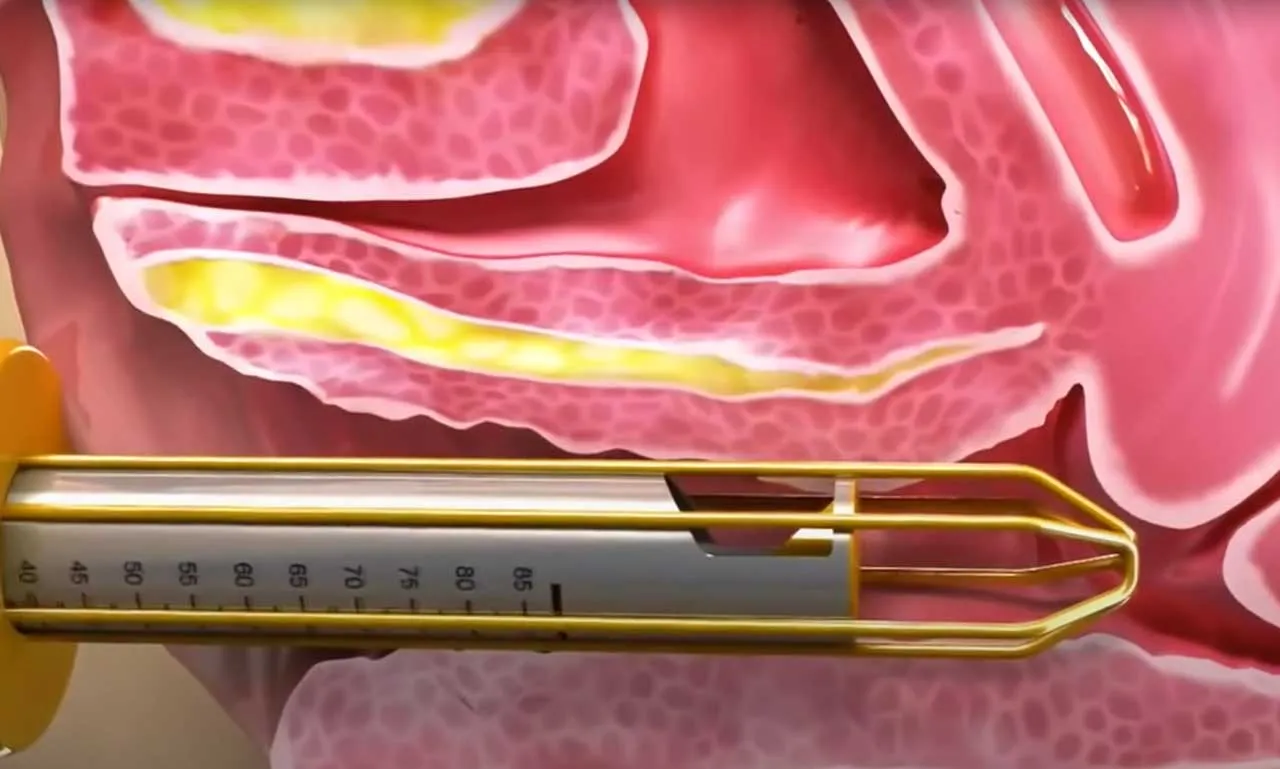
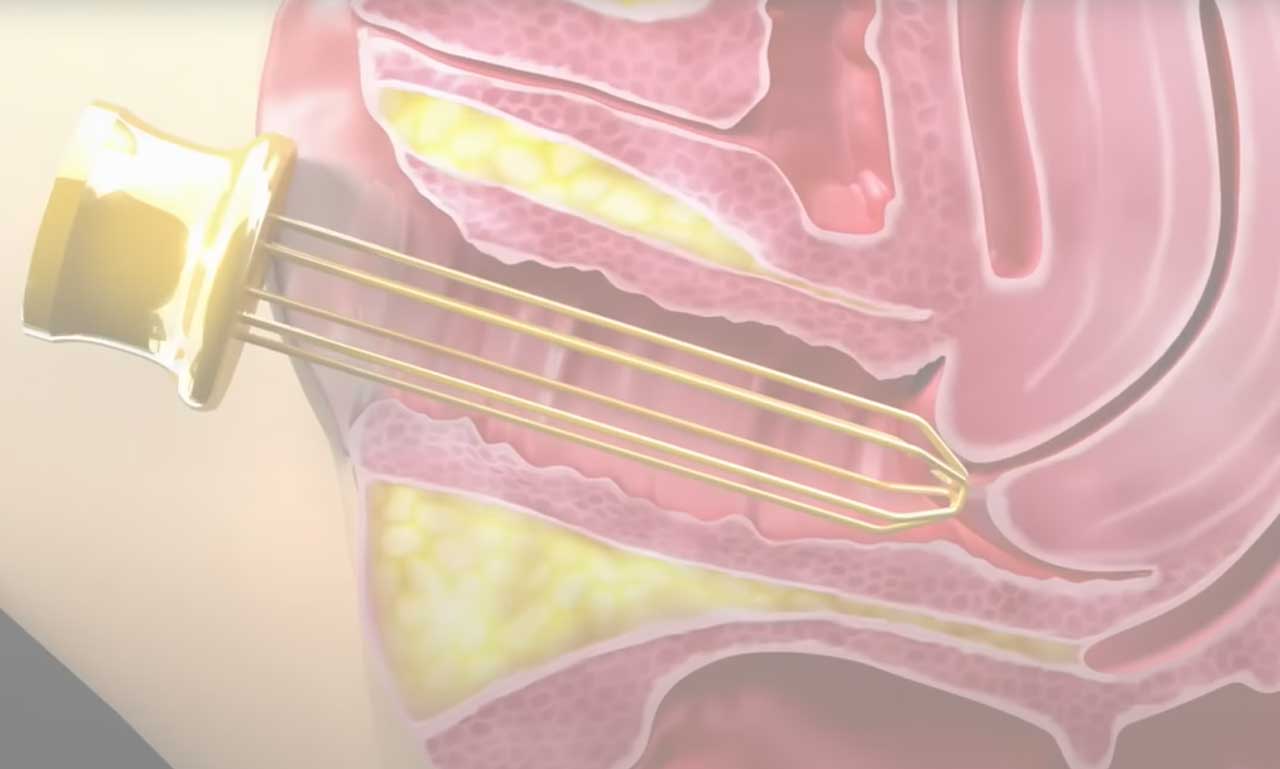
Nu-V is WHC’s fractional CO₂ vaginal laser procedure. Controlled energy is delivered in microscopic treatment zones with the intention of prompting a local healing and tissue-remodelling response. The proposed aim in SUI is to influence tissue support around the vagina and urethra—not to exercise or directly strengthen the pelvic-floor muscles.
Fractional CO₂ energy
A proposed tissue response
Review before repeating
Important distinction
Nu-V is not pelvic-floor muscle training and it is not a guaranteed cure
Laser does not correct every cause of SUI, replace supervised pelvic-floor care, treat urgency-dominant incontinence or guarantee freedom from pads. It should not be presented as treatment for unrelated sexual-function concerns.
When might Nu-V be discussed—and when might it not be suitable?
Suitability is decided individually after the leakage pattern, previous care, examination findings, medical history, expectations and alternatives have been reviewed.
It may be discussed when
Symptoms are stress-dominant, bothersome and usually mild to moderate; first-line conservative care has been explored; and you understand that improvement is uncertain.
Some mixed cases may be considered only when the stress component and other symptoms have been properly assessed.
It is not aimed at urgency alone
Treatment is postponed
Extra review may be required
Medicines are reviewed safely
Future pregnancy matters
A consultation does not commit you to treatment
The appropriate outcome may be Nu-V, more pelvic-floor rehabilitation, urine or medical testing, another clinic-based option, specialist referral or no procedure. You should have time to consider the recommendation.
Where does Nu-V sit among SUI treatment choices?
The best option depends on the type and severity of leakage, pelvic-floor function, prolapse, previous care, general health, pregnancy plans and personal priorities. No single treatment suits every woman.
Pelvic-floor rehabilitation
Pessaries and support devices
Nu-V fractional CO₂ laser
Radiofrequency treatment
Urethral bulking or surgery
Managing symptoms while deciding
Questions to ask
Make an informed choice rather than choosing by treatment name
A good consultation should explain what is most likely causing your leakage, what has already been tried, what Nu-V is intended to change, what evidence supports that aim, the risks and alternatives, and how success or lack of improvement will be judged.
Is my leakage genuinely stress-dominant?
Have I had suitable supervised pelvic-floor care?
What specific improvement would be realistic for me?
What happens if there is no meaningful change?
Videos about urinary leakage, SUI and treatment choices
Use these videos to understand related symptoms and questions to consider before choosing care. Individual experiences cannot establish suitability or predict your result.


Can intimate exosomes treat stress urinary incontinence? | WHC Clinical FAQ

Can the O-Shot help with urinary incontinence? | WHC Clinical FAQ

Can the O-Shot help stress incontinence? | WHC Clinical FAQ

PRP and Incontinence

The Womens Health Clinic Incontinence Part 1
What happens before, during and after Nu-V?
You have time to ask questions and consider the recommendation. Assessment, informed consent and realistic expectations come before treatment.
Step 1
Optional introductory call
A free 20-minute nurse or patient-adviser call can explain the service, answer practical questions and help you decide whether to book a clinical consultation.
Step 2
Required doctor consultation
A consultation with Dr Farzana Khan is required. Choose a 10-minute telephone consultation for £45 or a 20-minute face-to-face doctor consultation for £150. A face-to-face examination may still be required before treatment.
Step 3
History, examination and consent
Questionnaires, bladder symptoms, previous care and medical history are reviewed. Where appropriate, a consent-led examination confirms whether the leakage pattern and tissues are suitable for treatment.
Step 4
The Nu-V procedure
You are positioned as for a cervical-screening examination. A sterile probe delivers controlled fractional CO₂ energy to selected vaginal tissue. The laser application is usually brief within a longer clinical appointment.
Step 5
Recovery and aftercare
Temporary warmth, soreness, spotting or discharge may occur. Written advice explains local care and how long to avoid intercourse, tampons, swimming and strenuous exercise—commonly around five days.
Step 6
Review before more treatment
Leakage, recovery and any adverse effects are reviewed against the agreed baseline. Further sessions are considered only if clinically appropriate; a course or annual top-up is not guaranteed.
Risks, recovery and evidence limits
Nu-V is non-surgical, but that does not mean risk-free. Possible benefits, limitations, alternatives and uncertainty should be discussed together before consent.
Common temporary effects
Less common but important risks
Short recovery restrictions
Uncertain response and duration
What current NICE guidance says
Transvaginal laser therapy for SUI is recommended only in the context of research
NICE states that short-term safety evidence has not shown concerns, but evidence on long-term safety and efficacy is inadequate in quality and quantity. This limitation is discussed openly during consultation and informed consent. Nu-V is therefore not presented as established first-line care or a guaranteed alternative to pelvic-floor rehabilitation or specialist treatment.
Who assesses, treats and follows you up?
The treatment decision and delivery route should be clear before you book. WHC combines required doctor review with nurse-led or doctor-led treatment options, depending on the agreed plan.
Required doctor consultation
Nurse-led or doctor-led treatment
Review and referral when needed
Care boundaries
WHC does not provide continence surgery or prolapse repair
If assessment suggests significant prolapse, complex bladder dysfunction, persistent blood in the urine, bladder-emptying difficulty or a need to consider surgery, you will be advised to seek the appropriate specialist service rather than proceed with laser.
Nu-V before-and-after images and SUI
A photograph can show an individual tissue appearance, but it cannot demonstrate bladder control, the amount of leakage, pelvic-floor function or the result another woman will experience. A bladder diary and validated symptom measures are more useful for reviewing SUI.
Request a consultationImages do not prove a urinary outcome
The slider is provided only as a general illustration of an individual Nu-V tissue response. Results vary and no treatment outcome can be guaranteed.
Stress urinary incontinence Nu-V treatment prices
Nurse-led and doctor-led treatment routes are available. The appropriate route and whether to consider one session or a reviewed course are decided after assessment.
Single session
Nu-V fractional CO₂ laser
Nurse-led
£599
Doctor-led
£799
Course of three
Nu-V treatment course
Nurse-led course
£1,200
Doctor-led course
£1,800
Reassessment required
Annual top-up
Nurse-led top-up
£400
Doctor-led top-up
£600
Consultation route
Optional: free 20-minute nurse or patient-adviser discussion.
Required consultation with Dr Farzana Khan: 10-minute telephone call, £45.
Face-to-face consultation with Dr Farzana Khan: 20 minutes, £150.
The treatment plan is individual
Prices do not determine suitability. The clinician may recommend one session, a reviewed course, further pelvic-floor care, another treatment, specialist assessment or no laser. Confirm current fees and payment terms before booking.
Patient experiences
What women say about their WHC care
These are individual reviews retained from the current page. They describe personal experiences and do not establish that Nu-V is suitable for you or predict a treatment result.
“I cannot recommend this treatment and my nurse practitioner Gaynor highly enough. She is thorough and professional and the application with her skill was comfortable and efficient. I have requested her every visit. My results have been great. Just had my annual top up!”
Carley Harrison Kaiser — patient review
“I am so glad I finally made an appointment and went in to talk with Katy. She was just wonderful all around and I felt at ease with her.”
“Emma was great. Her knowledge and experience was undoubtedly second to none. She’s also excellent at putting you at ease.”
Private and discreet
A clear route from leakage concerns to an individual decision
You can begin by asking questions. The next step depends on your symptoms and assessment—not on pressure to proceed with a particular treatment.
1
Tell us when leakage happens
Describe cough, exercise or lifting leaks, any urgency, previous treatment and what you would most like to change.
2
Assess and compare
The clinician reviews the likely type of incontinence, safety checks, first-line care, Nu-V limits and alternatives.
3
Choose without pressure
Proceed only if the recommendation, evidence limitations, risks, price and follow-up are clear and acceptable to you.
Common questions
Stress urinary incontinence and Nu-V FAQs
Clear answers about SUI, assessment, first-line care, Nu-V suitability, evidence, treatment, recovery and prices.
1. What is stress urinary incontinence?
Stress urinary incontinence is involuntary urine leakage during a rise in abdominal pressure, such as coughing, sneezing, laughing, exercising or lifting. “Stress” refers to physical pressure, not emotional stress.
2. How is SUI different from urgency incontinence?
SUI is linked to exertion or pressure. Urgency incontinence involves a sudden, compelling need to urinate that is difficult to postpone. If both occur, it is called mixed urinary incontinence.
3. Why does urine leak when I cough or exercise?
A sudden rise in pressure can overcome the urethra’s closure and pelvic support. Pelvic-floor weakness or injury, childbirth, prolapse, chronic cough, constipation, weight and other factors may contribute.
4. Can childbirth cause SUI years later?
Pregnancy and birth can affect pelvic-floor muscles, nerves and connective tissues. Leakage may begin soon after delivery or become more noticeable later, especially with further pressure or tissue changes.
5. Is stress incontinence a normal part of menopause or ageing?
It becomes more common with age, but it should not be dismissed as inevitable. Menopause-related tissue changes may occur alongside pelvic-floor and urethral support changes, and assessment can identify appropriate care.
6. What should an SUI assessment include?
Assessment usually covers triggers, severity, urgency symptoms, bladder habits, infections, medicines, childbirth, surgery, prolapse and previous care. A bladder diary, urine testing and a consent-led pelvic examination may be appropriate.
7. Will I need urodynamic tests or cystoscopy?
Not every woman needs specialist tests. They may be considered when the diagnosis is unclear, bladder emptying is affected, symptoms are complex, previous treatment has failed or surgery is being considered.
8. What is the first-line treatment for SUI?
NICE recommends at least three months of supervised pelvic-floor muscle training as first-line care for stress or mixed urinary incontinence. The programme should be individualised and technique checked.
9. Can I do pelvic-floor exercises on my own?
General exercises may help, but some women squeeze the wrong muscles, hold their breath or need help with relaxation and coordination. Supervised pelvic-health physiotherapy can make the programme more specific.
10. Can weight loss, cough treatment or constipation care help?
They may help when relevant because abdominal pressure and repeated straining can worsen leakage. These measures should support, not replace, assessment and pelvic-floor care.
11. What is Nu-V treatment for SUI?
Nu-V is WHC’s fractional CO₂ vaginal laser procedure. It delivers controlled energy to selected vaginal tissue with the intention of prompting a local healing and remodelling response.
12. Does Nu-V strengthen the pelvic-floor muscles?
No. Laser does not exercise or directly strengthen pelvic-floor muscles. Its proposed action is on vaginal tissue response, which is why pelvic-floor rehabilitation remains important.
13. Does Nu-V cure stress incontinence?
No cure or guaranteed improvement can be promised. Some women report benefit, others have little or no change, and symptoms may return. The likely cause and established alternatives should be discussed.
14. What does NICE say about vaginal laser for SUI?
NICE recommends transvaginal laser therapy for stress urinary incontinence only in the context of research because evidence on long-term safety and efficacy is inadequate in quality and quantity.
15. Why does WHC offer Nu-V if NICE recommends research-only use?
WHC presents Nu-V as an optional private procedure for selected women and discusses the NICE limitation explicitly. Consultation should cover uncertainty, alternatives, risks and the possibility of no meaningful improvement before consent.
16. Who may be considered for Nu-V?
It may be discussed when leakage is stress-dominant, bothersome and usually mild to moderate; conservative care has been explored; safety checks are satisfactory; and the woman understands the evidence limitations.
17. Is Nu-V suitable for urgency incontinence or overactive bladder?
It is not presented as routine treatment for urgency-dominant symptoms. Sudden urgency, frequency and night waking usually require a bladder-focused pathway, and mixed symptoms need individual assessment.
18. Can I have Nu-V if I am pregnant or breastfeeding?
Treatment is postponed during pregnancy and breastfeeding. Postpartum recovery and future pregnancy plans should be discussed because pelvic tissues and symptoms can continue to change.
19. Can I have treatment with a UTI, vaginal infection or unexplained bleeding?
No procedure should proceed until an active infection is treated and unexplained bleeding, discharge or a lesion has been appropriately assessed.
20. Can I have Nu-V if I take blood-thinning medication?
Anticoagulants and antiplatelets require an individual medication and bleeding-risk review. Do not stop any prescribed medicine unless the responsible prescriber specifically tells you to do so.
21. What happens during the Nu-V procedure?
You are positioned similarly to a cervical-screening examination. A sterile vaginal probe is used to deliver controlled fractional CO₂ energy. The laser application is usually brief within a longer clinical appointment.
22. Is anaesthetic required and does treatment hurt?
The procedure is commonly performed without anaesthetic. Sensation varies and may include warmth, tingling or discomfort. Tell the practitioner if you need a pause or feel pain.
23. What side effects can occur?
Temporary warmth, tenderness, spotting, watery discharge, swelling or irritation may occur. Less common risks include infection, bleeding, burns, scarring, persistent pain, altered sensation or painful intercourse.
24. How much downtime is needed?
Many women return to ordinary non-strenuous activity quickly. Written aftercare commonly advises avoiding vaginal intercourse, tampons, swimming and strenuous exercise for about five days or as individually directed.
25. How many Nu-V sessions will I need?
There is no universal number. One session or a course of three may be discussed, but further treatment should depend on recovery, symptom review, safety and whether meaningful benefit is occurring.
26. How quickly will I know whether it has helped?
Change should be assessed over an agreed period using the symptoms that matter to you, a bladder diary or questionnaires. No fixed timetable or degree of improvement can be guaranteed.
27. How long do results last?
Duration is uncertain and varies. An annual top-up is a priced option, not an automatic recommendation or promise that benefit will last for a particular period.
28. What if Nu-V does not improve my leakage?
The clinician should review the diagnosis, pelvic-floor care, urgency symptoms, prolapse and other contributing factors. The next step may be rehabilitation, another clinic option or specialist urogynaecology or urology referral.
29. Does WHC provide SUI surgery or prolapse repair?
No. WHC provides assessment and selected non-surgical care. Continence surgery, urethral bulking and prolapse repair require referral to an appropriate specialist service.
30. How much does Nu-V treatment cost?
Current prices are £599 nurse-led or £799 doctor-led for one session; £1,200 nurse-led or £1,800 doctor-led for a course of three; and £400 nurse-led or £600 doctor-led for an annual top-up after reassessment. Consultation fees are listed above.
Guidance used for SUI assessment and treatment information
These sources support the distinction between SUI and other leakage patterns, first-line pelvic-floor care, treatment alternatives and the evidence limitation for vaginal laser.
NICE NG123
Urinary incontinence and pelvic organ prolapse in women: management recommendations.
View NICE recommendationsNICE IPG696 / HTG581
Transvaginal laser therapy for stress urinary incontinence.
View NICE laser guidanceNHS urinary incontinence guidance
Symptoms, causes, non-surgical care and procedures for urinary incontinence.
View NHS guidanceRead expert women’s-health articles
Browse practical information about bladder health, pelvic-floor symptoms, life stages and treatment decisions.
NuV Intimate Laser Rejuvenation Femilift MonalisaTouch Alternative
Restore Your Confidence & Intimate Wellness Professional Nu-V vaginal rejuvenation treatment by experienced nurses who understand your needs…
Read MoreFemale Sexual Function Index (FSFI)
Changing the lives of womenVirtual Consultations for Menopause, Sexual Health, Contraception, Diet, Nutrition, and moreUnderstanding the Female Sexual…
Read MoreOzempic (semaglutide) and vaginal health
Clinical report Evidence grading Integration guidelines Women’s health evidence review Ozempic (semaglutide) and vaginal health Comprehensive Clinical Report,…
Read MoreYour Guide to Polynucleotide Treatment for Intimate Wellness
Book Appointment Table of Contents What Exactly Are Polynucleotides? Safety Profile & Studies Indications: What Can It Help…
Read MoreStudy Guide: Understanding Pelvic Health and Sexual Comfort
Dr Farzana Khan qualified as an MD from the University of Copenhagen in 2003. She has worked in…
Read MoreBriefing on Pelvic Pain, Sexual Function, and Treatment Modalities
Dr Farzana Khan qualified as an MD from the University of Copenhagen in 2003. She has worked in…
Read More6 Surprising Truths About Sexual Health We Learned From a Top Women’s Clinic
Dr Farzana Khan qualified as an MD from the University of Copenhagen in 2003. She has worked in…
Read MoreSystemic HRT vs. Local Vaginal Estrogen: A Clear Guide to Your Menopause Treatment Options
Dr Farzana Khan qualified as an MD from the University of Copenhagen in 2003. She has worked in…
Read MoreUnderstanding Painful Sex: A Gentle Guide to Causes and Solutions
Dr Farzana Khan qualified as an MD from the University of Copenhagen in 2003. She has worked in…
Read MoreYour Guide to Vaginal Wellness Treatments: An Empowered Approach to Your Health
Dr Farzana Khan qualified as an MD from the University of Copenhagen in 2003. She has worked in…
Read MoreClinical Practice Guideline: Assessment and Management of Dyspareunia
Dr Farzana Khan qualified as an MD from the University of Copenhagen in 2003. She has worked in…
Read MorePainful Sex in Midlife (Dyspareunia): Causes, Assessment & Evidence-Based Support
Dr Farzana Khan qualified as an MD from the University of Copenhagen in 2003. She has worked in…
Read MoreVaginal Health and Support Study Guide
Vaginal Laxity Study Guide Dashboard Educational only. Not medical advice. Vaginal Health and Support Study Guide Short-Answer Quiz,…
Read MoreBriefing on Vaginal Laxity
Briefing on Vaginal Laxity: Causes, Assessment, and Treatment Pathways Educational only. Not medical advice. Briefing on Vaginal Laxity…
Read MoreYour Guide to a Stronger, More Comfortable Pelvic Floor
Your Guide to a Stronger Pelvic Floor Your Guide to a Stronger, More Comfortable Pelvic Floor A simple…
Read MoreUnderstanding Vaginal Laxity
Understanding Vaginal Laxity Guide Understanding Vaginal Laxity A Guide to Post-Childbirth and Menopausal Changes. Educational only. Not medical…
Read MoreA Patient’s Guide to Managing Vaginal Laxity
Patient's Guide to Vaginal Laxity Management A Patient's Guide to Managing Vaginal Laxity Conservative Strategies for Comfort and…
Read MoreClinical Protocol: Assessment and Stepwise Management of Vaginal Laxity Symptoms
Vaginal Laxity Management Protocol Clinical Protocol: Assessment and Stepwise Management of Vaginal Laxity Symptoms Evidence-Based Framework for Healthcare…
Read MoreVaginal Laxity After Birth & Menopause: UK Guide
Dr Farzana Khan qualified as an MD from the University of Copenhagen in 2003. She has worked in…
Read MoreVaginal Dryness & Genitourinary Syndrome of Menopause (GSM): A UK Guide
Dr Farzana Khan qualified as an MD from the University of Copenhagen in 2003. She has worked in…
Read MoreWorld Menopause Day 2025: Lifestyle Medicine and the Modern Menopause Journey
World Menopause Day 2025: Lifestyle Medicine and the Modern Menopause Journey Last reviewed: October 2025 #LifestyleMedicine #MenopauseAwareness #WomensHealth…
Read MoreYour Complete Guide to Building Mental Health Resilience – Womens Health and Menopause
Your Complete Guide to Building Mental Health Resilience Table of Contents What Actually Is Mental Health? The "I'm…
Read MoreFractional CO2 Laser Therapy in the Management of Pelvic Organ Prolapse: A Critical Review of Evidence, Mechanism, and Regulatory Status
Fractional CO2 Laser Therapy in the Management of Pelvic Organ Prolapse: A Critical Review of Evidence, Mechanism, and…
Read MoreFractional Carbon Dioxide (CO2) Laser Treatment Outcomes for Recurrent Urinary Tract Infection (rUTI)
Fractional Carbon Dioxide (CO2) Laser Treatment Outcomes for Recurrent Urinary Tract Infection (rUTI) Fractional Carbon Dioxide (CO2) Laser…
Read MoreVaginal Tightening Choices Vaginoplasty and Lasers LVR
This article from a UK gynecologist provides a comprehensive overview of vaginal tightening treatments, covering both surgical and…
Read MoreVAGINAL TIGHTENING: SURGICAL, NON SURGICAL, METHODS, BENEFITS, RISKS, AND CONSIDERATIONS
This article from a UK gynecologist provides a comprehensive overview of vaginal tightening treatments, covering both surgical and…
Read MoreWhat is Laser Vaginal Rejuvenation
In this comprehensive article, UK gynecologist Joe Daniels delves into the world of laser vaginal rejuvenation, offering an…
Read MoreFDA warning – Vaginal Rejuvenation
The Women’s Health Clinic (TWHC) Statement on FDA’s “Vaginal Rejuvenation” Warning and Potential Health Risks Exploring the implications…
Read MoreStill not sure where to start?
Browse the wider treatment pages or book a free consultation.
