

Nu‑V CO₂ treatment · Manchester
CO₂ Intimate Rejuvenation in Manchester
Nu‑V is an assessment-led, non-surgical CO₂ laser procedure for selected internal vaginal tissue. Optional external vulval treatment may be discussed separately where clinically appropriate.
The service is available at our Manchester clinic, with the clinical indication, evidence, alternatives, risks and aftercare discussed before treatment is arranged.

A clear starting point
You can begin by explaining what has changed. You do not need to diagnose the cause or choose a procedure before speaking with the clinical team.
The method
What Nu‑V CO₂ intimate rejuvenation means
A precise definition helps separate one laser procedure from the much wider vaginal-rejuvenation category.
The core treatment
Nu‑V is The Women’s Health Clinic’s name for a non-surgical CO₂ laser procedure involving selected internal vaginal tissue. CO₂ describes the carbon-dioxide laser technology used to deliver controlled energy according to the clinical plan.
Internal and external areas
Standard treatment concerns selected internal vaginal tissue. Optional external vulval treatment may be added only when the external area has been assessed separately and included in the consented plan.
One method, not the whole category
The wider vaginal rejuvenation field includes medical, conservative, energy-based, injectable and surgical approaches. Nu‑V is one method within it, not another name for every treatment or intimate-health concern.
What the treatment name cannot tell you
“CO₂ intimate rejuvenation” is not a diagnosis, an indication for treatment, a guarantee of suitability or a promise of improvement. It does not determine the treatment area, number of sessions, maintenance plan or the evidence that applies to an individual concern.
Those decisions depend on the symptom, likely cause, anatomy, medical context, treatment objective and the guideline boundary relevant to that indication.
Your local clinic
A central Manchester route to Nu‑V care
Nu‑V CO₂ intimate rejuvenation is available through our King Street clinic in central Manchester. The pathway begins with a private clinical conversation, giving space to understand symptoms, possible causes and realistic objectives before considering laser treatment.
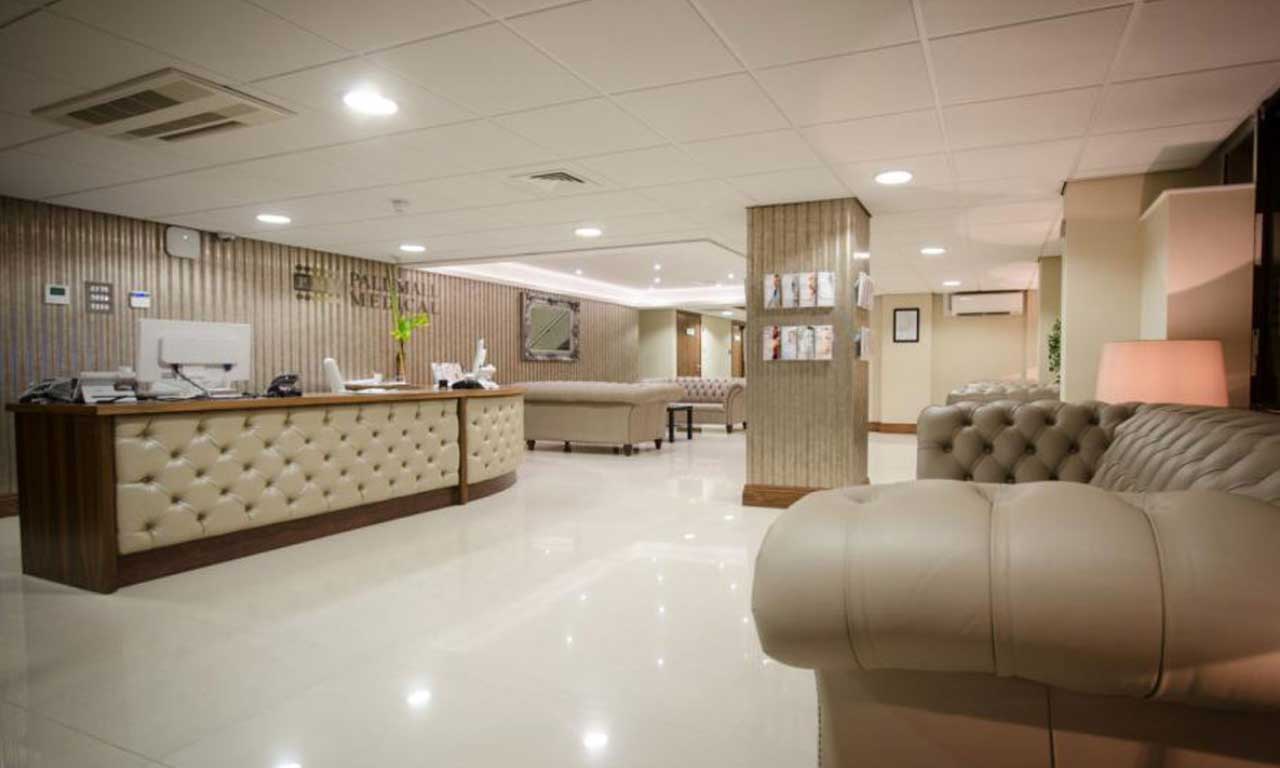
The Women's Health Clinic - Manchester
Pall Mall Medical, 61 King Street, Manchester, M2 4PD
The clinic can be approached from St Peter's Square and Manchester Piccadilly. NCP King Street West is a nearby parking option.
View the Manchester clinicHow to find us
Appointment hours
Appointments are arranged in advance. For questions about the clinic or treatment pathway, call 0800 488 0909.
Start with what you are noticing
Reasons women ask about Nu‑V
These concerns can justify a clinical conversation, but they do not by themselves establish a diagnosis or make CO₂ laser suitable.
Dryness, soreness or reduced lubrication
These symptoms may occur around menopause, during breastfeeding, after some medical treatments or for other reasons. Established medical and conservative options remain part of the discussion.
Postpartum change or mild laxity
Changes after birth, tearing or episiotomy may involve superficial tissue, pelvic-floor weakness, scar discomfort, prolapse or deeper structural change. These do not respond to the same treatment.
Discomfort during intimacy
Pain or discomfort is a symptom, not a diagnosis. Hormonal change, pelvic-floor tension, infection, vulval skin disease, scarring or another condition may need attention.
Mild bladder leakage
Urinary leakage has several possible causes. Pelvic-floor assessment, conservative care, medical review or specialist investigation may be more appropriate than laser treatment.
Menopause-related change
The vagina, vulva, bladder and urethra can all be affected by hormonal change. The NICE limits on vaginal laser for menopause-related genitourinary symptoms are explained below.
Uncertainty about the cause
You can describe what has changed in your own words. The useful first decision is which assessment route fits the concern, not which procedure to request.
Similar symptoms can have different causes
Hormonal, pelvic-floor, structural, dermatological, infectious and other medical causes can overlap. Understanding the likely cause protects against using an energy-based procedure where investigation, medicine, pelvic-health treatment or another route should come first.
Mechanism and boundaries
How CO₂ laser interacts with the treatment area
The intended tissue response is different from muscle rehabilitation, surgical tightening or structural repair.
The intended tissue response
Controlled CO₂ energy is delivered to the selected treatment area according to the device protocol. It creates a controlled thermal effect in superficial tissue with the intention of initiating a healing and remodelling response.
A proposed mechanism does not prove that an individual symptom will improve. Device type, settings, technique, treatment area, patient selection and clinical indication all affect how the evidence should be interpreted.
Internal treatment, optional external treatment or a combined plan must therefore be linked to a defined anatomical area and objective rather than applied as a general response to every intimate-health concern.
What Nu‑V does not do
It does not diagnose the cause of dryness, pain, leakage, laxity or another symptom.
It does not strengthen pelvic-floor muscles or retrain their coordination.
It does not repair significant prolapse, deep fascial separation, major perineal injury or another structural problem.
It does not reverse menopause or ageing and cannot replace treatment for infection, vulval disease or another diagnosed condition.
It does not guarantee tightening, lubrication, comfort, urinary improvement, sexual change or greater confidence.
CO₂ laser
Energy-based treatment of selected superficial internal tissue, with an optional separately assessed external component.
Pelvic-floor care
Assessment and rehabilitation of muscle function, coordination, strength, tension and related symptoms.
Surgical assessment
Consideration of anatomical repair where prolapse, deeper separation, significant laxity or perineal change is driving the concern.
Suitability
What is considered before Nu‑V is recommended
The clinical review brings together the symptom, likely cause, medical and screening context, anatomy, objectives, evidence and alternatives.
Hormonal and medical context
Dryness, irritation or tissue fragility may relate to menopause, breastfeeding, medicines, cancer treatment or another medical factor.
Lubricants, vaginal moisturisers, vaginal oestrogen where suitable, menopause care or further medical assessment may offer a more established route.
Pelvic-floor and structure
Pressure, looseness, leakage or post-birth change may involve muscle function, fascial support, prolapse, scarring or childbirth injury.
Pelvic-floor care, investigation or surgical assessment may be needed when the concern is not confined to superficial tissue.
Vulval, infectious and other causes
Burning, pain, irritation, discharge or visible tissue change may arise from infection, inflammatory skin disease, scarring, lesions or another condition.
Laser treatment must not be used to bypass diagnosis or treatment of an unexplained symptom.
Reasons to delay, avoid or seek another review
Treatment may need to be delayed, avoided or referred where there is pregnancy, active infection, unexplained bleeding, an undiagnosed lesion, a cervical-screening concern, significant prolapse, severe unexplained pain or another medical contraindication.
Recent procedures, healing problems, medicines, implanted devices or other aspects of medical history may also affect timing or suitability and should be discussed with the clinician.
Three possible outcomes from the consultation
Nu‑V remains an option: the objective, uncertainty, risks, limits and aftercare can be discussed in detail.
Another route comes first: medical treatment, menopause care, pelvic-floor support, investigation or treatment of another condition may be more appropriate.
CO₂ treatment is not recommended: the method does not match the concern, or the evidence and risk balance do not support it.
Your treatment pathway
From first question to aftercare
The procedure is one stage of a wider process. The sequence makes space for assessment, informed choice and support afterwards.
Private enquiry
Describe what has changed and ask initial questions. An introductory call is not the clinical consultation and cannot confirm suitability.
Clinical consultation
The clinician reviews symptoms, history, screening context, likely causes, treatment objectives and any examination findings relevant to the decision.
Decision and informed consent
The treatment area, evidence, uncertainty, alternatives, possible benefits, risks, fees and limitations are discussed before you decide whether to proceed.
Treatment and written aftercare
Where appropriate, the agreed internal area is treated. Any external addition is separately consented. You receive restrictions, warning signs and a route back to the clinic.
What happens during the procedure
A clinical applicator is used to deliver controlled CO₂ energy to selected areas of the vaginal lining according to the agreed plan. Optional external treatment involves only the separately assessed vulval area included in consent.
The Nu‑V procedure itself is typically around 15 minutes. Preparation, confirmation of consent and the aftercare discussion mean the total appointment is longer.
Comfort and privacy
Sensation varies between women and between internal and external treatment areas. The clinician explains what may be felt and the comfort measures appropriate to the agreed treatment.
The procedure should not be described as universally painless. You can ask to pause, clarify what is happening or revisit consent at any stage.
Risks, recovery and aftercare
What to expect after Nu‑V
Your written instructions should distinguish expected short-term effects from symptoms that need clinical advice.
Expected temporary effects
Short-term changes can occur
Temporary warmth, irritation, swelling, spotting, watery discharge or discomfort may occur. Some women return to gentle daily activity soon afterwards, but recovery is individual.
The expected pattern depends on whether internal tissue, external tissue or both were treated. The clinician explains what is normal for your plan.
Material complications
Less common risks still matter
Possible complications include infection, thermal injury or burn, scarring, persistent pain, altered sensation or pain during intercourse.
The consent discussion must relate these risks to the device, settings, treatment area, indication and your medical circumstances rather than describing risk in generic terms.
Temporary restrictions
You may be advised for a period to avoid intercourse, tampons, swimming, hot tubs or baths, strenuous exercise and heavy lifting. Use only aftercare products recommended by your clinician.
The exact restrictions and their duration depend on the area treated and how recovery is progressing; your written instructions take precedence over general information.
When to contact the clinic
Contact the clinic if symptoms are worsening rather than improving, if pain is persistent or severe, if you are worried about bleeding, discharge, infection or healing, or if anything feels different from the expected recovery discussed with you.
Urgent or severe symptoms should be assessed through the appropriate urgent medical service rather than waiting for a routine review.
Response and review
Realistic objectives without promised outcomes
Treatment goals are agreed individually. Response, timing and duration vary, and little or no improvement is possible.
Objectives that may be discussed
Depending on the clinical context, discussion may include tissue quality, hydration, comfort, selected superficial concerns or a feeling of mild laxity. These are objectives, not promised results.
Timing and duration
Any change and the time at which it is noticed vary. Hormonal context, life stage, tissue characteristics, underlying cause and the chosen objective can all affect follow-up.
No guaranteed result
No outcome can be guaranteed for vaginal comfort, lubrication, laxity, urinary symptoms, sexual function or confidence. A proposed biological response is not a prediction for one person.
A course or maintenance is decided after review
A single treatment, a structured course or later maintenance may be discussed, but none is automatic. The number and spacing of sessions should not be assumed from a package name or another woman’s plan.
Review considers what changed, what did not, any adverse effects, continuing goals and whether further treatment remains appropriate. Choosing not to repeat treatment is also a valid outcome of review.
Evidence and NICE guidance
The indication determines the evidence boundary
Vaginal-laser research cannot be reduced to a claim that laser works or does not work for every concern.
Why studies cannot be treated as interchangeable
Research differs by indication, patient group, device, wavelength, settings, treatment schedule, comparator, outcome measure and length of follow-up. Evidence about urogenital atrophy cannot automatically be applied to mild laxity, urinary symptoms, postpartum concerns or external vulval treatment.
Uncontrolled reports, observational studies and randomised sham-controlled trials provide different levels of certainty. Short-term safety observations do not establish long-term safety or durable benefit.
Responsible consent identifies the exact objective, the evidence relevant to it, uncertainty, possible risks, established alternatives and the possibility of little or no improvement.
The approved NICE boundaries
NICE HTG582: for transvaginal laser therapy for urogenital atrophy, NICE says the evidence on long-term safety and efficacy is inadequate in quality and quantity and that the procedure should only be used in the context of research.
NICE NG23: for genitourinary symptoms associated with menopause, NICE says not to offer vaginal laser treatment unless it is part of a randomised controlled trial.
What this means when menopause or GSM is part of the concern
The laser must not be presented as routine treatment for urogenital atrophy, GSM or menopause-related genitourinary symptoms. Established options and the NICE research or randomised-trial restriction must be discussed accurately. Another indication cannot be assumed simply because several symptoms occur together.
Fees and booking
Check the current pricing route
A clinical consultation is required before treatment. Depending on the circumstances, the consultation and treatment route may be nurse-led or doctor-led.
Fees, deposit terms and any course options can change. Use the current pricing page for the latest information, then confirm the applicable fee when your appointment is arranged.
View current pricingWhat the fee discussion should clarify
Whether the consultation is nurse-led or doctor-led.
Whether internal treatment alone or an optional external area is being considered.
Whether a single treatment or structured course is clinically appropriate.
What review, aftercare and contact support are included.
Your clinical team
Meet practitioners connected with your clinic
The clinicians involved should be appropriate to the consultation, treatment area, consent, aftercare and any alternative or referral pathway.
Sara Carson
Clinical Hypnotherapist Trauma-trained practitioner NCH and CNCH member Meet the practitioner Sara Carson Clinical Hypnotherapist & Trauma-Trained Practitioner…
Read MoreTahirah Y. Yasin
Psychotherapist & Clinical Supervisor 15+ years’ experience BACP accredited Meet the practitioner Tahirah Yasin Psychotherapist & Clinical Supervisor…
Read MoreKeran Haughton
Nu-V and Womens Health Practitioner Community health nursing background Registered nurse and prescriber Meet the practitioner Keran Haughton…
Read MoreJill Crowe
Director of Relationships 20+ years’ nursing experience Registered adult nurse Meet the practitioner Jill Crowe Director of Relationships…
Read MoreDr Farzana Khan
Women’s health doctor 20+ years’ medical experience GMC registered Meet the practitioner Dr Farzana Khan MD, MRCGP, DFFP…
Read MoreStill not sure where to start?
Browse the wider treatment pages or book a free consultation.
Frequently asked questions
Nu‑V CO₂ questions in Manchester
Clear answers about method, limitations, evidence, appointment time, risks, recovery and local access.
Is Nu‑V the same as every vaginal rejuvenation treatment?
Can Nu‑V tighten the vagina or strengthen the pelvic floor?
Can vaginal laser be used for menopause-related dryness or GSM?
How long does the Nu‑V procedure take?
What effects might I notice immediately afterwards?
What are the more serious risks?
Will I automatically need three treatments or an annual top-up?
Where is Nu‑V provided for Manchester?
A private next step
Discuss what has changed before choosing a treatment
You can ask about Nu‑V, another intimate-health pathway or whether further assessment would be more useful. The conversation should leave you clear about the options, evidence, limits and next steps.
