

Intimate polynucleotides in Canary Wharf, London
Intimate Polynucleotides at Canary Wharf, London
Intimate polynucleotides are a non-surgical injectable regenerative treatment being explored for vulval and vaginal tissue quality, hydration, comfort and intimate wellbeing in selected women.
They are not fillers, hormones, toxins or a cure. Polynucleotides are DNA-derived fragments used in regenerative medicine contexts to support tissue quality pathways. In intimate health, evidence is still emerging, so careful assessment and realistic expectations matter.
At our Canary Wharf clinic, this is handled as a doctor-led consultation first. We discuss symptoms, menopause or postpartum context, medical history, first-line options, alternatives, risks and suitability before any treatment is advised.
Why women often enquire
Women often ask about intimate polynucleotides when exploring regenerative support for tissue quality, hydration, comfort or intimate changes after menopause, childbirth or ageing.
What the consultation is for
The consultation helps decide whether polynucleotides, first-line care, vaginal rejuvenation, PRP, menopause care, pelvic floor support, or medical assessment is the better starting point.
Educational only. Not a diagnosis or medical advice. Suitability is confirmed after consultation and assessment. Results vary. Not a cure. Not suitable during pregnancy or breastfeeding. Fish allergy must be disclosed.

At a glance
Intimate polynucleotides are a minimally invasive injectable treatment class used in some regenerative pathways. In intimate health, they may be considered for selected women seeking tissue quality, hydration or comfort support, but direct intimate evidence remains limited and suitability is individual.
Treatment summary
Treatment type
injectable regenerative biostimulator
Area treated
vulval and/or vaginal tissue, if suitable
Sessions
often planned as a course; individual plan varies
Recovery
usually short; aftercare required
Results
gradual, variable, not guaranteed
Consultation
doctor face-to-face consultation advised
Important safety note
Dryness, pain, urinary symptoms, bleeding, irritation or vulval skin changes can have different causes. Polynucleotides should not replace medical assessment, menopause care, vaginal moisturisers, lubricants, vaginal oestrogen or other established options where these are appropriate.
For many women, the first important decision is not whether to have intimate polynucleotide treatment, but where to begin the conversation. Our Canary Wharf clinic offers a discreet, easy-to-reach East London setting for women exploring vulval or vaginal tissue support, menopause-related change, postpartum concerns, dryness, comfort and regenerative intimate health options.
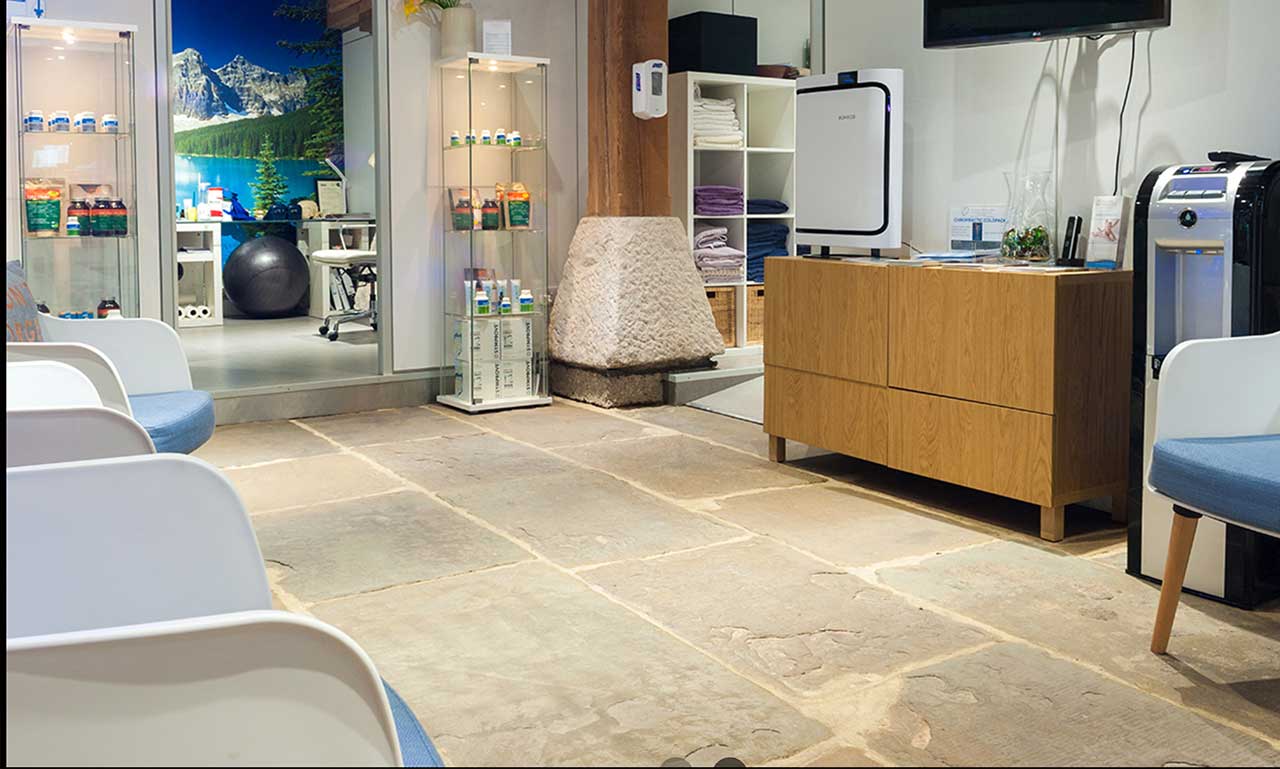
Canary Wharf setting
A discreet East London clinic in the Port East Buildings
Situated within the Port East Buildings at West India Quay, our Canary Wharf clinic sits close to the financial district and the historic dockside warehouses of East London. The surrounding area brings together London’s maritime past and modern Canary Wharf, making it a practical setting for women who want specialist intimate health care without turning a sensitive appointment into a major journey.
For intimate polynucleotides, the setting matters because the conversation should be private, evidence-aware and assessment-led. The consultation can cover vulval and vaginal tissue symptoms, menopause or postpartum context, first-line care, allergies including fish allergy, alternatives and whether treatment is appropriate at all.
Service overview at Canary Wharf
Understanding intimate polynucleotides
Intimate polynucleotides are one possible regenerative injectable option within a wider intimate health and vaginal wellness discussion. At our Canary Wharf clinic, the aim is to assess properly first, explain clearly, and help you understand whether polynucleotides or another route may be more appropriate.
Regenerative intimate tissue support, explained clearly
Polynucleotides are chains of nucleotides — the building blocks of DNA — used in some regenerative medicine and aesthetic medicine settings. In intimate health, they are being explored as injectable biostimulators for vulval and vaginal tissue support.
They are usually derived from highly purified fish sources such as salmon or trout. This does not mean they are “fish DNA placed permanently into the body”; rather, purified DNA-derived fragments are used as part of a temporary injectable treatment pathway. Fish allergy must always be discussed before treatment.
Important point
Polynucleotides should not be presented as reversing menopause, repairing DNA, curing dryness or permanently regenerating intimate tissue.
Why the cause matters
Dryness, vulval irritation, soreness, painful intimacy, urinary symptoms, bleeding, altered tissue quality or discomfort can have many causes. Some women need menopause care, vaginal moisturisers, lubricants, vaginal oestrogen, dermatology review, infection treatment, pelvic floor support or further assessment before any injectable treatment is considered.
May be discussed
Assessment is important if there is
What to expect
Your Canary Wharf polynucleotide consultation journey
The injection appointment may be relatively short, but the clinical decision should be careful. The aim is to match treatment to symptoms, anatomy, medical context and realistic goals.
1. Doctor consultation
We review your symptoms, medical history, menopause or postpartum context, current treatments, medications, allergies, expectations and whether first-line care has been considered.
2. Assessment and planning
The treatment area may be vulval, vaginal or wider vulvo-vaginal depending on suitability. Product choice, route and number of sessions are discussed before proceeding.
3. Treatment session
Local comfort measures may be used. The area is cleaned and the polynucleotide product is placed using a careful injectable technique.
4. Aftercare and review
You receive aftercare guidance, what to expect, what to avoid temporarily, when to contact the clinic, and whether further sessions may be appropriate.
Who commonly explores this
Dryness, tissue quality, menopause, postpartum change and comfort
Many women searching for intimate polynucleotides in London are really trying to understand a more specific concern around tissue quality, hydration, soreness or intimate change.
When dryness or tissue change affects comfort
Lower oestrogen levels can affect the vulva, vagina, bladder and urethra. Intimate polynucleotides are not a replacement for established first-line care, but may be discussed where a woman wants additional tissue-quality support after proper review.
After pregnancy, birth or breastfeeding
Some women notice tissue changes after pregnancy, birth, breastfeeding, tearing, episiotomy, prolonged labour or pelvic floor change. Polynucleotides may be discussed as one possible tissue-support option, but postpartum concerns often need broader review.
Outcomes & expectations
What women are often hoping to understand
Women often come to Canary Wharf hoping to understand whether intimate polynucleotides could support comfort, hydration, tissue resilience, reduced irritation or confidence. These are goals for discussion, not promised outcomes. Educational only. Results vary. Not a cure.
Explore the conditions we assess
Browse the treatments and conditions below to learn more about related symptoms, intimate health concerns, and treatment pathways. If you cannot find what you are looking for, use the FAQ bubble to continue your search.
Guide pricing at Canary Wharf
Intimate polynucleotides pricing
We advise a doctor face-to-face consultation before treatment so that symptoms, suitability, expectations, alternatives and the treatment plan can be properly reviewed. Treatment pricing depends on product, number of sessions, area treated and clinical plan.
Doctor face-to-face consultation
Recommended before treatment so the cause of symptoms, suitability, risks and alternatives can be properly assessed.
Polynucleotide treatment
Treatment pricing depends on product, number of sessions, area treated and clinical plan. Please check the pricing page for current treatment fees.
Other options may be advised
Some women may be better suited to menopause care, moisturisers, lubricants, pelvic floor support, vaginal rejuvenation, PRP or another pathway.
Before booking treatment
Consultation and suitability come first
Intimate polynucleotides are considered only when the treatment goal, symptoms, medical background and expectations make sense. Results vary, and treatment is offered only when clinically appropriate.
Reviews
Experiences shared by women like you
Women considering intimate polynucleotides often want reassurance that the consultation will feel calm, private and respectful. These Canary Wharf reviews reflect the kind of supportive experience many patients value.
“Gaynor was really lovely and friendly, explaining everything thoroughly and making me feel relaxed. Highly recommend — everything was excellent :)”
— Shanice Gurung
“The place is lovely, but it is Gaynor that makes the experience more comfortable. She explains everything and puts you at ease. It’s like going to see an old friend.”
— Debbie Potts
“I’d like to express my deepest appreciation to Gaynor and her team. I was treated professionally, with compassion and kind hands.”
— Jodie
Watch patient stories, case studies and media features
Explore our video gallery to hear real patient experiences, learn more through case-based discussions, and watch selected media coverage featuring our work and approach.
Why Canary Wharf
A calm East London setting for women who want sensitive regenerative intimate health care close to Canary Wharf, West India Quay and the surrounding business district.
Local trust
Why the Canary Wharf location matters
Choosing Canary Wharf is not just about convenience. For many women considering intimate polynucleotides, it is about being able to access specialist women’s health care in a discreet setting that fits around work, home and daily commitments.
Our clinic at Port East Buildings gives East London residents, Canary Wharf professionals and women travelling from the Docklands area a clear local destination for consultation-led polynucleotide treatment discussions and wider intimate wellness care.
How to find us
Visit our Canary Wharf clinic
We operate from the Wellness Centre on the ground floor of Port East Buildings at 14 Hertsmere Road, directly facing the West India Quay multi-storey car park.
Rail links
West India Quay DLR is around 4 minutes away on foot. Westferry DLR is around 5 minutes away, and Canary Wharf Underground on the Jubilee line is approximately 8 minutes away on foot.
Bus routes
Nearby bus stops serve the Canary Wharf and West India Quay area. London buses are low-floor and ramp-equipped.
Accessibility
Wheelchair access is available on the right-hand side of the building’s main stairs. The clinic is on the ground floor, with accessible entrance arrangements and suitable facilities.
Parking
West India Quay multi-storey car park is directly opposite the Port East Buildings. Please check current availability, charges and access arrangements before travelling.
Plan your journey
For live updates, route planning, and current service status, we recommend using the TfL journey planner or your preferred navigation app with the postcode E14 4AF.
The team at Canary Wharf
Meet the people behind your care
Explore the Canary Wharf team connected to this pathway.
Sara Carson
Clinical Hypnotherapist Trauma-trained practitioner NCH and CNCH member Meet the practitioner Sara Carson Clinical Hypnotherapist & Trauma-Trained Practitioner…
Read MoreTahirah Y. Yasin
Psychotherapist & Clinical Supervisor 15+ years’ experience BACP accredited Meet the practitioner Tahirah Yasin Psychotherapist & Clinical Supervisor…
Read MoreGaynor Owen
Nu-V Coordinator and Practitioner Performing Nu-V since 2017 Registered nurse Meet the practitioner Gaynor Owen Nu-V Coordinator and…
Read MoreJill Crowe
Director of Relationships 20+ years’ nursing experience Registered adult nurse Meet the practitioner Jill Crowe Director of Relationships…
Read MoreDr Farzana Khan
Women’s health doctor 20+ years’ medical experience GMC registered Meet the practitioner Dr Farzana Khan MD, MRCGP, DFFP…
Read MoreStill not sure where to start?
Browse the wider treatment pages or book a free consultation.
Find the right path
Start with the concern that feels most relevant to you
You do not need to self-diagnose. These pathways are here to help you explore common concerns and take the next step with more clarity.
FAQs
Questions women ask about intimate polynucleotides at Canary Wharf
A simple starting point. Final suitability, diagnosis, and treatment planning are confirmed after consultation and assessment.
Can I book intimate polynucleotides at the Canary Wharf clinic?+
What are intimate polynucleotides?+
How do intimate polynucleotides work?+
Are intimate polynucleotides suitable after menopause?+
Can intimate polynucleotides help with vaginal dryness?+
Will I need an examination before treatment?+
Who may not be suitable?+
I have a fish allergy — can I still have treatment?+
Are polynucleotides the same as O-Shot or PRP?+
How much does treatment cost at Canary Wharf?+
Is the Canary Wharf clinic easy to get to?+
Educational only. Not a diagnosis or medical advice. All treatment suitability is confirmed after consultation and clinical assessment. Results vary. Not a cure. Intimate polynucleotides are not a replacement for proper medical assessment or established care where those are more appropriate.

