
Rosacea treatment UK
Rosacea Treatment UK — Doctor-Led Care for Redness, Flushing, Bumps and Sensitive Skin
Rosacea can cause repeated flushing, persistent redness, visible vessels, burning or stinging, acne-like bumps, skin sensitivity and, in some people, eye irritation.
At The Women’s Health Clinic, rosacea is assessed carefully before treatment is recommended. We look at your pattern of redness, triggers, skincare tolerance, medication history, hormonal context, previous treatments and whether another skin condition may be contributing.
The aim is not to over-strip sensitive skin or sell a generic facial. It is to build a sensible, stepwise rosacea plan — from trigger control and barrier support through to prescription-led treatment, redness-focused options, light-based treatment or referral where appropriate.
Common rosacea patterns we assess
Rosacea can look different from one person to another. Pattern recognition matters.
What may be discussed
Your plan may combine trigger control, skin barrier support, medical options and selected clinic-based treatments.
Educational only. Not a diagnosis or medical advice. Suitability is confirmed after consultation and assessment. Results vary. Not a cure.
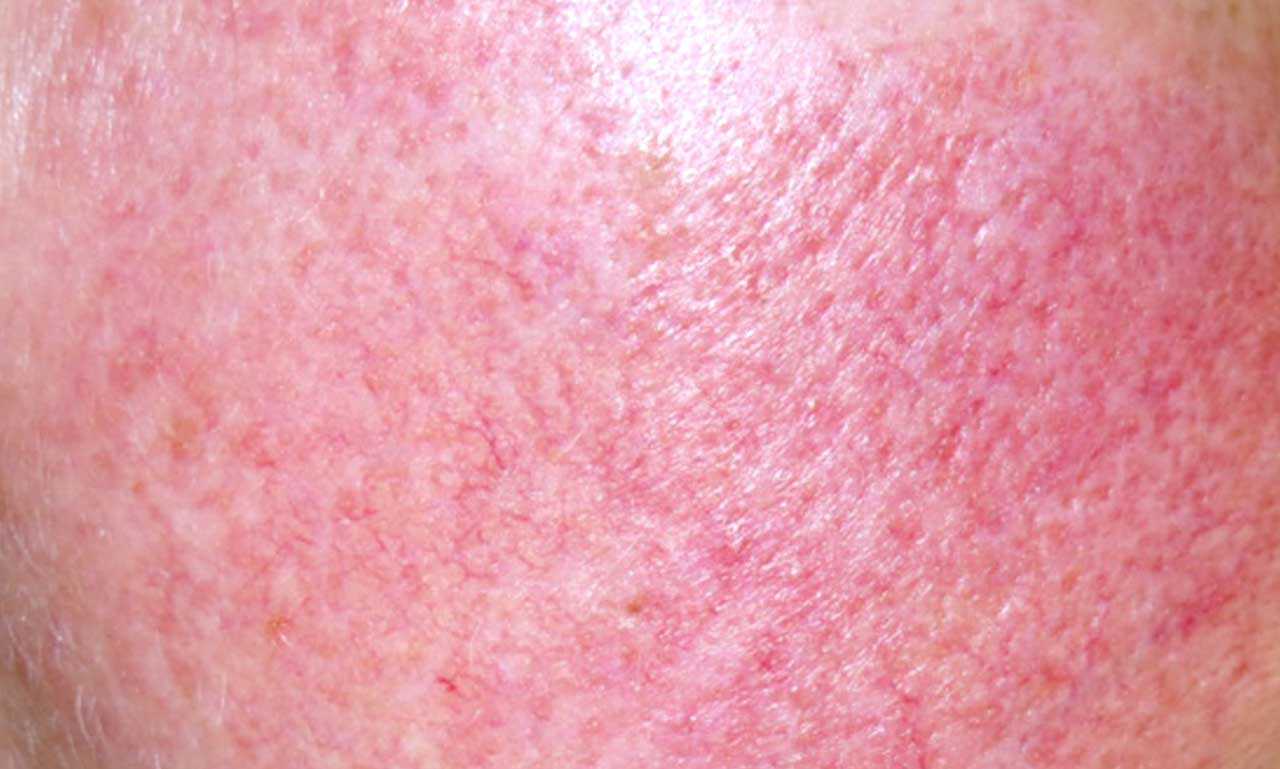
At a glance
Rosacea care starts with identifying whether the main issue is flushing, persistent redness, bumps, sensitivity, visible vessels, eye symptoms or another condition that resembles rosacea.
Pattern-led
Redness, flushing, bumps and sensitivity reviewed separately
First step
clinical skin review
Approach
calming and staged
Focus
redness + sensitivity
Timeline
usually ongoing care
Especially relevant
Perimenopause, stress, skincare irritation and heat can influence flushing
Trigger-led assessment
We look at heat, sunlight, alcohol, spicy foods, stress, skincare irritation, hormones and previous treatment response.
Clear next-step plan
Your plan may include barrier repair, topical treatments, oral treatment review, redness support or referral where needed.
Clinical appropriateness first
We only consider treatment where there is a clear medical, functional or psychological wellbeing context and where treatment is clinically appropriate after assessment.
We do not provide trend-led or appearance-only treatment where expectations are unrealistic, suitability is unclear, or a safer alternative pathway is more appropriate.
What is rosacea?
Rosacea is a long-term inflammatory skin condition that commonly causes flushing, persistent redness, sensitivity, visible vessels and acne-like bumps. It may come and go, and different people experience different combinations of symptoms.
Rosacea is not the same as acne, although papules and pustules can look acne-like. It is also not simply “sensitive skin.” A careful assessment helps separate rosacea from acne, dermatitis, perioral dermatitis, lupus-type rashes, medication reactions and other causes of facial redness.
Flushing and persistent redness
Some people mainly experience repeated flushing, heat, burning, stinging or redness that becomes more persistent over time.
Papules, pustules and inflammation
Rosacea can cause red bumps and pustules that may look like acne, but treatment is different and harsh acne routines can worsen irritation.
Eye symptoms and complex rosacea
Dry, gritty, sore or irritated eyes may suggest ocular involvement and should be assessed appropriately. Severe or unusual symptoms may need referral.
The balanced way to think about rosacea treatment
Good rosacea care is rarely about one cream or one procedure. It is usually a structured plan: identify triggers, calm the skin barrier, reduce inflammation, avoid unnecessary irritation, then consider redness-focused treatments only when suitable.
Who is rosacea treatment for?
Rosacea treatment may suit people struggling with recurrent flushing, persistent redness, sensitive skin, bumps, visible vessels, burning, stinging or flare-ups triggered by heat, sunlight, stress, alcohol, spicy food or skincare.
People with persistent redness or flushing
If redness is recurring, lasting longer than expected, or triggered by heat, alcohol, hot drinks, spicy foods or stress, a structured assessment can help.
People with acne-like rosacea bumps
Papules and pustules from rosacea can be mistaken for acne. Treatment may need anti-inflammatory rosacea care rather than stronger acne products.
People whose skincare keeps making redness worse
Rosacea-prone skin often reacts to exfoliants, acids, fragrance, foaming cleansers or active-heavy routines. Simplifying the routine can be part of treatment.
When referral may be needed
Eye symptoms, thickened skin changes, severe inflammation, unclear diagnosis or poor response to standard treatment may need GP, dermatology or eye specialist review.
Rosacea patterns — redness, bumps, sensitivity and eye symptoms
Rosacea is often mixed. One person may mainly flush, another may have papules and pustules, and another may have visible vessels, eye irritation or intense skin sensitivity.
What we look for
A careful skin history helps identify whether rosacea is the main diagnosis and which symptoms are driving treatment choice.
Flushing-led rosacea
Redness may come and go at first, often triggered by heat, alcohol, stress, exercise, sun exposure or hot drinks.
Papulopustular rosacea
This pattern can resemble acne, with inflamed bumps or pustules, but the treatment approach is usually different from acne treatment.
Vessel and redness-focused rosacea
Visible vessels and persistent redness may need different planning from inflammatory bumps, including discussion of light-based treatment where suitable.
Ocular rosacea possibility
Dry, gritty, sore, red or irritated eyes should be taken seriously and may require GP, optometry, ophthalmology or dermatology input.
Why this matters
A treatment that helps inflammatory bumps may not fully address persistent redness. A redness cream may not suit everyone. A laser or IPL plan may be inappropriate during active inflammation. Matching the method to the pattern is essential.
How rosacea treatment works
The safest rosacea plan is usually staged. We first confirm the pattern, reduce irritation, support the skin barrier, then introduce treatment carefully and review response.
1. Consultation and skin history
We review redness pattern, flushing triggers, bumps, eye symptoms, skincare routine, medication history and previous treatment response.
2. Barrier and trigger plan
We simplify irritating routines, support the skin barrier, identify triggers and build sun protection into the plan.
3. Active treatment
Treatment may include topical options, oral treatment review, redness-focused care, laser/IPL review or referral where suitable.
4. Review and maintenance
Rosacea often needs ongoing management. We review tolerance, flare frequency, redness, bumps and maintenance needs.
Treatment methods we may use for rosacea, redness and sensitive skin
Rosacea is the condition. The treatment method depends on whether the main concern is flushing, persistent redness, visible vessels, papules, pustules, burning, sensitivity, eye symptoms or thickened skin change. Some patients need a simple barrier-first plan. Others need prescription-led treatment or referral.
Barrier-first skincare
A gentle routine, fragrance avoidance, barrier support and daily SPF are often the foundation before stronger treatment.
Prescription-led options
Depending on the pattern, topical treatments such as azelaic acid, metronidazole, ivermectin or redness-specific options may be discussed.
Oral treatment review
For more inflamed papules and pustules, oral treatment may be discussed or referred for prescribing review where appropriate.
Laser / IPL review
Persistent redness and visible vessels may be discussed for vascular laser or IPL review, but timing and suitability matter.
Why a staged pathway matters
Rosacea-prone skin can flare when over-treated. It is usually better to stabilise the barrier and reduce irritation before introducing stronger active treatment or devices.
Why we avoid one-size-fits-all packages
Flushing, persistent redness, bumps, eye symptoms and sensitivity do not all respond to the same treatment method.
When referral may be needed
Some rosacea symptoms should not be managed only in an aesthetic setting. Eye pain, visual symptoms, severe ocular irritation, thickened skin changes, severe inflammation or unclear diagnosis may need GP, dermatology or eye specialist review.
If symptoms are severe, rapidly worsening or not responding as expected, referral may be the safest next step.
For women whose flushing overlaps with perimenopause, stress physiology, heat intolerance or medication changes, rosacea care may sit alongside wider women’s health assessment.
This is where WHC’s broader women’s health background can be especially useful.
Rosacea results need honest context
Rosacea improvement depends on triggers, treatment consistency, skin barrier tolerance, sun exposure, flare control and whether redness, bumps or vessels are the main concern. The goal is usually better control, not a guaranteed cure.
Book Free ConsultationBefore & after
Images are shown for illustration and educational purposes only. Individual results vary, and no treatment outcome can be guaranteed. Suitability and expected results are discussed during consultation.
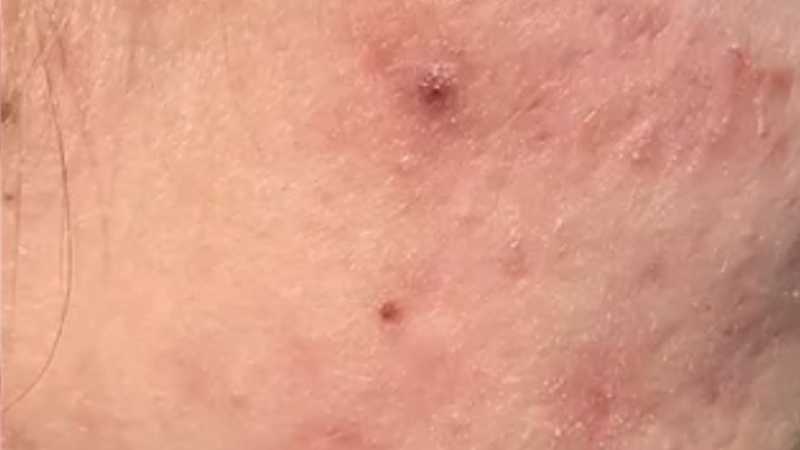
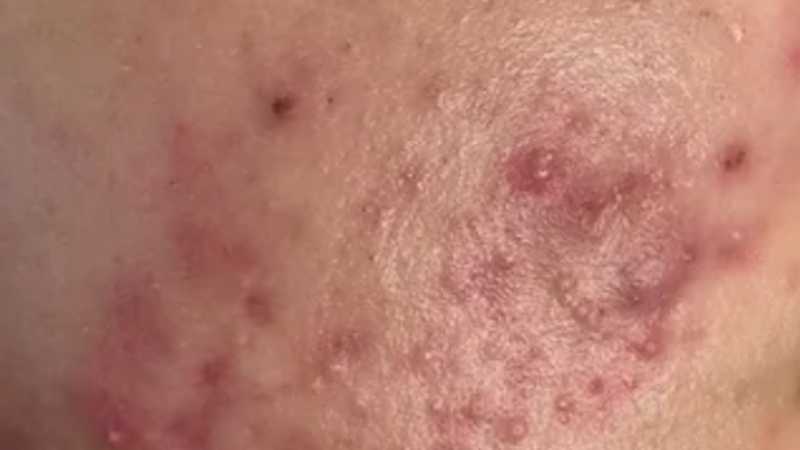
Why choose a structured rosacea plan?
Rosacea treatment works best when triggers, skin barrier, inflammation, redness pattern, eye symptoms and maintenance are all considered together.
Calm irritation first
Sensitive, rosacea-prone skin often needs a calmer baseline before prescription actives or device-based treatments are introduced.
Match treatment to the pattern
The plan for papules and pustules may differ from the plan for persistent redness, visible vessels or eye symptoms.
Plan for maintenance
Rosacea often fluctuates. Long-term trigger awareness and maintenance can be as important as active treatment.
Fewer uncontrolled flares
The aim is to reduce flare frequency and severity, not to aggressively dry or strip the skin.
Better skincare tolerance
A simpler, barrier-focused routine can reduce irritation and help the skin tolerate treatment more comfortably.
Confidence and wellbeing
Visible redness and flare-ups can affect confidence, work, social life and makeup choices. It deserves practical and compassionate care.
Realistic timing
Inflammatory bumps may improve before background redness. Redness and vessels may need a different timescale and treatment route.
Benefits patients may be looking for
Patients usually want more than “less redness.” They want clearer guidance, fewer flare-ups, calmer skin, less stinging, a safer routine, and a plan that explains what can and cannot realistically improve.
Results vary. Suitability is always confirmed after consultation and assessment.
Rosacea treatment prices UK
Featured consultation price and full pricing guidance
Rosacea treatment pricing depends on the route recommended after assessment. Some patients need skincare and trigger guidance only. Others may need prescription-led treatment, oral treatment review, laser/IPL review, eye referral or maintenance care. For the most complete and up-to-date information, please check our full pricing page.
Free initial enquiry
A short enquiry call to understand your concern and guide you towards the most appropriate appointment or pathway.
Initial enquiry call
Rosacea consultation
A focused clinical review of redness pattern, triggers, skincare tolerance, previous treatments and possible treatment methods.
Featured starting price
Treatment pricing
Prescription-led treatment, skincare review, oral treatment review, laser/IPL and follow-up care are priced according to the plan recommended.
Full price list
Why prices vary
Rosacea is not treated with one fixed package. A person with flushing-led redness may need a different plan from someone with papules, pustules, visible vessels, ocular symptoms or highly reactive skin.
What may affect the final cost?
Check the full pricing page
We are building a central pricing page so patients can check treatment costs in one place. This rosacea page gives the featured starting point, but the full pricing page should be treated as the main source for detailed and updated prices.
Prices may vary depending on assessment, treatment suitability, prescription requirements, treatment combinations and follow-up needs. Please check the full pricing page and confirm costs before proceeding.
Risks, limitations and when rosacea needs medical review
Rosacea treatments can be helpful, but they must be chosen safely. Skin sensitivity, pregnancy, breastfeeding, eye symptoms, medication history and uncertain diagnosis all matter.
Prescription safety
Some rosacea medicines are unsuitable in pregnancy, breastfeeding, certain medical conditions or with particular medications. A safe plan depends on your history.
Eye symptoms need care
Dry, painful, gritty, red or light-sensitive eyes should not be ignored. Ocular symptoms may need GP, optometry, ophthalmology or dermatology input.
Laser, IPL and redness treatment limitations
Laser or IPL may help selected redness or visible vessels, but it is not suitable for every rosacea pattern and may be inappropriate during active flares.
Seek medical review if redness is unusual, painful or affecting the eyes
Cosmetic-style redness treatment should not be used to treat uncertain rashes, painful eye symptoms, sudden facial swelling, suspected infection, changing lesions or symptoms that need urgent medical assessment.
Educational only. This page does not replace medical diagnosis, prescribing advice or urgent care. Suitability, risks, alternatives and expected outcomes must be discussed during consultation. Results vary. Not a cure.
Rosacea Treatment FAQs
Clear answers to common questions about rosacea, facial redness, flushing, acne-like bumps, triggers, skincare, laser/IPL and treatment planning.
The exact cause is not fully understood. Rosacea is linked with skin inflammation, blood vessel reactivity, skin barrier sensitivity, immune response, Demodex mite overgrowth in some people, genetics and environmental triggers.
No. Rosacea can cause acne-like bumps and pustules, but it is not the same as acne vulgaris. Harsh acne treatments, scrubs and strong exfoliants may worsen rosacea-prone skin.
Common triggers include sunlight, heat, alcohol, hot drinks, spicy foods, stress, exercise, wind, temperature changes and irritating skincare. Triggers vary between individuals.
Rosacea is usually managed rather than cured. Treatment can often help control symptoms and reduce flare-ups, but ongoing maintenance and trigger awareness are usually important.
Treatment may include gentle skincare, sun protection, trigger management, topical options such as azelaic acid, metronidazole or ivermectin, oral treatment review, redness-focused medicines, laser/IPL review or referral where needed.
Azelaic acid may be used for selected papulopustular rosacea and inflammation. It can irritate some sensitive skin, so suitability and tolerance should be reviewed clinically.
Ivermectin cream may be considered for selected mild-to-moderate papulopustular rosacea. It is not suitable for everyone, and pregnancy or breastfeeding status must be considered.
Laser or IPL may help selected persistent redness or visible vessels, but suitability depends on skin tone, redness pattern, active inflammation, medical history and treatment expectations.
Many people with rosacea benefit from a gentle cleanser, barrier-supporting moisturiser, daily SPF and avoidance of fragrance, scrubs, harsh acids and over-exfoliation. The right routine depends on individual tolerance.
Yes. Ocular rosacea can cause dry, gritty, sore, red or irritated eyes and eyelid inflammation. Eye symptoms should be assessed appropriately and may need specialist input.
Some women find flushing becomes more noticeable around perimenopause or menopause. This may overlap with rosacea triggers, heat sensitivity and skin barrier changes, so the wider context matters.
Inflammatory bumps may improve over weeks, while persistent redness and visible vessels may need longer or a different treatment route. Review timing depends on the treatment used and skin tolerance.
The featured starting price for a rosacea consultation is from £150. Further treatment costs depend on whether you need skincare support, prescription-led treatment, oral treatment review, laser/IPL review or follow-up care. Please check the full pricing page for detailed and updated pricing.
Rosacea can flare again, especially when triggers return or maintenance is stopped. Treatment aims to improve control and reduce flare frequency, not guarantee permanent cure.
Your next steps
1. Book your free consultation
2. Talk through your redness, flushing and skin sensitivity
3. Have a clinical skin assessment if appropriate
4. Receive a personalised rosacea plan
5. Review progress and adjust safely
If redness, flushing or skin sensitivity is affecting your confidence or daily life, you do not need to guess your way through irritating products. A structured consultation can help clarify the safest next step.
Clinical references used for this page
This page is educational and should be reviewed clinically before publication. The references below support general rosacea education, common triggers, treatment options, ocular rosacea context and safety-first treatment planning.
NICE Clinical Knowledge Summary
Supports stepwise rosacea management, including topical and oral options and referral considerations.
British Association of Dermatologists
Patient information on rosacea symptoms, triggers and self-care principles.
NHS rosacea guidance
Explains rosacea symptoms, GP treatment options and referral where treatment is not working.
DermNet ocular rosacea resource
Used for general educational context on eye symptoms and specialist management considerations.
References
- 1. NICE CKS: Rosacea management and prescribing guidance.
- 2. British Association of Dermatologists: Rosacea patient information.
- 3. NHS: Rosacea symptoms and treatment overview.
- 4. DermNet: Ocular rosacea educational resource.
Watch patient stories, case studies and media features
Explore our video gallery to hear real patient experiences, learn more through case-based discussions, and watch selected media coverage featuring our work and approach.
Healthy sex and vaginal rejuvenation social norms
The Influence of Journalists 1. Healthy sex and vaginal rejuvenation social norms2. The Only Thing That Needs Rejuvenating…
Read MoreAll-Party Parliamentary Group on Women’s Health
Earlier this week, Emma Soos, managing director of The Women’s Health Clinic attended the All-Party Parliamentary Group on…
Read MoreShowbiz Vaginal Rejuvenation
Celebrity Vagina – Why is it always in the News? Its 2022 and the “Vagina” is still a…
Read MoreTHE WOMENS HEALTH CLINIC LTD RECEIVES FEEFO GOLD TRUSTED SERVICE AWARD 2019
THE WOMENS HEALTH CLINIC LTD has won the Feefo Gold Service award, an independent seal of excellence that…
Read MoreFDA warning – Vaginal Rejuvenation
The Women’s Health Clinic (TWHC) Statement on FDA’s “Vaginal Rejuvenation” Warning and Potential Health Risks Exploring the implications…
Read More02 May 2018
We love it when our patients get results that they just want to shout about. After her appearance…
Read More23rd April 2018
Like most new-Mum’s, Kate Middleton might know that kegals are important, but perhaps not how to get them…
Read More15 April 2018
A huge good luck to our very own Laura Spicer who is running the Brighton marathon today to…
Read More8 April 2018
Does menopause ruin your sex life asks the Daily Mail? ‘No, it doesn’t have to!’ says our very…
Read More04 April 2018
A new jab, Bulkamid, has been announced that can aid bladder problems. The injection aims to bulk up…
Read More01 April 2018
Due to additional demand we are pleased to announce that we are now offering a Tuesday clinic in…
Read More23rd March 2018
Anddddddd, the feedback’s in – our nurses are pretty amazing! Take a look at some of the latest…
Read More21st March 2018
We are pleased to announce that The Women’s Health Clinic has welcomed on board gynaecologist Dr.Vivek Nama. With…
Read More19 March 2018
Why see your GP for 7-minutes when you can see our expert nurses for an hour at a…
Read More18 March 2018
We,re in the newspapers again! This time commenting on Kate Middleton’s pregnancy, the great thing about The Women’s…
Read More13 March 2018
Some worrying news in the papers this morning as the Daily Mail reveals that a new booklet is…
Read More11 March 2018
Did you know an iron tablet can be one of your first weapons in the menopause battle? Read…
Read More7th March 2018
I’ve seen some awful memes on social media comparing women’s body parts to baguettes!’ Our very own Managing…
Read More28th February 2018
Our nurses have some amazing specialities. Here our Women’s Health Clinic MD and urology nurse Emma Soos shares…
Read More19th February
Did you know it’s almost a decade since Jade Goody died of cervical cancer, and so many of…
Read More08 Feb 2018
It’s almost a decade since Jade Goody died of cervical cancer, and so many of us are still…
Read More06 Feb 2018
Today we supported our friends at Sling the Mesh and visit the House of Lords on the 100th…
Read More02 Feb 2018
What sort of conditions do we treat? The answer is as long as a piece of string but…
Read MoreKim Hanson on Daily Mail
The Women’s Health Clinic would like to make a statement that we actively support our patient Kim Hanson.…
Read MoreNews just in – we received ‘Commended’ at this years Aesthetics Awards!
Congratulations to, well, us! First of all, we were overjoyed to be simply nominated in the Small Group…
Read MoreWe’re live on Disruptive TV!
This year’s Giant Healthcare event took place in London and was broadcast live on Disruptive TV. Reporting on…
Read MorePatient Sara Carson on the Jeremy Vine show
At The Women’s Health Clinic we know our treatments can really make a difference and so when a…
Read MoreBBC Radio Bristol
As her 9th clinic opens, Managing Director Emma Soos spoke to BBC Bristol about why The Women’s Health…
Read MoreBBC Radio Nottingham
Emma Soos was welcomed into the BBC Radio Nottingham studio’s to talk to presenter Mark Dennison about The…
Read MoreCoronavirus Update
Updates on The Women’s Health Clinic’s Coronavirus (COVID-19) actions Please note: this page will be regularly updated (bookmark…
Read MoreLyndsey Hiatt on The Sun speaking about Nu-V
Original Nu-V article in The Sun – used for reference purpose only ‘IT CHANGED MY LIFE’ Holly…
Read MoreCoronavirus
Coronavirus policies 4.1 The Women’s Health Clinic recognises that the outbreak of a new strain of coronavirus SARS…
Read MoreStill not sure where to start?
Browse the wider treatment pages or book a free consultation.
Browse our women’s health FAQs
Find clear answers to common questions about consultations, treatments, symptoms, preparation, aftercare, pricing and what to expect when visiting The Women’s Health Clinic. Use the FAQ bubbles below to continue exploring.
