
Expression lines treatment UK
Expression Lines Treatment UK — Doctor-Led Care for Forehead Lines, Crow’s Feet and Dynamic Wrinkles
Expression lines are the creases that appear when the face moves — raising the eyebrows, smiling, laughing, squinting or frowning. They commonly include forehead lines, crow’s feet, smile-related lines around the eyes and other dynamic wrinkles.
At The Women’s Health Clinic, expression lines are assessed carefully before any treatment is recommended. We look at facial movement, muscle strength, brow position, skin quality, asymmetry, medical history, previous injectable treatment and whether lines are dynamic, static or mixed.
The aim is to build a safe, natural-looking plan — often focusing on softening excessive movement while preserving expression, and considering skin-quality treatments where lines are already visible at rest.
Common expression lines we assess
Movement lines are not all the same. Pattern, depth and facial balance matter.
What may be discussed
Your plan depends on movement pattern, safety and whether lines are visible at rest.
Educational only. Not a diagnosis or medical advice. Suitability is confirmed after consultation and assessment. Results vary. Not a cure.
At a glance
Expression line care starts by separating dynamic movement lines from static etched lines. The safest treatment route depends on muscle activity, brow position, skin quality and your medical history.
Movement-led
Dynamic lines and lines at rest reviewed separately
First step
facial assessment
Approach
subtle and balanced
Focus
movement + skin quality
Timeline
review and maintenance based
Especially important
Brow position, eyelid heaviness, asymmetry and medical history affect suitability
Expression-preserving care
The aim is usually softening excessive movement, not freezing the face or removing character.
Realistic improvement
Dynamic lines may soften well, while etched lines may need time, maintenance or skin-quality support.
Clinical appropriateness first
We only consider treatment where there is a clear medical, functional or psychological wellbeing context and where treatment is clinically appropriate after assessment.
We do not provide trend-led or appearance-only treatment where expectations are unrealistic, suitability is unclear, or a safer alternative pathway is more appropriate.
What are expression lines?
Expression lines are facial lines caused or worsened by repeated movement. They may appear when you raise your eyebrows, smile, laugh, squint or frown.
Some lines are mainly dynamic, meaning they appear during expression. Others become static, meaning they remain visible even when the face is relaxed. This difference affects which treatment route is most realistic.
Forehead lines
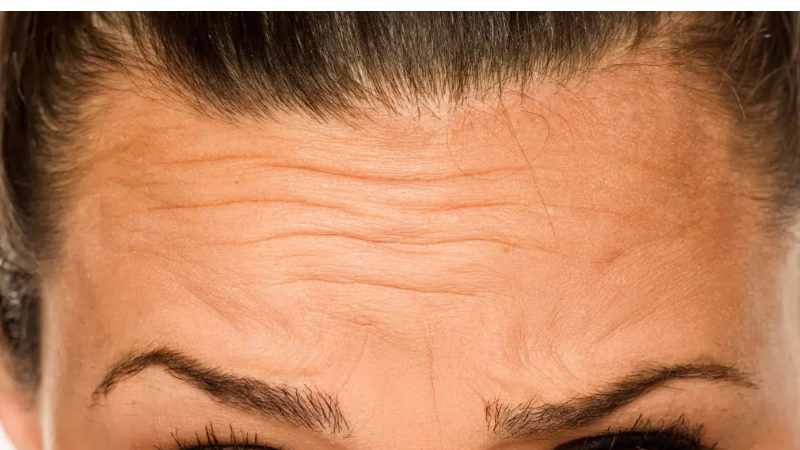
Horizontal forehead lines often appear when the brows lift. Treatment planning must consider brow position, eyelid heaviness and the risk of making the brow feel heavy.
Crow’s feet and laughter lines
Crow’s feet and smile-related eye lines are linked with smiling, laughing and squinting. The aim is usually to soften the outer-eye creases while keeping a natural smile.
Dynamic and static lines
Dynamic lines appear with movement. Static lines remain visible at rest. Static lines may need a broader skin-quality plan rather than movement treatment alone.
The balanced way to think about expression line treatment
Expression line treatment should not be about removing personality from the face. The safest approach is to assess movement first, preserve natural expression, avoid over-treatment and plan maintenance only where it remains suitable.
Who is expression lines treatment for?
Expression line treatment may suit people who are concerned by forehead lines, crow’s feet, laughter lines or dynamic wrinkles — especially where the aim is subtle softening rather than a frozen or over-treated look.
People with visible movement lines
If lines are most noticeable when you smile, laugh, frown, raise your brows or squint, they may be dynamic expression lines.
People wanting a softer, natural look
Many patients want to look fresher without looking different. Dose, placement and review timing are planned around facial balance and expression.
People with early static lines
If lines are starting to show when the face is relaxed, movement treatment may be only one part of the plan. Skin quality and collagen-supporting treatments may also be discussed.
When treatment may not be suitable
Treatment may not be suitable during pregnancy or breastfeeding, with certain neuromuscular conditions, medication interactions, infection at the treatment site or unrealistic expectations.
Forehead lines, crow’s feet and laughter lines — why movement matters
Expression lines are strongly influenced by how the face moves. Treating them well means assessing the movement pattern, not just pointing at a line in the mirror.
What we look for
A careful facial assessment helps identify whether the line is mainly caused by repeated movement, skin ageing, sun damage, volume change, skin thinning or a combination.
Dynamic lines
These appear mainly during movement, such as smiling, raising the eyebrows or squinting.
Static etched lines
These remain visible at rest and may need longer-term skin-quality support as well as movement control.
Upper-face balance
Forehead treatment must be planned carefully because the forehead helps support brow position.
Prescription safety
Prescription-only injectable treatments require assessment and prescribing oversight before treatment can be considered.
Why this matters
The same dose or pattern is not right for every face. A plan that suits strong forehead movement may not suit someone with low brows, eyelid heaviness or delicate crow’s feet. The consultation helps decide whether treatment is suitable and how conservative the starting point should be.
How expression lines treatment works
The best expression line plan is usually conservative and assessment-led. We first understand facial movement, then discuss treatment options, then review response and maintenance safely.
1. Consultation and history
We review your concerns, previous treatments, medical history, medications, pregnancy/breastfeeding status and expectations.
2. Facial movement assessment
We assess forehead movement, smiling, squinting, brow position, asymmetry and whether lines are dynamic or static.
3. Suitability and prescription review
If prescription-only injectable treatment is appropriate, it must be assessed and prescribed safely before treatment.
4. Treatment, review and maintenance
Treatment is reviewed over time and adjusted according to response, comfort, balance and your preference for movement.
Treatment methods we may discuss for expression lines
Expression lines are the concern. The treatment method depends on whether lines are dynamic, static, movement-led, skin-quality-led or linked to deeper ageing changes. Some people need a simple injectable plan. Others may need skin-quality support or a different page pathway.
Prescription-only anti-wrinkle options
Where suitable, prescription-only injectable treatment may be discussed to soften selected dynamic expression lines.
Skin quality support
Static lines may need skincare, resurfacing, microneedling, regenerative or collagen-supporting options where suitable.
Combination planning
Some patients benefit from combining movement treatment with skin-quality treatments over time rather than relying on one method.
Alternative pathways
Deeper folds, volume loss, under-eye ageing, neck lines or lower-face laxity may need a different treatment page pathway.
Why a conservative first treatment matters
It is usually safer to start cautiously, especially for forehead lines and crow’s feet. Response can then be reviewed rather than over-corrected at the first appointment.
Why we avoid one-size-fits-all packages
A strong forehead, low brow, delicate eye area or asymmetrical smile pattern may all require different planning.
When treatment may need extra caution
Expression line treatment may not be suitable if you are pregnant or breastfeeding, have certain neuromuscular conditions, have an active infection at the treatment site, have had a previous significant reaction, or have expectations that treatment cannot safely meet.
If you have heavy eyelids, low brows, facial asymmetry or previous treatment complications, your plan may need to be especially conservative.
Prescription-only injectable treatments should only be supplied following appropriate consultation and prescribing oversight. Product choice, dose and placement must be planned by trained clinicians.
This is why WHC keeps the process assessment-led rather than selling a fixed “area package” without context.
Expression line results need honest context
Expression line improvement depends on movement pattern, dose, placement, skin quality, treatment history, aftercare and individual response. The goal is usually softer-looking movement, not guaranteed line removal.
Book Free ConsultationBefore & after
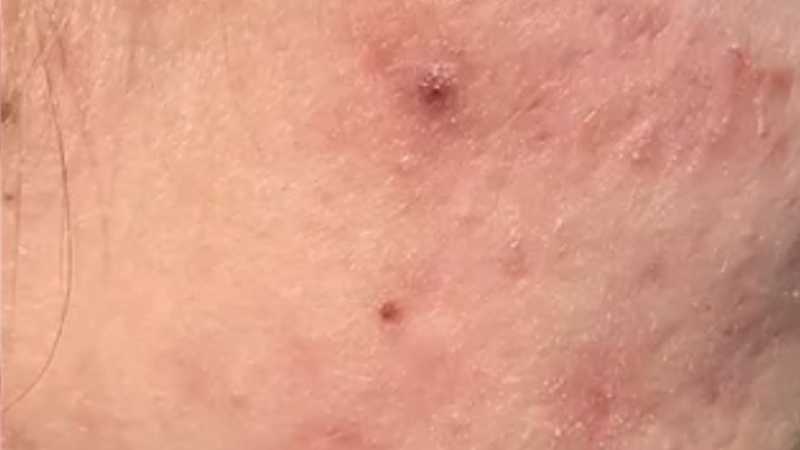
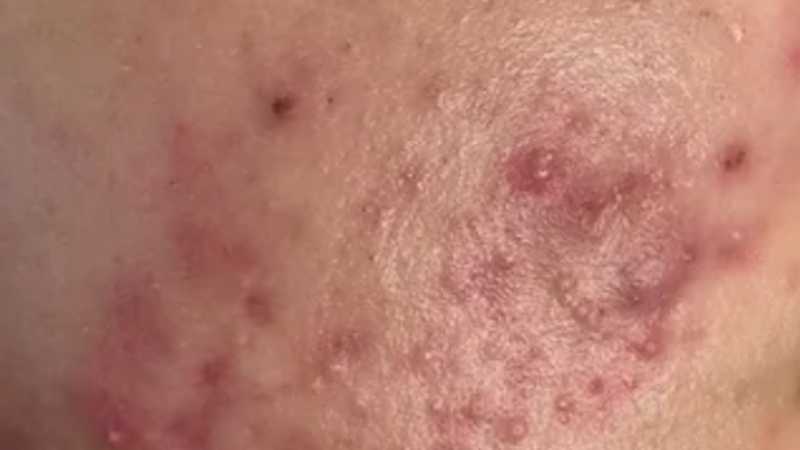
Images are shown for illustration and educational purposes only. Individual results vary, and no treatment outcome can be guaranteed. Suitability and expected results are discussed during consultation.
Why choose a structured expression lines plan?
Expression line treatment works best when movement, facial balance, brow support, skin quality, medical suitability and your preference for natural expression are all considered together.
Preserve expression
The aim is usually to soften lines while preserving natural movement and facial character.
Protect facial balance
The forehead, brows and eye area work together. Over-treatment can create heaviness or imbalance.
Plan for maintenance
Results are temporary. Maintenance should be guided by response, not pressure to re-treat too soon.
Softer-looking movement lines
Treatment may help soften selected expression lines caused by repeated facial movement.
Natural-looking refresh
The plan is designed around subtle softening, not obvious over-correction or loss of expression.
Confidence and reassurance
Many people want clearer guidance on what is safe, what is realistic and how to avoid an unnatural result.
Realistic timing
Response and maintenance timing vary. Review helps avoid retreating too early or overcorrecting.
Benefits patients may be looking for
Patients usually want more than fewer lines. They want to feel refreshed, retain expression, understand safety, avoid heaviness, and have a plan that feels controlled and medically sensible.
Results vary. Suitability is always confirmed after consultation and assessment.
Expression lines treatment prices UK
Featured consultation price and full pricing guidance
Expression line pricing depends on the treatment route recommended after assessment. Some patients need consultation and prescription-only injectable review. Others may need skin-quality treatments, combination planning or a different pathway for deeper folds or volume-related concerns. For the most complete and up-to-date information, please check our full pricing page.
Free initial enquiry
A short enquiry call to understand your concern and guide you towards the most appropriate appointment or pathway.
Initial enquiry call
Expression line consultation
A focused clinical review of forehead lines, crow’s feet, laughter lines, facial movement, prescription suitability and possible treatment routes.
Featured starting price
Treatment pricing
Anti-wrinkle treatment, skin-quality support and combination treatments are priced according to the plan recommended.
Full price list
Why prices vary
Expression lines are not treated with one fixed package. A patient with strong forehead movement may need a different plan from someone with delicate crow’s feet, static etched lines or low brow position.
What may affect the final cost?
Check the full pricing page
We are building a central pricing page so patients can check treatment costs in one place. This expression lines page gives the featured starting point, but the full pricing page should be treated as the main source for detailed and updated prices.
Prices may vary depending on assessment, treatment suitability, prescription requirements, treatment combinations and follow-up needs. Please check the full pricing page and confirm costs before proceeding.
Risks, limitations and when expression line treatment needs caution
Expression line treatments can be helpful, but they must be chosen safely. Prescription suitability, facial balance, brow position, medical history and realistic expectations all matter.
Prescription-only treatment safety
Some injectable treatments used for expression lines are prescription-only medicines and require proper consultation, prescribing oversight and trained administration.
Pregnancy, breastfeeding and medical history
Treatment may not be suitable in pregnancy, breastfeeding, certain neuromuscular conditions, some medication situations or where there is active infection.
Realistic limitations
Treatment may soften dynamic lines but cannot stop ageing, remove all static lines or guarantee a specific appearance.
Seek urgent advice if you feel unwell after injectable treatment elsewhere
If you have had recent botulinum toxin treatment elsewhere and develop symptoms such as difficulty swallowing, breathing problems, severe weakness, spreading weakness or other worrying symptoms, seek urgent medical advice.
Educational only. This page does not replace medical diagnosis, prescribing advice or urgent care. Suitability, risks, alternatives and expected outcomes must be discussed during consultation. Results vary. Not a cure.
Expression Lines Treatment FAQs
Clear answers to common questions about forehead lines, crow’s feet, laughter lines, dynamic wrinkles and natural-looking treatment planning.
Expression lines are lines that appear or deepen when the face moves, such as when you smile, laugh, squint, frown or raise your eyebrows. They include forehead lines, crow’s feet and other dynamic wrinkles.
They overlap, but they are not always the same. Expression lines are mainly movement-led. Fine lines and wrinkles may also be influenced by skin thinning, sun damage, collagen change, dehydration, smoking and skin quality.
Dynamic lines appear during facial movement. Static lines remain visible when the face is relaxed. Static lines may need longer-term skin-quality support as well as movement treatment.
Forehead treatment must be planned carefully because forehead movement helps support the brows. A conservative, assessment-led approach can reduce the risk of heaviness, but no outcome can be guaranteed.
The aim is usually to soften selected lines around the eyes while preserving a natural smile. Dose, placement and facial movement assessment are important.
Treatment may include prescription-only anti-wrinkle injectable assessment for selected dynamic lines, skin-quality support for static lines, skincare, resurfacing, microneedling or combination planning where suitable.
Yes. Botulinum toxin injections used for anti-wrinkle treatment are prescription-only medicines in the UK and require appropriate consultation and prescribing oversight before treatment can be considered.
The aim at WHC is usually subtle softening while preserving natural expression. Over-treatment is avoided, but response varies and this is discussed during consultation.
Duration varies depending on treatment type, dose, muscle strength, metabolism, previous treatment history and individual response. Your clinician will discuss expected timing and review points.
It may soften some lines over time where movement contributes, but etched static lines often need skin-quality support as well. Complete removal should not be expected.
Many injectable aesthetic treatments are not recommended during pregnancy or breastfeeding. Always disclose pregnancy, breastfeeding or fertility plans before starting treatment.
Extra caution may be needed with certain neuromuscular conditions, medication interactions, previous reactions, active infection, significant brow heaviness, facial asymmetry or unrealistic expectations.
The featured starting price for an expression line consultation is from £150. Further treatment costs depend on the areas assessed, prescription requirements, dose, treatment type, skin-quality support and follow-up needs. Please check the full pricing page for detailed and updated pricing.
Yes, treatment effects are temporary and facial movement gradually returns. Maintenance can be discussed, but it should be guided by your response, safety and preference.
Your next steps
1. Book your free consultation
2. Talk through your expression line concerns
3. Have a facial movement assessment if appropriate
4. Receive a personalised treatment plan
5. Review results and maintain safely
If expression lines are affecting your confidence or you are unsure which treatment is suitable, you do not need to guess. A structured consultation can help clarify the safest next step.
Clinical references used for this page
This page is educational and should be reviewed clinically before publication. The references below support general expression line education, dynamic wrinkle treatment planning, prescription-only treatment safety and patient-safe aesthetic procedure guidance.
NHS cosmetic procedure guidance
Supports the requirement for consultation and safe prescribing oversight for botulinum toxin injections.
UKHSA / MHRA safety advice
Supports safety-first messaging around licensed products, trained providers and warning symptoms after toxin-based procedures.
DermNet facial lines and wrinkles
Supports the distinction between dynamic facial lines and broader facial ageing or skin-quality changes.
American Academy of Dermatology
Supports general dermatology education on botulinum toxin therapy for selected facial lines.
References
- 1. NHS: Choosing who will do your cosmetic procedure and advice on botulinum toxin injections.
- 2. UKHSA/MHRA: Public safety advice on botulinum toxin procedures and licensed products.
- 3. DermNet: Facial lines and wrinkles; botulinum toxin and dynamic lines.
- 4. American Academy of Dermatology: Botulinum toxin therapy overview.
Watch patient stories, case studies and media features
Explore our video gallery to hear real patient experiences, learn more through case-based discussions, and watch selected media coverage featuring our work and approach.
Dr. Hany Mostafa
Specialist in obstetrics & gynaecology Dr. Hany Mostafa is a Consultant Obstetrician and Gynaecologist specializing in reproductive medicine…
Read MoreStill not sure where to start?
Browse the wider treatment pages or book a free consultation.
Browse our women’s health FAQs
Find clear answers to common questions about consultations, treatments, symptoms, preparation, aftercare, pricing and what to expect when visiting The Women’s Health Clinic. Use the FAQ bubbles below to continue exploring.
