

Private Nu-V CO₂ laser treatment
Laser treatment for vaginal atrophy
Private, assessment-led Nu-V fractional CO₂ laser treatment for selected women with vaginal atrophy or GSM. Understand suitability, alternatives, evidence limits, recovery and current prices before deciding.
- CQC registered Regulated and inspected
- 4.8 / 5 From 3,500+ reviews
- Assessment-led Suitability before treatment
What is laser treatment for vaginal atrophy?
Vaginal atrophy describes low-oestrogen changes that can make vaginal tissue thinner, drier, less elastic or more easily irritated. It is now usually discussed as part of genitourinary syndrome of menopause (GSM), which may also affect the vulva, bladder and urethra.
Nu-V is WHC’s fractional CO₂ laser treatment. It is a non-hormonal procedure that may be considered for selected women after a clinical assessment, but it is not a cure for GSM, a guaranteed treatment for dryness or a replacement for established medical care.
A fractional CO₂ procedure
Controlled laser energy is delivered in microscopic treatment zones with the intention of prompting a local healing and tissue-remodelling response.
Selected after assessment
Symptoms alone cannot show whether laser is appropriate. The likely cause, examination findings, medical history, previous care and your priorities all matter.
Non-hormonal, with limits
Nu-V does not contain oestrogen. That may be relevant to some women, but it does not make laser automatically safer, more effective or more suitable than other options.
GSM is broader than dryness alone
GSM can include vaginal, vulval and urinary changes. Dryness can also have other causes, so treatment should be based on an individual diagnosis rather than the symptom name alone.
Symptoms women may describe before seeking treatment
These symptoms can occur with GSM, but they can also be caused by infection, a vulval skin condition, pelvic-floor tension, medication, irritation or another gynaecological concern.
Dryness or reduced lubrication
Tissue may feel persistently dry, tight or easily irritated during everyday activity or intimacy.
Burning, soreness or itching
Sensitivity can affect the vagina or vulva and may be noticeable with washing, clothing, sitting or urination.
Painful or difficult intimacy
Reduced moisture, fragile tissue or narrowing can make penetration uncomfortable, but pain may have more than one cause.
Urinary changes
Urgency, frequency, discomfort passing urine or recurrent urinary infections may coexist with GSM and need appropriate review.
Fragility or spotting
Thin tissue may be more prone to trauma, but bleeding after sex, between periods or after menopause must be assessed rather than assumed to be atrophy.
Unusual discharge or odour
Changes in discharge can occur for several reasons. Infection and other causes should be excluded before any laser procedure.
What we establish before discussing Nu-V
A private consultation is designed to understand what has changed, check for conditions that need different care and compare laser with established options.
The most likely cause
We consider menopause-related GSM, breastfeeding or postpartum change, medication, cancer treatment, infection, irritants, vulval skin conditions, pelvic-floor tension and other possible explanations.
Explore vaginal dryness assessmentThe full GSM picture
Dryness may sit alongside vulval discomfort, urinary symptoms, recurrent infections or pain with sex. The assessment considers these together rather than treating one symptom in isolation.
Explore vaginal atrophy and GSM assessmentYour health and treatment history
Menstrual and menopause history, pregnancy or breastfeeding, medicines, diabetes, autoimmune disease, previous pelvic surgery or radiotherapy, cervical screening and previous treatments are reviewed.
Examination, tests and your goal
A sensitive examination may be advised to assess tissue and exclude another condition. Urine, swab, cervical or specialist investigations may be needed. We also agree what you hope to improve and whether that aim is realistic.
Please arrange assessment first
Bleeding, a new lesion or persistent discharge should not be treated as routine atrophy
Seek clinical review for postmenopausal bleeding, bleeding after sex, an unexplained sore or lump, significant pelvic pain, offensive discharge, fever, suspected infection or a sudden change in symptoms.
How Nu-V fractional CO₂ laser treatment is intended to work
For women researching laser treatment for vaginal atrophy, the procedure is intended to stimulate a controlled local tissue response. A plausible mechanism is not the same as a guaranteed clinical outcome, so benefits and limitations must be discussed together.
Fractional energy
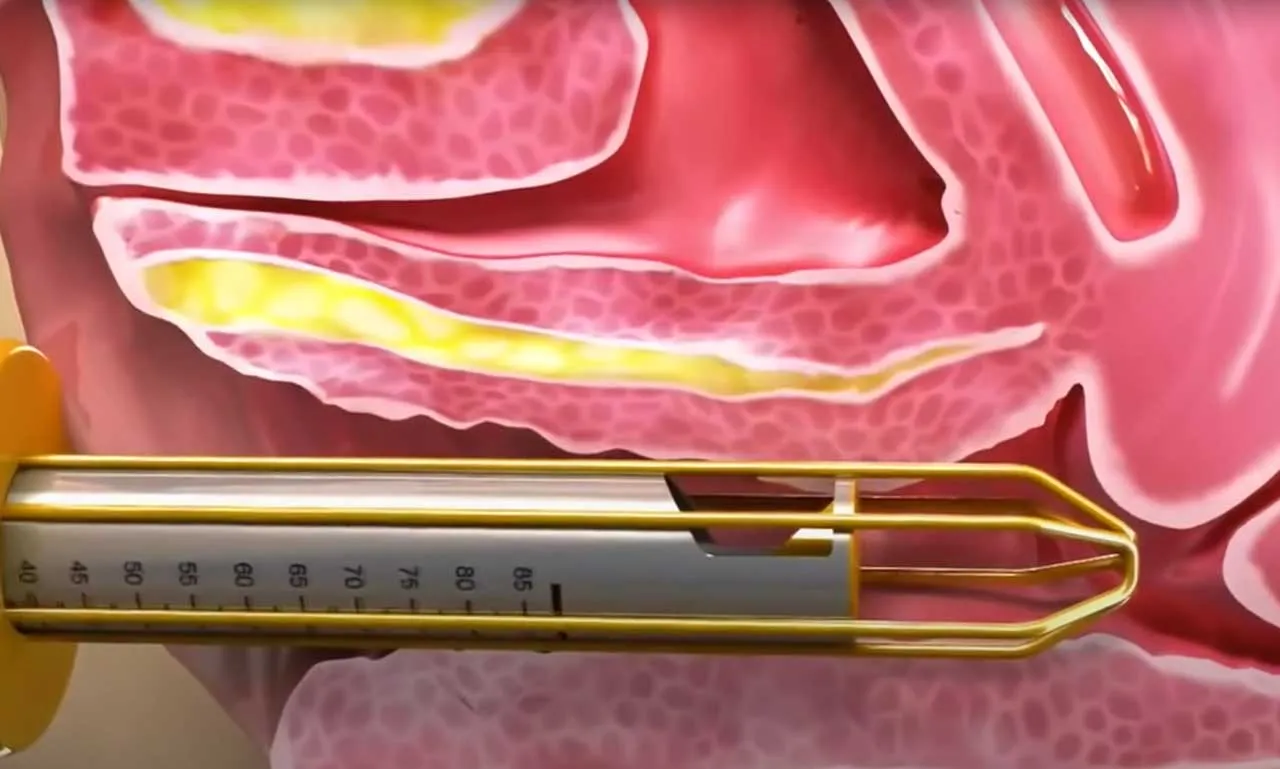
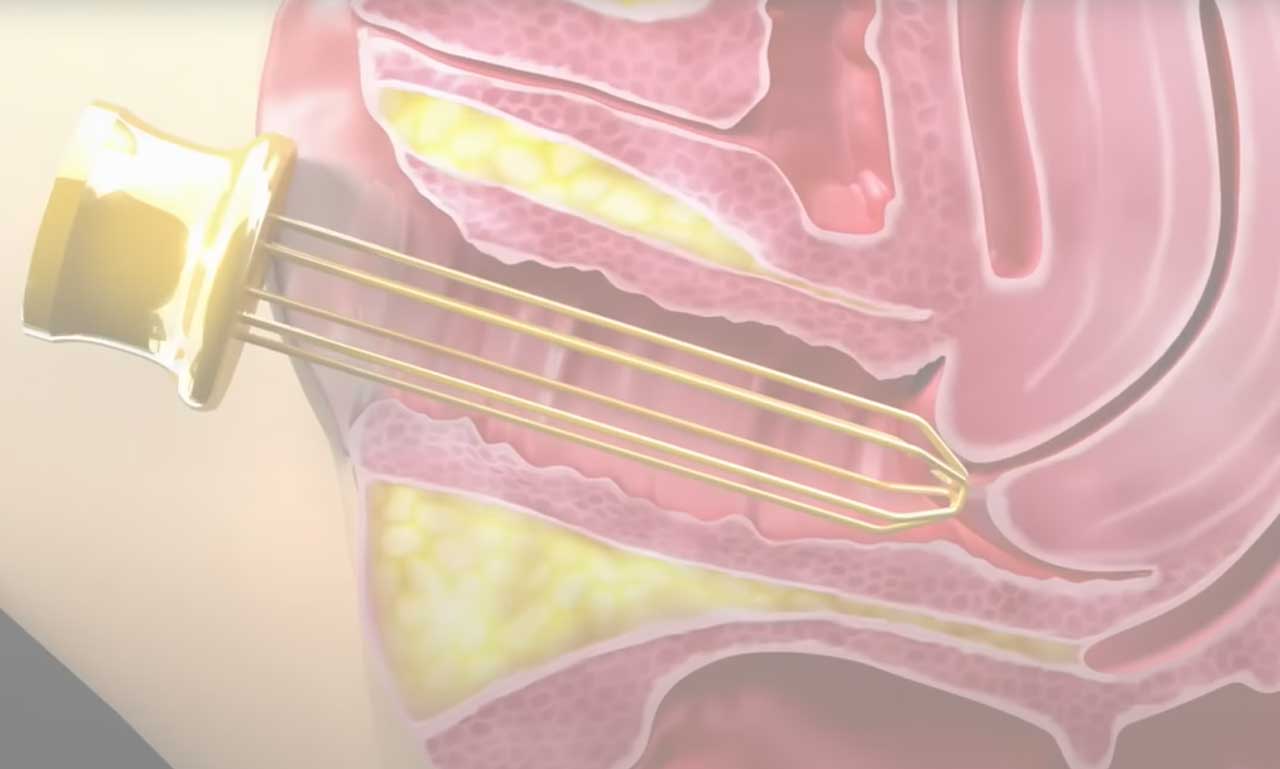
A sterile treatment probe delivers controlled CO₂ laser energy to selected vaginal tissue in a fractional pattern rather than treating the whole surface uniformly.
Healing and remodelling
The intended response includes tissue repair and collagen remodelling over the following weeks. The extent and clinical relevance of that response vary between women.
Review before repeating
WHC offers single-session and course-of-three pricing, but another session should follow assessment of healing, response, risks and the original treatment goal.
What Nu-V does not do
It does not replace missing hormones, treat infection, diagnose cancer, repair pelvic-floor muscles or guarantee lubrication, continence, libido, orgasm, sensation or pain relief.
Why evidence matters
Small uncontrolled studies have reported improvement, but sham-controlled trials and UK professional guidance remain cautious. Long-term effectiveness and safety are not established.
Suitability for vaginal atrophy laser treatment
Suitability for laser treatment for vaginal atrophy depends on more than age or menopause status. A clinician must weigh the diagnosis, severity, previous treatments, risks, alternatives and your preferences.
It may be discussed when
There is a clear diagnosis or treatment objective, examination is reassuring, symptoms remain troublesome and you understand that laser is an optional private procedure with uncertain benefit.
Treatment is postponed or avoided when
There is pregnancy, early postpartum healing, active infection, unexplained bleeding, an undiagnosed lesion, significant tissue injury or another condition that requires treatment first.
Further review may be needed
Previous pelvic radiotherapy or surgery, mesh, significant prolapse, poorly controlled diabetes, autoimmune disease, impaired healing, recurrent infection or an abnormal cervical-screening history may change the plan.
Medicines are reviewed—not stopped automatically
Tell us about anticoagulants, antiplatelet medicines, immune-suppressing treatment, hormonal therapy and cancer medicines. Do not stop prescribed medication unless the responsible prescriber or clinical team instructs you to do so.
After cancer treatment
Cancer treatment can contribute to severe vaginal and urinary symptoms, but “hormone-free” does not mean automatic clearance for laser. Your diagnosis, treatment history, tissue condition and oncology advice may need to be reviewed before any procedure is considered.
Laser is one possible route—not the starting point for every woman
The most appropriate treatment depends on the cause, symptoms, medical history and what you feel comfortable using. More than one approach may be discussed.
Lubricants and vaginal moisturisers
Lubricants reduce friction when needed; products designed as vaginal moisturisers are used regularly for baseline comfort. Product ingredients and condom compatibility matter.
Local vaginal oestrogen and other medicines
Local oestrogen is established treatment for many women with GSM. Other prescribed options may be considered. Personal risks, preferences and cancer-treatment history should be discussed with an appropriate clinician.
Practical and supportive care
Avoiding perfumed products and douches, choosing gentle vulval care, using appropriate lubricants, allowing time for arousal and addressing pelvic-floor tension may improve comfort.
Nu-V fractional CO₂ laser
A private non-hormonal procedure for selected women who understand the evidence uncertainty, possible risks, costs, recovery and need for assessment before each treatment plan.
A personal decision
Questions worth asking before choosing vaginal laser treatment
What is the most likely cause of my symptoms?
Which established treatments have I tried or considered?
What specific change is laser intended to achieve?
What evidence supports that aim?
What are the risks and recovery restrictions?
How will we decide whether another session is appropriate?
Nu-V patient stories, treatment videos and media coverage
Hear women describe their individual Nu-V experiences and view selected treatment and media videos. Personal accounts do not predict whether laser is suitable for you or what result you may experience.
What happens before, during and after Nu-V
You have time to ask questions and consider your options. A consultation does not commit you to treatment, and the procedure is confirmed only if it is clinically appropriate.
Step 1
Optional introductory call
A free 20-minute nurse or patient-adviser call is available to explain the service, answer practical questions and help you decide whether to book a clinical consultation.
Step 2
Required doctor consultation
A consultation with Dr Farzana Khan is required. Choose a 10-minute telephone consultation for £45 or a 20-minute face-to-face doctor consultation for £150. A face-to-face examination may still be required before treatment.
Step 3
History, examination and consent
Health questionnaires and relevant records are reviewed. Where appropriate, a sensitive examination confirms the treatment area and checks that laser can proceed safely.
Step 4
The Nu-V procedure
You are positioned as for a cervical-screening examination. A sterile probe is used to deliver controlled fractional CO₂ energy. The laser application is usually brief within a longer clinical appointment.
Step 5
Recovery and aftercare
Temporary warmth, soreness, spotting or discharge may occur. Written advice explains local care and how long to avoid intercourse, tampons, swimming and strenuous exercise.
Step 6
Review before further treatment
Any change is reviewed against the agreed goal. A course or later top-up is not automatic; the clinician considers response, healing, risks and other available treatments.
Risks, recovery and evidence limits
Nu-V is a medical procedure. The possibility of improvement must be considered alongside uncertainty, cost, temporary restrictions and the risk of harm or no meaningful benefit.
Common temporary effects
Warmth, stinging, soreness, redness, swelling, light spotting, watery discharge or a dull ache may occur. Recovery varies with tissue condition and treatment settings.
Important risks
Possible complications include infection, burns, ulceration, delayed healing, scarring, persistent pain, altered sensation, urinary symptoms, worsening irritation and incomplete or absent improvement.
Short recovery restrictions
Many women return to ordinary non-strenuous activity quickly, but vaginal intercourse, tampons, swimming, gym work and strenuous exercise may need to be avoided for several days.
Uncertain outcomes and duration
No degree of improvement or duration can be promised. Hormones, ageing, health, tissue quality, the treatment plan and individual healing can all affect response.
What current guidance means
Vaginal laser is not established routine treatment for GSM
NICE interventional-procedures guidance recommends transvaginal laser therapy for urogenital atrophy only in the context of research because evidence on long-term safety and efficacy is inadequate. Professional reviews also note that controlled trials have not consistently shown a meaningful advantage over sham treatment.
WHC therefore presents Nu-V as an optional private procedure for selected women after assessment—not as first-line treatment, a cure, or a replacement for lubricants, moisturisers, vaginal oestrogen or other appropriate medical care.
Nu-V vaginal laser before and after
Images may illustrate an individual tissue response, but they cannot show dryness, pain, urinary symptoms, sexual comfort or the result another woman will experience. Clinical review is more important than visual comparison.
Request a consultationIndividual examples
Images are shown for illustration and education. Individual results vary, and no treatment outcome can be guaranteed.
Private, women-centred care
A clear route from enquiry to an individual decision
You do not need to decide whether laser is right before contacting us. The purpose of consultation is to understand your concern and explain the most appropriate options without pressure.
Tell us what has changed
Discuss dryness, soreness, painful sex, urinary changes, medical treatment, previous care and what has prompted you to consider a private procedure.
Assess and compare
The clinician reviews the likely cause, examination findings, standard care, non-hormonal choices, laser evidence, risks, cost and recovery.
Choose without pressure
If Nu-V is suitable, the nurse-led or doctor-led route, treatment area, price, course and aftercare are agreed. You remain free not to proceed.
Laser vaginal atrophy treatment prices
Nurse-led and doctor-led treatment routes are available. The appropriate route and whether to consider one session or a course are decided after assessment.
Single session
Nu-V fractional CO₂ laser
Nurse-led
£599
Doctor-led
£799
Course of three
Nu-V treatment course
Nurse-led course
£1,200
Doctor-led course
£1,800
Reassessment required
Annual top-up
Nurse-led top-up
£400
Doctor-led top-up
£600
Consultation route
Optional: free 20-minute nurse or patient-adviser discussion.
Required consultation with Dr Farzana Khan: 10-minute telephone call, £45.
Face-to-face consultation with Dr Farzana Khan: 20 minutes, £150.
Your plan may be different
Pricing does not determine suitability. The clinician may recommend one session, a reviewed course, another treatment, further investigation or no laser. Confirm current fees and payment terms before booking.
Common questions
Laser vaginal atrophy treatment FAQs
Clear answers about GSM, Nu-V suitability, alternatives, evidence, treatment, recovery and fees.
1. What is vaginal atrophy?
Vaginal atrophy describes thinning, dryness, reduced elasticity and irritation associated with lower oestrogen levels. It is commonly included within GSM, which can also affect vulval and urinary tissues.
2. Is vaginal dryness always caused by menopause or GSM?
No. Dryness may relate to breastfeeding, postpartum change, medicines, cancer treatment, infection, irritants, a vulval skin condition, diabetes, Sjögren’s syndrome, arousal or pelvic-floor factors. Assessment helps identify the most likely cause.
3. What is Nu-V fractional CO₂ laser treatment?
Nu-V is WHC’s non-surgical fractional CO₂ laser procedure. Controlled energy is delivered to selected vaginal tissue with the intention of prompting a local healing and remodelling response.
4. Can vaginal laser cure atrophy or GSM?
No cure or guaranteed outcome should be promised. GSM is related to low-oestrogen changes and may need ongoing management. Laser is an optional procedure, not a permanent correction of the underlying hormonal cause.
5. Is vaginal laser a first-line treatment for GSM?
No. Lubricants, vaginal moisturisers, local vaginal oestrogen and other appropriate medical treatments are established options. NICE recommends transvaginal laser therapy for urogenital atrophy only in the context of research because long-term safety and efficacy evidence is inadequate.
6. Who may be considered for Nu-V?
A selected adult with a clear treatment objective, reassuring examination, no active contraindication and a full understanding of alternatives, evidence limits, risks and costs may consider treatment after consultation.
7. Can I have Nu-V before menopause?
Age alone does not decide suitability. Younger women may experience dryness after childbirth, during breastfeeding, because of medicines or for another reason. The cause should be established before a procedure is considered.
8. Is Nu-V suitable during pregnancy or soon after childbirth?
Treatment is not performed during pregnancy. Postpartum tissue and hormones need time to recover, particularly during breastfeeding. WHC assesses timing individually and would not normally treat during early postpartum healing.
9. Can I have laser after breast or pelvic cancer treatment?
Possibly, but not automatically. Cancer history, radiotherapy, surgery, current medicines, tissue condition and oncology advice may affect safety and suitability. Non-hormonal does not mean risk-free.
10. Do I need to stop HRT or vaginal oestrogen?
Do not stop prescribed hormonal treatment without clinical advice. Some women use local vaginal treatment alongside broader menopause care. The clinician will explain any procedure-specific preparation.
11. Which conditions may delay or prevent treatment?
Examples include active vaginal or pelvic infection, pregnancy, unexplained bleeding, an undiagnosed lesion, significant prolapse, recent surgery, poorly controlled diabetes, impaired healing or a medical history requiring specialist review.
12. Should I stop aspirin or blood-thinning medication?
Do not stop aspirin, an anticoagulant or another prescribed medicine yourself. Tell WHC what you take. Any change must be agreed by the clinician responsible for the medication or the treating clinical team.
13. Is a smear test or cervical screening required?
WHC reviews whether cervical screening is up to date and whether any previous result needs follow-up. Screening requirements depend on age, eligibility, history and the proposed treatment; screening does not replace examination of current symptoms.
14. Will I need an internal examination?
Usually, a face-to-face assessment is needed before internal laser treatment. The clinician explains the examination, obtains consent and works at your pace. Further tests or referral may be advised if findings are unclear.
15. Is treatment nurse-led or doctor-led?
Both routes are available at different fees. The treatment area, medical history, complexity and clinical plan help determine the appropriate practitioner route.
16. Is Nu-V painful, and is anaesthetic used?
Comfort varies. Some women describe warmth, pressure or stinging. Internal treatment may not require anaesthetic, but comfort measures depend on the area, tissue sensitivity and plan. Painless treatment cannot be promised.
17. How long does the appointment take?
Allow around 30 minutes for treatment, although the laser application itself may be shorter. Preparation, examination, consent and aftercare explanation make the full appointment longer than the device time alone.
18. How many Nu-V sessions will I need?
WHC offers single-session and course-of-three fees. A course may be discussed, but it is not mandatory for every woman. The plan should reflect assessment, response, risks and your goals.
19. When might I notice a change, and how long might it last?
Any tissue response would be expected to develop over the following weeks, but timing, degree of change and durability vary. There is no reliable fixed duration that can be promised for an individual woman.
20. What are the main risks of vaginal laser?
Possible risks include pain, irritation, swelling, bleeding, discharge, infection, burns, ulceration, delayed healing, scarring, altered sensation, urinary symptoms, worsening discomfort and incomplete or absent improvement.
21. When can I have sex, exercise or swim after treatment?
You will usually be advised to avoid intercourse and strenuous exercise for several days. Follow the written instructions for your treatment, wait longer if the area remains sore, and contact the clinic if there is persistent pain, bleeding, offensive discharge or another concern.
22. Can I have treatment during my period?
It is usually more practical to avoid internal laser treatment during active menstrual bleeding. Contact the clinic if your period is likely to coincide with the appointment so the team can advise.
23. Can laser help urinary symptoms, sexual comfort or sensitivity?
Some women seek treatment because GSM affects urinary or sexual comfort. Those concerns need their own assessment. Nu-V cannot be promised to improve continence, libido, orgasm, sensation or sexual satisfaction.
24. What alternatives may be discussed?
Options may include lubricants, vaginal moisturisers, local vaginal oestrogen, broader menopause care, other prescribed GSM treatments, gentle vulval care, pelvic-floor physiotherapy, treatment of infection or skin disease, and specialist referral where needed.
25. How much does Nu-V cost?
Current fees are £599 nurse-led or £799 doctor-led for one session; £1,200 nurse-led or £1,800 doctor-led for a course of three; and £400 nurse-led or £600 doctor-led for an annual top-up after reassessment.
26. Is a consultation required before treatment?
Yes. An optional free introductory call is available. The required consultation with Dr Farzana Khan is £45 by telephone or £150 face to face. A clinical examination or further investigation may be needed before treatment is confirmed.
27. Where is Nu-V treatment available?
Nu-V is offered through WHC clinics, subject to practitioner, equipment and appointment availability. The team will confirm the nearest appropriate clinic after your enquiry.
28. What can I try at home before considering laser?
Water-based lubricant can reduce friction during intimacy, while a product designed as a vaginal moisturiser may improve baseline comfort. Use gentle, unperfumed external care, avoid douches and perfumed products, and allow enough time for arousal. Seek assessment if symptoms persist or bleeding, discharge or pain occurs.
29. Can diet, supplements or natural remedies reverse vaginal atrophy?
No particular food, oil, herb or supplement has been shown reliably to reverse GSM. General health, hydration and not smoking are worthwhile, but avoid placing oils or products not designed for vaginal use inside the vagina. Ask a clinician before using supplements, especially after hormone-sensitive cancer or alongside prescribed medicines.
30. Can GSM be linked with recurrent urinary infections?
Yes. Low-oestrogen changes can affect vaginal and urinary tissues and may be associated with recurrent urinary infections, urgency, frequency or discomfort. Urinary symptoms still need appropriate assessment because infection, bladder conditions and pelvic-floor problems can coexist.
Consultation does not guarantee treatment. It gives you the opportunity to understand the likely cause, compare appropriate options and decide without pressure.
Read expert women’s health articles
Browse further guidance about vaginal health, menopause, symptoms and treatment choices.
Mint Health
Comprehensive Healthcare & Wellness Services MINT HEALTH is Bristol's premier comprehensive healthcare and diagnostic centre, transforming the patient…
Read MoreStill not sure where to start?
Browse the wider treatment pages or book a free consultation.
