

Clinical Review & Disclaimer
- Verified Content: Approved by the Women’s Health Clinic Clinical Team.
- Educational Use: This is not a substitute for professional medical advice, diagnosis, or treatment.
- Clinical Assessment: Individual suitability is determined by a clinician; results may vary.
- MEDICAL EMERGENCY: If you are experiencing a medical emergency, call 911 immediately.
About the Author

Wart and Skin Tag Removal UK – Safe, Discreet In-Clinic Treatment
Assessment first. Then the most suitable removal option (if appropriate).
If you’ve noticed a new bump, tag, or raised growth—especially around intimate or friction-prone areas—you’re not alone. The first step is a discreet clinical assessment to confirm what it’s most likely to be (for example, a skin tag vs a wart) and to plan the safest, most conservative removal option for your skin, location, and comfort.
Discreet care
Private, respectful appointments.
Clinician-led
Assessment before removal.
Tailored approach
Option depends on type & area.
Quick answer
Most skin tags can be removed quickly. Warts sometimes need more than one session. A brief in-clinic assessment helps confirm what it is and the safest option for your skin and the area.
Treatment summary
Best for
Skin tags and suspected warts needing assessment
Appointment time
Typically 15–30 minutes (varies by number/area)
Anaesthetic
Local anaesthetic if needed
Downtime
Usually minimal; follow aftercare guidance
Discreet, clinic-based care
Assessment first, then tailored removal if appropriate

Not sure what it is? Start with a proper assessment.
Many bumps can look similar. A brief clinical review helps confirm whether it’s more likely a wart, a skin tag, or another benign change—so you can choose the safest next step.
What are warts and skin tags?
Both are common, usually benign growths. But they’re caused by different things, can look similar, and the safest treatment depends on the likely diagnosis—especially in intimate or sensitive areas.
The “what is this?” moment
IdentificationSkin tags are usually soft, flesh-coloured, and hang off the skin. Warts can be flatter, rougher, or clustered—and may spread.
- New or changing bump
- Irritation with shaving or friction
- Unsure if it’s a tag, wart, or something else
Why a clinic assessment helps
Safety-firstSelf-treatment can irritate delicate skin and may not be suitable for all lesions. We focus on confirming the likely diagnosis, then choosing the safest option.
- Confirm what it’s most likely to be
- Discuss suitable removal options
- Aftercare guidance to reduce irritation
What to expect
AftercareMost people have minimal downtime. You may see mild redness, crusting, or tenderness while the skin heals, especially in high-friction areas.
Educational only. Results vary. Suitability and expected healing depend on the lesion and the area.
Deep dive: key differences (warts vs skin tags)
Skin tags are small, soft growths often linked to friction and skin folds. Warts are caused by certain types of HPV and can spread to nearby skin. Because they can look similar—especially in intimate areas—an assessment helps confirm the most likely diagnosis and the safest treatment choice.
Your treatment options (overview)
The best option depends on the likely diagnosis, location, number of lesions, and skin sensitivity. We’ll explain pros/cons during assessment.
| Method | Best for | What to know | Typical downtime |
|---|---|---|---|
| Laser removal | Multiple lesions / precise targeting in suitable cases | Clinic-based; suitability depends on lesion type & area | Often minimal; area-dependent |
| Topical treatments | Some wart-like lesions where home treatment is appropriate | Often takes weeks; not suitable for all areas/lesions | Varies; irritation can occur |
| Cryotherapy | Selected lesions where freezing is appropriate | May need multiple sessions; sensitivity depends on area | Often short; area-dependent |
Educational only. We’ll confirm what the lesion is most consistent with before recommending any option.
We start with assessment—then treat if suitable
The safest approach is to confirm what the lesion is most likely to be, discuss options, and plan removal that minimises irritation in delicate areas.
Why do they happen?
Warts and skin tags can look similar, but they usually have different underlying causes—this is why assessment matters.
Wart-like lesions (HPV-related)
- Linked to common HPV types that can affect genital skin through close skin-to-skin contact.
- Appearance can vary (flat, raised, clustered), and some lesions may spread to nearby skin.
- Recurrence can happen—this reflects how HPV behaves in skin tissue, not “failure”.
Note: Wart-causing HPV types are generally different from the “high-risk” HPV types monitored in cervical screening.
Skin tags (friction-related)
- Often develop where skin rubs (folds, groin, inner thighs, underwear lines).
- May be influenced by hormonal shifts (e.g., pregnancy/menopause) and genetics.
- Not infectious and not linked to sexual transmission.
Educational only. Individual factors vary and a clinician can confirm what a lesion is most consistent with.
Who is this for?
This service is for people who want a discreet, clinician-led assessment and a safe plan for removing a suspected wart or skin tag—especially in sensitive or friction-prone areas.
You’re not sure what it is
A new bump, tag, or raised growth that you’d like checked before you do anything else.
It’s catching or irritating
Lesions that rub on clothing, snag, bleed easily, or feel sore—especially in folds or intimate areas.
Intimate-area concerns
You want discreet care for bumps around the vulva, groin, inner thighs, or perianal area.
Recurring or spreading lesions
Warts can recur or spread. A plan may involve multiple sessions and careful aftercare.
Pregnancy or post-partum questions
If you’re pregnant or recently post-partum, we’ll advise on timing and suitability carefully.
You want a safety-first approach
Especially if you’ve had irritation from OTC products, sensitive skin, or are worried about scarring.
Prefer to keep it private?
We understand how sensitive this can feel. Appointments are discreet, respectful, and focused on helping you understand what it is and what your safest options are.
Book confidentiallyWhat you might notice
Many lesions are painless. The key is understanding what’s “typical” and when it’s safer to get prompt clinical review.
Common, non-urgent reasons to book
Wart-like lesions
- New bumps that look rough, flat, or clustered
- Itching or irritation in the area
- Concern about spread to nearby skin
Skin tags
- Soft “hanging” growths in folds
- Catching on underwear or razors
- Bleeding after friction/shaving
Seek prompt assessment if:
- It’s rapidly changing in size, shape, or colour
- It ulcerates, crusts heavily, or bleeds easily without obvious friction
- There are signs of infection (increasing heat, swelling, pus, or feeling unwell)
- You’re unsure what it is, especially in intimate areas
If something feels unusual or worrying, it’s better to get it checked than to try home treatment.
Why choose in-clinic removal?
In sensitive areas, “DIY” removal can irritate delicate skin and may miss the bigger question: what is it actually? We focus on diagnosis, suitability, comfort, and conservative aftercare.
Why diagnosis matters (warts vs skin tags)
Skin tags and warts can look similar, but they behave differently. Warts are caused by certain HPV types and can spread to nearby skin. Skin tags are usually linked to friction and are not contagious.
An assessment helps confirm the most likely diagnosis and avoids unnecessary irritation from treatments that aren’t suited to the area or lesion type.
In-clinic options and why you might need more than one session
If suitable, removal options may include hyfrecation (cautery), cryotherapy, or minor excision. The best choice depends on the lesion, location, skin sensitivity, and number of lesions.
Warts can sometimes require more than one session because they can recur or spread. We’ll discuss what to expect and how to reduce irritation during healing.
Myths vs facts (common misconceptions)
Myth: “If it doesn’t hurt, it can’t be a wart.”
Fact: Many warts and skin tags are painless; appearance and pattern matter more.
Myth: “Over-the-counter products are always safer.”
Fact: Some products are not suitable for intimate areas and may cause burns or prolonged irritation.
Myth: “Removal guarantees it will never come back.”
Fact: Warts can recur; we’ll discuss realistic expectations.
Myth: “Genital warts mean I have the same HPV that causes cervical cancer.”
Genital warts are usually linked to HPV types that cause visible growths. These are generally different from the “high-risk” HPV types monitored in cervical screening. Regardless, keeping up with cervical screening is still important.
Myth: “If the wart is removed, HPV is definitely gone.”
Removal treats visible lesions. HPV-related lesions can recur because the virus can persist in surrounding skin tissue. We’ll discuss realistic expectations and follow-up options.
Myth: “Only people with lots of partners get HPV.”
HPV is very common. You can be exposed through one partner, and it can be dormant for a long time. Having a wart-like lesion is not a reflection of character or “cleanliness”.
Myth: “OTC or natural wart removers are safe for genital skin.”
Many over-the-counter wart products are not designed for genital or high-friction skin and can cause burns or prolonged irritation. If you’re unsure what a lesion is, assessment is safer than home treatment.
Privacy, partners, and HPV questions
If warts are suspected, it’s normal to have questions about transmission and partners. We can discuss practical guidance and when sexual health support may be helpful.
We keep discussions discreet and focused on what’s relevant for you.
Safety-first
Assessment, suitability, and aftercare guidance.
Laser removal (when appropriate)
For some lesions, laser can be a precise option—especially when there are multiple lesions or the location is delicate. Suitability depends on what the lesion is most consistent with, the area involved, and your skin’s sensitivity.
Commonly used lasers
CO₂ or Erbium:YAG may be used where suitable. Your clinician will advise the most conservative approach for your lesion type and location.
Important expectations
Procedures remove visible lesions. Recurrence can occur (particularly when lesions are wart-like). We’ll discuss realistic expectations at assessment.
Educational only. Results vary. A consultation is required to confirm diagnosis and suitability.
Clinician-led assessment
We focus on confirming what it’s most likely to be, especially in delicate areas where appearance can be misleading.
Appropriate options for the area
Treatment choice depends on the lesion and location. We avoid harsh approaches where irritation risk is higher.
Aftercare to reduce irritation
Clear guidance on hygiene, friction reduction, and when to avoid shaving/sex while the skin heals.
Discreet and respectful
Appointments are private, judgement-free, and focused on practical next steps.
A calm, clear plan—without guesswork
We’ll talk you through what it’s likely to be, what options are appropriate for the area, and what healing usually looks like—so you can make a confident decision.
Talk it through privatelyTransparent pricing
Prices vary based on lesion type, location, and number treated. Where appropriate, we can often treat on the same day after assessment.
Assessment + same-day removal (if suitable)
A discreet assessment, then the most appropriate removal option for the lesion and area.
- Clinical assessment and suitability check
- Discreet, sensitive-area approach
- Aftercare guidance + review advice
Price menu
If warts require staged treatment, we’ll discuss the likely number of sessions and total cost range after assessment.
Multi-lesion removal plan
Best for multiple lesions, clustered warts, or cases where staged sessions are likely. Includes a clear plan and aftercare guidance.
From £600
bundle pricing
Not sure if it’s a wart or a skin tag?
That’s exactly what the assessment is for. We’ll help you understand what it’s most likely to be and what options make sense.
If a lesion looks unusual, changes rapidly, bleeds easily, or you’re unsure, it’s safer to have it assessed rather than self-treat.
Book an assessmentConcerns and safety
We’ll always check suitability first. If something doesn’t look like a typical benign wart/skin tag, we may advise a different pathway or referral.
Absolute contraindications
We would not proceed on the day if any of the following apply:
- Active infection at the treatment site: For example, significant inflammation, open sores, or untreated infection.
- Uncertain or suspicious lesion: If appearance is atypical, rapidly changing, ulcerated, or concerning.
- High bleeding risk: Uncontrolled anticoagulation, clotting disorder, or significant bleeding tendency.
- History of problematic scarring: Known keloid tendency in the treatment area.
Relative considerations
These don’t always exclude treatment, but may affect timing, approach, or aftercare:
Pregnancy
We may advise delaying non-urgent removal or adjusting approach based on the area and comfort.
Immunosuppression
Healing and recurrence patterns can differ; we’ll advise on suitability and follow-up.
Pigment change risk
Some skin types/areas are more prone to post-treatment darkening or lightening.
Herpes history / sensitive skin
We’ll discuss flare prevention, comfort measures, and conservative aftercare.
If you’re unsure
If a lesion changes rapidly, bleeds easily, ulcerates, or you’re worried, please book an assessment rather than attempting home removal.
Need a private suitability check?
We can review your concerns, explain options, and advise on the safest next step for your skin and the area.
Ask a clinician Aftercare matters
The best results come from conservative treatment choice, gentle healing, and reducing friction while the skin recovers.
We’ll tell you what to expect, how to keep the area comfortable, and when to seek review if anything feels unusual during healing.
Reducing irritation and recurrence risk
Practical steps that can help while you’re waiting for assessment, and during healing if you proceed with treatment.
If lesions are wart-like
- Avoid harsh products on genital skin (including OTC wart acids) unless specifically advised for that area.
- If sexually active, you can discuss practical risk-reduction advice during assessment (what to do during active lesions, partner questions, screening).
- General wellbeing supports immune function (sleep, stress reduction, smoking cessation support if relevant).
If lesions are skin-tag-like
- Reduce friction: breathable underwear, avoid very tight seams, and keep the area dry after exercise.
- If shaving triggers irritation, pause hair removal until you’ve had assessment and clear guidance.
- Don’t cut, tie off, or self-remove in intimate areas—bleeding and infection risk is higher.
Educational only. We’ll tailor advice to the likely diagnosis, the exact location, and your medical history during assessment.
Your questions answered
Practical answers about assessment, treatment, healing, and what to expect.
What’s the difference between a wart and a skin tag?
Is it safe to remove warts or skin tags at home?
Will it hurt?
How many sessions will I need?
Will it leave a scar?
Can warts come back?
Is it contagious?
Can you treat genital warts?
What about skin tags in the bikini line or vulval area?
Do I need a GP referral?
Can I shave or wax after treatment?
When can I have sex again?
What if the bump is something else?
Is this confidential?
Still unsure?
Book a discreet assessment and we’ll help you understand what it’s likely to be and the safest options for removal.
Book an assessmentMore about warts and skin tags
Genital warts: what “HPV-related” means
Genital warts are caused by certain types of HPV. Many HPV infections clear over time, but visible warts can appear weeks to months after exposure. Removal treats the visible lesions but does not guarantee warts won’t recur.
If warts are suspected, people often have questions about partners and transmission. We can discuss practical guidance and when sexual health support may be helpful.
When we recommend assessment before treatment
Because many lesions can look similar, assessment is especially important if a bump changes quickly, bleeds easily, ulcerates, looks irregular, or you are uncertain what it is. In those cases, it can be safer to avoid self-treatment and seek clinical review.
If a lesion appears atypical, we may advise a different pathway rather than proceeding with removal.
Healing and aftercare (why friction matters)
Intimate and high-friction areas can heal well, but they’re more prone to irritation. After treatment, keeping the area clean and dry, reducing rubbing, and avoiding shaving/waxing for the recommended period can help the skin settle.
We’ll advise on what is normal during healing (for example, mild redness or crusting) and when to seek review.
Clinical References & Citations
- 1. NHS. Genital warts. https://www.nhs.uk/conditions/genital-warts/
- 2. NHS. Skin tags. https://www.nhs.uk/conditions/skin-tags/
- 3. BASHH/BSSVD. UK national guideline for the management of anogenital warts. https://www.bssvd.org/wp-content/uploads/2020/05/Warts-2018.pdf
- 4. Human papillomavirus infection and genital warts: a review. https://www.ncbi.nlm.nih.gov/pmc/articles/PMC2804398/
About Our Clinical Team
Dr Farzana Khan
BSc (Hons), MD, DFFP, RCGP
Qualifications
- MD, University of Copenhagen (2003)
- MRCGP, CCT (2013)
- Diploma of the Faculty of Sexual & Reproductive Health (2013)
Clinical focus
Sexual function and comfort
Lichen sclerosus
Vulval skin
Volume concerns
How she works
- Listens first. Conservative and medical options discussed before procedures
- Clear, balanced counselling on benefits, limits, risks, and alternatives
- Shared decisions, realistic expectations, written aftercare
Training & teaching
- KOL/Trainer: Neauvia, Asclepion Laser, RegenLab (since 2023)
- Ongoing CPD: IMCAS, CCR, ACE, and intimate HA/PRP/Polynucleotide training
Authored and medically reviewed by Dr Farzana Khan. Last updated: [November 2025]
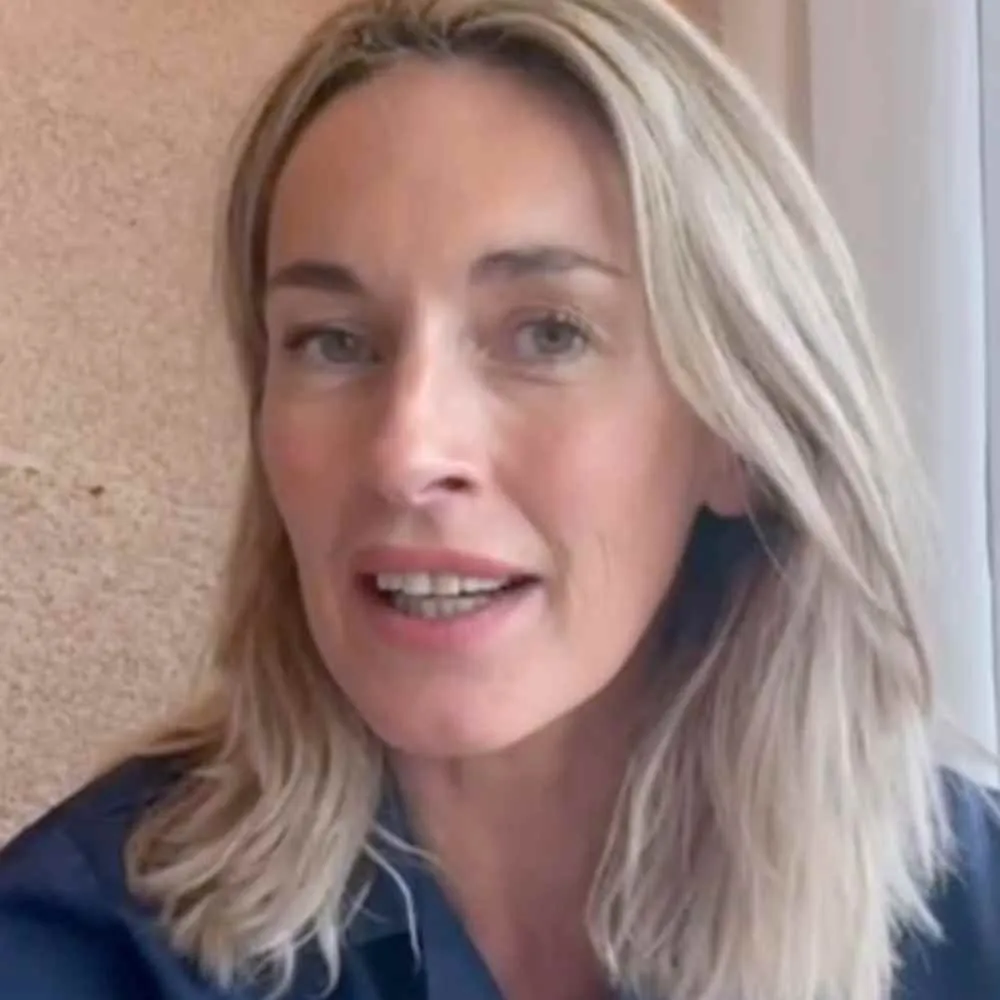
Katy Pitt Allen
Clinical Director
Katy brings exceptional clinical expertise and international experience to her role as Clinical Director, with specialized knowledge in oncology, gynaecology, and palliative care developed through over a decade of nursing excellence. Her proven leadership skills, demonstrated through her progression from staff nurse to junior ward sister and her current international oncology practice, ensure our clinic maintains the highest clinical standards while delivering compassionate, evidence-based care to all patients.

Dr Kamaljit Singh
Clinical Oversight
Dr. Kamaljit Singh provides medical oversight for our clinical team, bringing over 25 years of comprehensive healthcare experience to ensure the highest standards of patient care. A graduate of Leeds Medical School with distinction, Dr. Singh holds his MRCGP qualification and served as a senior partner at Leicester Medical Group for 16 years. His expertise spans both traditional medicine and aesthetic procedures, with specialized training in cosmetic treatments and 18 years of membership with the British Association of Aesthetic Plastic Surgeons. Dr. Singh's background includes roles as an FY2 trainer and GP assessor, demonstrating his commitment to medical education and professional standards that ensure our clinical team operates with rigorous oversight and excellence.

Jill Crowe
Director of Relationships
Jill brings over two decades of nursing excellence and exceptional relationship-building skills to her role as Relationship Manager at our women's health clinic. With her proven expertise in communication, team leadership, and inter-agency collaboration, she seamlessly coordinates between practitioners, patients, and partners to ensure the highest quality of care and service delivery.
Warts and Skin Tags : Causes, Symptoms & Treatment Options
Leeds – Harrogate
Exeter – Denmark Road
Bristol – City
Manchester – King Street
Surrey – West Byfleet
London – Harley Street
Birmingham – Edgbaston
London – Canary Wharf
Experiences Shared by Women Like You
- Educational and informational only. Individual experiences vary.
- Patient feedback reflects personal experiences, not clinical outcomes.
- Reviews relate to overall care and service experience.




How we work?
1
Free Telephone Consultation —Warts and Skin Tags : Causes, Symptoms & Treatment Options
2
Preparation & Clinical Guidance —Warts and Skin Tags : Causes, Symptoms & Treatment Options
3
Face-to-Face Consultation —Warts and Skin Tags : Causes, Symptoms & Treatment Options
4
Evidence-Based Treatment —Warts and Skin Tags : Causes, Symptoms & Treatment Options
5
Immediate Aftercare & Comfort —Warts and Skin Tags : Causes, Symptoms & Treatment Options
6
Review & Expectation Management —Warts and Skin Tags : Causes, Symptoms & Treatment Options
7
Long-Term Care & Follow-Up —Warts and Skin Tags : Causes, Symptoms & Treatment Options
Get in Touch and Take the First Step Today
Book your free consultation and discover how O-Shot®, G-Shot®, Exosomes, vaginal HA Fillers & Skin Boosters, can help you with your confidence. Individual experiences vary. (we offer a generic PRP approach (no brand affiliation).
We’ll listen, assess, and explain options—conservative, medical, and (if suitable) procedural.
Ask a question first
Send us a note if you’re not ready to book.