

Clinical Review & Disclaimer
- Verified Content: Approved by the Women’s Health Clinic Clinical Team.
- Educational Use: This is not a substitute for professional medical advice, diagnosis, or treatment.
- Clinical Assessment: Individual suitability is determined by a clinician; results may vary.
- MEDICAL EMERGENCY: If you are experiencing a medical emergency, call 911 immediately.
About the Author

Vaginal Dryness Treatment
Non-Hormonal Regenerative Solutions in the UK
If vaginal dryness (a key symptom of GSM) is affecting comfort or intimacy, our Doctor-led team can assess the cause and offer personalised, hormone-free regenerative treatment options — including radiofrequency, CO2 laser, PRP and hydration support. Educational only. Results vary
Vaginal dryness can feel like stinging, burning, friction or soreness — and it’s more common than most women realise. It’s often linked to perimenopause or menopause, but it can also happen after breastfeeding, cancer treatment, with certain medications, or alongside vulval skin conditions. At The Women’s Health Clinic, we focus on identifying what’s driving your symptoms and selecting from hormone-free, regenerative treatments designed to support tissue comfort, hydration and health.
Important: This page is for education and does not replace medical advice. We’ll confirm suitability at consultation.
Why Women Choose Our Clinic
Your Options at a Glance
A quick overview before you dive deeper
Energy-based
CO2 Laser and Radio Frequency (RF)
Bio-regenerative
Polynucleotides, PRP, exosome therapy*
Hydration & support
Hyaluronic acid injections, labial/labia majora support
Typical appointment
Usually 20–40 minutes (varies by method)
Hormone-Free
Clinician-led care in CQC-regulated UK clinics

Personalised Assessment with
Our GP-Led Team
Every journey begins with understanding. Our comprehensive medical assessment ensures your treatment plan matches your symptoms, tissue findings, and preferences — including non-hormonal options where appropriate.
What is vaginal dryness and GSM?
Vaginal dryness is often part of Genitourinary Syndrome of Menopause (GSM) — a group of symptoms linked to changes in vaginal and vulval tissue health. Understanding the cause matters, because the most effective plan depends on whether the issue is mainly surface dryness, deeper tissue change, sensitivity, or external volume and support.
Symptoms you may notice
Common signsDryness can present as stinging, burning, irritation or a ‘raw’ feeling — sometimes with pain or friction during intimacy, exercise, or daily life.
- Stinging, burning or soreness
- Friction or pain with intimacy
- Recurrent irritation or discomfort
What’s happening biologically
MechanismIn many women, tissue changes occur over time — affecting lubrication, elasticity and resilience. These changes may involve hormones, ageing, inflammation, and reduced blood flow.
- Reduced mucosal moisture and hydration
- Collagen/elastin breakdown and reduced elasticity
- Reduced blood flow and slower repair
Why assessment matters
TreatableSimilar symptoms can have different causes. A medical assessment helps clarify whether you’re experiencing GSM/atrophy, irritant dermatitis, vulval skin conditions, infection, or a combination — so we can match you to the safest option.
If you have new bleeding, unusual discharge, a new lump/lesion, or severe pain, seek urgent clinical review.
Deep Dive: Causes & contributors
Vaginal dryness can be multifactorial. Contributors can include low-oestrogen states (perimenopause/menopause, breastfeeding), cancer treatments or anti-oestrogen medication, chronic inflammation, irritants, and changes in tissue hydration, collagen/elastin, blood flow and external volume.
Your plan may involve one or more approaches depending on what’s driving symptoms.
Educational information only. Not a diagnosis or a guarantee. Results vary. Suitability depends on your history, examination and (when needed) tests.
Book ConsultationWho can benefit from non-hormonal dryness treatments?
Our hormone-free options may be suitable for women whose symptoms relate to GSM/menopause changes, postpartum or breastfeeding changes, cancer treatment, medication effects, or vulval skin conditions — as well as women who simply prefer a non-hormonal approach. Suitability is confirmed after assessment.
Perimenopause & menopause (GSM)
Dryness linked to hormonal change, tissue thinning, sensitivity or recurrent irritation.
Postpartum or breastfeeding
Low-oestrogen states can temporarily reduce lubrication and comfort.
After cancer treatment
For women experiencing dryness after chemotherapy, radiotherapy, or anti-oestrogen therapies (assessment required).
Vulval skin conditions
Symptoms alongside conditions such as lichen sclerosus may need a combined medical plan.
Medication-related dryness
Some medications can contribute to dryness or irritation; we review this as part of assessment.
Prefer to avoid hormones
If you can’t or don’t want to use topical oestrogen/HRT, we can discuss non-hormonal options.
Hormone-Free, Personalised Treatment Planning
We use a structured clinical assessment to match you to the safest and most appropriate option — and can combine energy-based treatments, regenerative injectables and hydration support when clinically indicated.
Book Specialist AssessmentWhy choose a medical, non-hormonal approach?
Vaginal dryness is rarely ‘just dryness’. A medical approach helps identify what’s driving symptoms and targets tissue comfort, hydration, and resilience — without relying on hormones where you prefer or need to avoid them.
Three treatment categories (and why you may need more than one)
• Energy-based (CO2 laser / RF) to support tissue quality and comfort.
• Bio-regenerative (e.g., polynucleotides, PRP, exosome therapy*) to support tissue repair signalling and hydration.
• Hydration & support (e.g., hyaluronic acid injections, external support/fillers) to address dryness and volume/support changes.
Hormone-free options for women who can’t or don’t want to use HRT
What to expect (results, maintenance and timelines)
Safety, screening and when to seek urgent review
Clinician-led care
CQC-regulated clinics • Clear safety screening & aftercare
Bespoke combinations
We tailor your plan — and can combine approaches when clinically appropriate instead of a one-size-fits-all protocol.
Regenerative focus
Options designed to support tissue comfort, hydration and quality over time (results vary).
Hormone-free choices
Non-hormonal options may suit women who prefer to avoid topical oestrogen/HRT (assessment required).
Safety & aftercare
Medical screening, realistic counselling, and structured aftercare guidance are part of every plan.
A Bespoke Plan — Not a Generic Protocol
Dryness and GSM can involve surface dryness, deeper tissue change, sensitivity, and external support/volume changes. We map your symptoms and findings to the most appropriate non-hormonal options.
Book Specialist Assessment Pricing for Vaginal Dryness & GSM Treatments
Vaginal Laser Course
Fractional CO₂ laser for vaginal dryness/GSM — structured as a course (suitability assessed at consultation).
session
- Doctor led: Laser £799 per session £1,800 for 3
Nurse led: Laser £599 per session or £1,200 for 3 - Clinician-led assessment, clear counselling and written aftercare
- Course-based approach with optional maintenance if needed (results vary)
- Can be combined with PRP/boosters for a personalised plan where appropriate
Menu (single sessions & add-ons)
Course of 3 £2,985 £1,110
Course of 2 £1,400 £795
Course of 4 £2,300 £699
Course of 3 £2,450 £895
Vulval skin tightening £699 Final recommendations and any combination plans are confirmed after assessment.
Intimate Makeover
Combination package including 2* PRP, HA skin booster, and 2 laser sessions — tailored after consultation (treatment mix may vary by suitability).
£2,999
Discuss the PackageNot sure what you need?
A specialist consultation helps confirm what’s driving your symptoms (GSM, irritants, skin conditions, medication effects, etc.) and match you to the safest non-hormonal option(s). You’ll receive clear guidance on comfort, downtime and aftercare.
Book Your Free Consultation Safety, contraindications & recovery
All treatments are delivered under strict clinical protocols. We review your history, examine where appropriate, and explain benefits, limitations, risks and alternatives before you decide.
Absolute contraindications
These are common reasons we will usually postpone or not proceed until further medical assessment/treatment has happened.
- Pregnancy: Energy-based treatments and intimate injectables/PRP are not performed during pregnancy or if pregnancy is suspected.
- Active infection or flare: For example suspected thrush/BV, UTI symptoms, herpes outbreak, or significant vulval inflammation — treat and settle first.
- Unexplained bleeding or suspicious lesion: Requires prompt clinical assessment (and tests if needed) before any procedure.
- Known allergy/contraindication to materials: For example intolerance to local anaesthetic (where used) or product components relevant to your plan.
Relative contraindications
You may still be suitable, but may need timing adjustments, precautions, or liaison with your GP/specialist team.
Medical screening and written aftercare are built into every plan
Downtime varies by method. Some options involve minimal downtime with temporary tenderness or swelling; energy-based treatments may require a short period of pelvic rest and can cause temporary discharge. We’ll tell you exactly what to expect for your chosen option.
Disclaimer: General information only. It does not replace personalised medical advice. Not all risks apply to every method and not everyone is suitable. If you have severe symptoms, new bleeding, or a new vulval/vaginal lesion, seek medical assessment promptly.
Recovery is usually straightforward
Most women return to normal daily activities quickly. Depending on the method, you may be advised to avoid intercourse, tampons, swimming and intense exercise for a short period. We provide personalised aftercare and clear guidance on when you can safely resume intimacy.
Vaginal dryness & GSM treatment FAQs
Answers to common questions about non-hormonal options and what to expect. Educational information only — suitability and outcomes vary.
What exactly is vaginal dryness (GSM)?
How do I know if it’s dryness or an infection like thrush or BV?
Are all treatments on this page hormone-free?
Is vaginal laser or vulval tightening painful?
How many sessions will I need?
What is the downtime and when can I have sex again?
Can I have treatment if I’ve had breast cancer or I’m on anti-oestrogen therapy?
Can treatments be combined?
Are results permanent?
What are the main risks or side effects?
What is PRP and where does it come from?
What does “exosomes (investigational)” mean?
Still unsure what’s right for you?
Book a free 20-minute consultation and we’ll guide you through your options, contraindications, and likely downtime based on your history and symptoms.
Book Free ConsultationMore about vaginal dryness, GSM and the evidence
GSM vs vaginal atrophy: terminology and why symptoms persist
Genitourinary Syndrome of Menopause (GSM) is a modern umbrella term for vulvovaginal and urinary symptoms related to low oestrogen states, most commonly around menopause. Older terms like “vaginal atrophy” focus mainly on tissue thinning and dryness, but GSM recognises the wider picture.
- Vaginal symptoms: dryness, burning, irritation, discomfort with intimacy.
- Vulval symptoms: sensitivity, soreness, irritation (sometimes alongside skin conditions).
- Urinary symptoms: urgency, frequency, recurrent UTI-like symptoms (not always infection).
Symptoms can be chronic and may worsen over time without targeted care. That’s why a structured assessment matters — it helps identify the main drivers of your symptoms and match you to the safest options.
First-line care and non-hormonal basics
Many women benefit from supportive care alongside (or before) in-clinic procedures. Depending on your symptoms, your clinician may discuss:
- Lubricants (short-acting) for intimacy and comfort during friction.
- Moisturisers (longer-acting) to support baseline hydration.
- Avoiding irritants (harsh soaps, fragranced products) and protecting the vulval skin barrier.
- Medical evaluation for dermatoses (e.g., lichen sclerosus), infection, or other causes of pain/irritation.
Some women are also advised about hormonal options such as vaginal oestrogen by their GP/specialist. This page focuses on non-hormonal medical approaches, but your consultation will cover all appropriate alternatives so you can make an informed choice.
Energy-based and regenerative treatments: what’s known (and what’s still evolving)
Our non-hormonal options include energy-based treatments (e.g., fractional CO₂ laser / RF) and regenerative injectables (e.g., PRP, skin boosters, and selected advanced therapies). These aim to support tissue quality, hydration and comfort — but:
- Evidence varies by method, device, protocol and patient group.
- Not every symptom is due to GSM; some causes require different medical treatment.
- Results vary and maintenance may be required.
We prioritise medical screening, shared decision-making and realistic expectations. Your clinician will explain what is known, what is uncertain, and whether a given option is appropriate for you.
Clinical References & Citations
- 1. NICE (NG23) – Visual summary: Genitourinary symptoms associated with menopause. View PDF
- 2. British Menopause Society (BMS) – Consensus Statement: Genitourinary Syndrome of Menopause (GSM). Read statement
- 3. NHS – Vaginal dryness (symptoms, causes and treatment options). Visit NHS page
About Our Clinical Team
Dr Farzana Khan
BSc (Hons), MD, DFFP, RCGP
Qualifications
- MD, University of Copenhagen (2003)
- MRCGP, CCT (2013)
- Diploma of the Faculty of Sexual & Reproductive Health (2013)
Clinical focus
Sexual function and comfort
Lichen sclerosus
Vulval skin
Volume concerns
How she works
- Listens first. Conservative and medical options discussed before procedures
- Clear, balanced counselling on benefits, limits, risks, and alternatives
- Shared decisions, realistic expectations, written aftercare
Training & teaching
- KOL/Trainer: Neauvia, Asclepion Laser, RegenLab (since 2023)
- Ongoing CPD: IMCAS, CCR, ACE, and intimate HA/PRP/Polynucleotide training
Authored and medically reviewed by Dr Farzana Khan. Last updated: [November 2025]
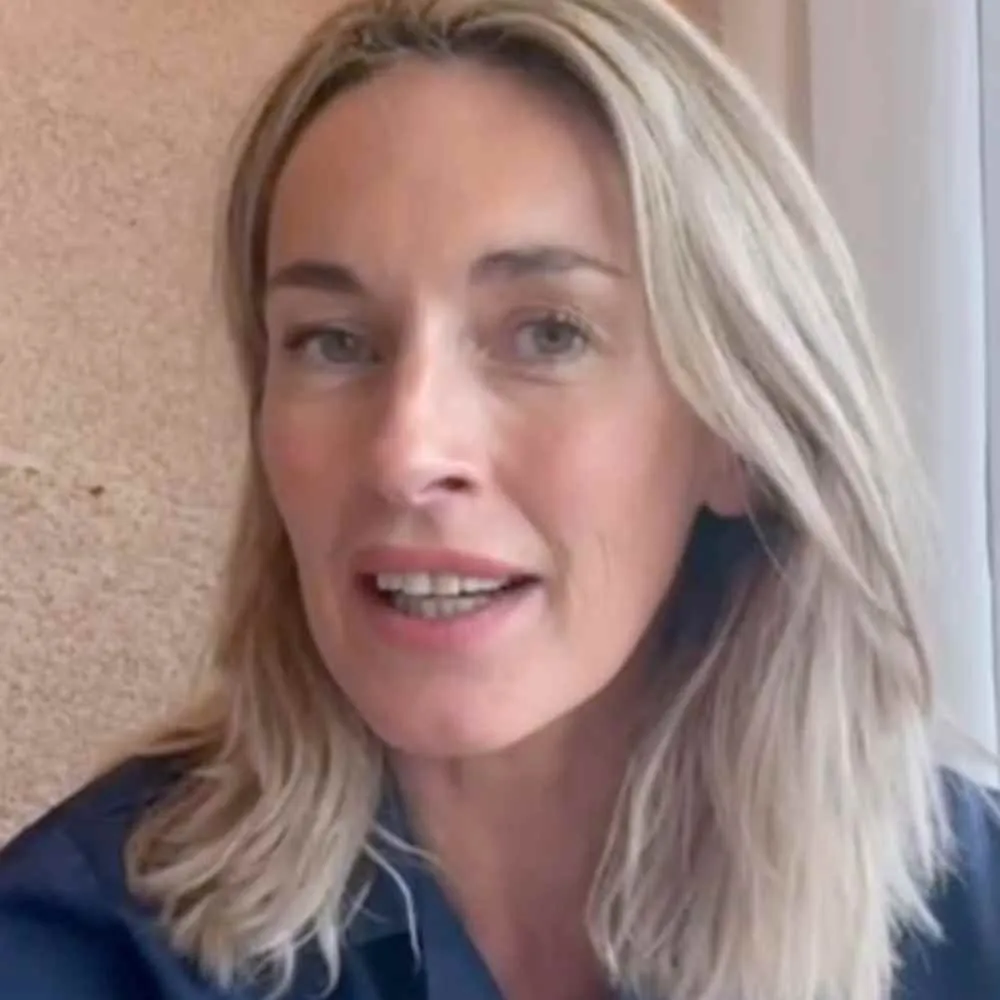
Katy Pitt Allen
Clinical Director
Katy brings exceptional clinical expertise and international experience to her role as Clinical Director, with specialized knowledge in oncology, gynaecology, and palliative care developed through over a decade of nursing excellence. Her proven leadership skills, demonstrated through her progression from staff nurse to junior ward sister and her current international oncology practice, ensure our clinic maintains the highest clinical standards while delivering compassionate, evidence-based care to all patients.

Dr Kamaljit Singh
Clinical Oversight
Dr. Kamaljit Singh provides medical oversight for our clinical team, bringing over 25 years of comprehensive healthcare experience to ensure the highest standards of patient care. A graduate of Leeds Medical School with distinction, Dr. Singh holds his MRCGP qualification and served as a senior partner at Leicester Medical Group for 16 years. His expertise spans both traditional medicine and aesthetic procedures, with specialized training in cosmetic treatments and 18 years of membership with the British Association of Aesthetic Plastic Surgeons. Dr. Singh's background includes roles as an FY2 trainer and GP assessor, demonstrating his commitment to medical education and professional standards that ensure our clinical team operates with rigorous oversight and excellence.

Jill Crowe
Director of Relationships
Jill brings over two decades of nursing excellence and exceptional relationship-building skills to her role as Relationship Manager at our women's health clinic. With her proven expertise in communication, team leadership, and inter-agency collaboration, she seamlessly coordinates between practitioners, patients, and partners to ensure the highest quality of care and service delivery.
Vaginal Dryness: Causes, Symptoms & Treatment Options
Leeds – Harrogate
Exeter – Denmark Road
Bristol – City
Manchester – King Street
Surrey – West Byfleet
London – Harley Street
Birmingham – Edgbaston
London – Canary Wharf
Experiences Shared by Women Like You
- Educational and informational only. Individual experiences vary.
- Patient feedback reflects personal experiences, not clinical outcomes.
- Reviews relate to overall care and service experience.




How we work?
1
Free Telephone Consultation —Vaginal Dryness: Causes, Symptoms & Treatment Options
2
Preparation & Clinical Guidance —Vaginal Dryness: Causes, Symptoms & Treatment Options
3
Face-to-Face Consultation —Vaginal Dryness: Causes, Symptoms & Treatment Options
4
Evidence-Based Treatment —Vaginal Dryness: Causes, Symptoms & Treatment Options
5
Immediate Aftercare & Comfort —Vaginal Dryness: Causes, Symptoms & Treatment Options
6
Review & Expectation Management —Vaginal Dryness: Causes, Symptoms & Treatment Options
7
Long-Term Care & Follow-Up —Vaginal Dryness: Causes, Symptoms & Treatment Options
Get in Touch and Take the First Step Today
Book your free consultation and discover how O-Shot®, G-Shot®, Exosomes, vaginal HA Fillers & Skin Boosters, can help you with your confidence. Individual experiences vary. (we offer a generic PRP approach (no brand affiliation).
We’ll listen, assess, and explain options—conservative, medical, and (if suitable) procedural.
Ask a question first
Send us a note if you’re not ready to book.