

Clinical Review & Disclaimer
- Verified Content: Approved by the Women’s Health Clinic Clinical Team.
- Educational Use: This is not a substitute for professional medical advice, diagnosis, or treatment.
- Clinical Assessment: Individual suitability is determined by a clinician; results may vary.
- MEDICAL EMERGENCY: If you are experiencing a medical emergency, call 911 immediately.
About the Author

Cancer & Chemotherapy-Induced Menopause (GSM) Non-Hormonal Vaginal & Urinary Comfort
Quick Answer: Chemotherapy is a foundation of cancer treatment, but its impact goes beyond targeting cancer cells. For many individuals undergoing chemotherapy, one significant consequence is chemo-induced menopause, which can cause vaginal dryness and urinary urgency. We offer safe, non-hormonal laser, radiofrequency, CO₂ laser, and hyaluronic acid hydration therapies.
Cancer treatment can change your hormones suddenly. The discomfort isn't "in your head." We provide safe, clinician-led pathways designed to improve daily comfort and tissue resilience.
Why Women Choose Our Clinic
Practitioner-Led Care
Delivered by Dr Farzana Khan.
Medical Oversight
Safety & clinical governance.
Treatment at a Glance
Condition
Chemotherapy-Induced GSM
Method
Non-Hormonal Laser or RF
Duration
20-30 Minute Sessions
Recovery
No downtime / Same-day activity
Evidence-Informed
NICE-aligned protocols

Personalised Assessment with Our GP-Led Team
Every journey begins with understanding. Our comprehensive medical assessment ensures your treatment is perfectly matched to your physiology and recovery goals.
What Is Chemotherapy Induced Menopause?
Chemo-induced menopause refers to the onset of menopause-like symptoms triggered by chemotherapy treatment. Chemotherapy can damage ovarian follicles and disrupt hormone production, leading to a decline in oestrogen levels and resulting in thinning of the vaginal and urinary tissues. Unlike natural menopause, which occurs gradually, chemo-induced menopause can happen suddenly and more intensely due to the abrupt loss of ovarian function, often causing vaginal dryness and painful intimacy.
Vaginal Symptoms
CommonRapid loss of oestrogen affects the delicate tissue lining.
- Dryness & Burning
- Painful Intimacy
- Narrowing/Tightness
Urinary Symptoms
Often OverlookedBurning symptoms can occur when urine contacts fragile, low-oestrogen tissue.
- Urgency & Frequency
- Recurrent UTI-like feelings
- Stress Incontinence
Non-Hormonal Care
Safe PathwaySupportive medical pathways designed to improve resilience without hormones.
*Results vary. A consultation confirms diagnosis.
Why It Happens (The Root Causes)
Treatments like chemotherapy, aromatase inhibitors, or ovarian suppression remove or block oestrogen. This alters the vaginal pH and microbiome, reducing natural protection.
Medical Note: Up to 40% of women with 'recurrent UTI' symptoms actually have tissue irritation.
Who Is This For?
This pathway is commonly explored by women who have undergone cancer treatments that impact ovarian function or block oestrogen.
Breast Cancer History
Women on aromatase inhibitors or tamoxifen experiencing dryness or pain.
Surgical Menopause
Immediate symptoms following oophorectomy (ovarian removal).
Chemotherapy
Women who experienced sudden menopause during or after treatment.
Pelvic Radiotherapy
Tissue changes or narrowing following radiation therapy.
Gynaecological Cancers
Survivors of endometrial, ovarian, or cervical cancer seeking comfort.
Relationship Impact
Women whose intimate health symptoms are affecting confidence or relationships.
Non-Hormonal First Philosophy
We prioritise safe, conservative measures and non-hormonal energy treatments. When appropriate, we coordinate with your oncology team.
Book Specialist AssessmentModern Medicine. Zero Surgery.
We bridge the gap with advanced regenerative technology that is safe, effective, and fits into your recovery journey.
Fractional CO2 Laser (Nu-V)
Radiofrequency (RF)
Safety First
Oncology Coordination
Non-Hormonal
Safe for women who cannot use or prefer to avoid oestrogen therapy.
Clinician-Led
treatments delivered by a GP & Women's Health Specialist.
Zero Downtime
Most treatments allow you to return to normal activities immediately.
Two Technologies
We offer both Laser and RF, allowing us to tailor care to your tissue needs.
Evidence-Based Transparency
We don't oversell. We explain what's known, the limitations of current evidence, and help you make an informed decision aligned with your values.
See Clinical Evidence Treatment Options & Pricing
Vaginal Laser (Nu-V)
Tissue remodelling and mucosal support using fractional CO₂ laser.
session
- Nurse-led (£599) or doctor-led (£799)
- Course of 3 commonly recommended
- ~5 days pelvic rest advised
Radiofrequency & Hydration Options
Suitability, sequencing, and combination plans are confirmed after clinical assessment.
Laser Course (3 Sessions)
A structured 3-session course for tissue support and symptom relief, with clinician-led counselling and aftercare.
£1,200 – £1,800
Request ConsultationUnsure Which Option is Right?
The consultation exists to determine what's right for your specific situation. We can coordinate with your oncology team.
Book Medical Assessment Concerns & Safety (Contraindications)
Suitability is assessed clinically on a case-by-case basis. Your safety is our priority.
When We Typically Avoid/Delay
Treatment cannot be performed if any of the following apply:
- Active Infection: Bacterial vaginosis, thrush, or UTIs must be treated first.
- Undiagnosed Bleeding: Must be investigated to rule out serious pathology.
- Active Cancer/Treatment: We typically wait for remission or completion of active treatment.
- Pregnancy: Must be confirmed if possibility exists.
Specific Considerations
Further assessment is required for the following conditions:
Confidential Medical Review
If you are unsure, we typically request clearance or consultation with your oncologist before proceeding.
Disclaimer: The FDA has issued warnings regarding unproven claims for vaginal rejuvenation. We are not offering these treatments as cosmetic procedures but as potential options within a medical framework for symptom management.
You Deserve Support
Whether you're 6 months or 6 years past cancer treatment, your symptoms matter. You don't have to navigate it alone.
Common Myths About GSM After Cancer
There is a lot of misinformation about intimate health after cancer. [cite_start]Let's look at the medical reality[cite: 402].
Myth
"I just have to accept these symptoms."
Reality
GSM is a medical condition, not a personality trait. While common, it is not something you must simply endure. [cite_start]Seeking help is as valid as seeking help for any other treatment side effect[cite: 403, 404].
Myth
"I can't use any oestrogen after breast cancer."
Reality
NICE guidance acknowledges that vaginal oestrogen may be considered even in women with a history of breast cancer when non-hormonal measures fail. [cite_start]It requires individual discussion with your specialist [cite: 405-407].
Myth
"These symptoms will improve over time."
Reality
Unlike hot flushes, GSM is typically chronic and progressive. Without intervention, tissue changes often worsen over months or years. [cite_start]Early treatment provides the best outcomes[cite: 416, 417].
Myth
"If moisturisers fail, there's nothing else."
Reality
There are multiple tiers of care. Options include laser, RF, vaginal DHEA (where available), and emerging therapies. [cite_start]You are not out of options if the first step doesn't work [cite: 408-410].
Myth
"Painful intercourse is psychological."
Reality
GSM creates real, physical changes: thinning tissue, loss of elasticity, and dryness. [cite_start]While emotions matter, the root cause of the pain is often physical and treatable[cite: 414, 415].
Myth
"Laser/RF are just cosmetic procedures."
Reality
[cite_start]While sometimes marketed cosmetically, when used for GSM they are therapeutic medical interventions aiming to restore tissue function and reduce symptoms, not just change appearance[cite: 420, 421].
Treatment FAQs
Everything you need to know about safety and efficacy.
Is this safe if I've had breast cancer?
Do laser/RF "treat menopause"?
What if my symptoms feel like recurrent UTIs?
Are these treatments recommended in UK guidance?
How soon will I notice changes?
Will I need treatment forever?
Can I use vaginal moisturisers during treatment?
What about sexual activity after treatment?
I'm on aromatase inhibitors – can I still consider this?
What if I've tried vaginal oestrogen and it didn't help?
My vagina has narrowed significantly – am I a candidate?
How does this compare to vaginal oestrogen cream?
Will this help with urinary incontinence?
I had radiotherapy to my pelvis – any considerations?
What happens if I don't get the results I hoped for?
Can I have treatment if I'm still menstruating occasionally?
Is there an age limit?
Will my oncologist need to approve this?
Have a specific question?
Our medical team is happy to discuss your specific concerns in a private setting.
Ask a Medical ProfessionalMore About This Treatment
Evidence-Based Self-Care Strategies
While medical treatments have their place, lifestyle modifications can meaningfully improve symptoms. [cite_start]Here are the strategies we recommend starting today[cite: 380].
Vaginal Moisturisers
Use 2-3 times weekly, regardless of sexual activity. Look for hyaluronic acid products. [cite_start]Apply at bedtime for best absorption to hydration the lining [cite: 381-383].
Lubricants for Intimacy
Use every time. Water-based is versatile; silicone-based lasts longer for severe dryness. [cite_start]Avoid glycerin, parabens, or fragrances [cite: 384-386].
Pelvic Floor Awareness
Some women develop tension/guarding due to pain. [cite_start]Focus on relaxation techniques (dropping the pelvic floor) rather than just strengthening/squeezing [cite: 387-389].
Avoid Irritants
Stop using perfumed soaps, bubble baths, douches, or biological washing powders on underwear. [cite_start]Stick to pH-balanced, fragrance-free cleansers[cite: 394, 395].
Bladder Training
[cite_start]For urgency/frequency symptoms, gradually extending time between bathroom visits can help retrain bladder capacity and reduce urgency signals[cite: 396, 397].
Dilator Therapy
[cite_start]For vaginal narrowing (stenosis) after radiotherapy or inactivity, regular use of vaginal dilators can help maintain length and width[cite: 398, 399].
The Science: Laser vs RF
Laser (Nu-V): Uses controlled thermal micro-pulses to denature existing collagen and activate fibroblasts, stimulating new collagen formation. This targets tissue remodelling and mucosal support.
Radiofrequency (RF): Uses electromagnetic waves to generate volumetric heating in deeper tissue layers. This stimulates circulation and tissue oxygenation with a gentler thermal effect.
Self-Care & Lifestyle Support
Regular use of vaginal moisturisers (hyaluronic acid) is recommended 2-3 times weekly. Pelvic floor physiotherapy can help with tension or overactivity. Staying well-hydrated and avoiding irritants like perfumed soaps supports overall tissue health.
Myths & Misconceptions
Myth: "I can't use any oestrogen after breast cancer." Reality: NICE guidance acknowledges vaginal oestrogen may be considered in some cases. Myth: "These symptoms will improve over time." Reality: GSM is typically chronic and progressive without intervention.
Clinical References & Citations
- 1. NICE Interventional Procedure Guidance IPG697: Transvaginal Laser for Urogenital Atrophy.
- 2. FDA Safety Communication (2018): Energy-based devices for vaginal cosmetic procedures.
- 3. British Menopause Society (BMS) Guidance on Management of GSM.
About Our Clinical Team
Dr Farzana Khan
BSc (Hons), MD, DFFP, RCGP
Qualifications
- MD, University of Copenhagen (2003)
- MRCGP, CCT (2013)
- Diploma of the Faculty of Sexual & Reproductive Health (2013)
Clinical focus
Sexual function and comfort
Lichen sclerosus
Vulval skin
Volume concerns
How she works
- Listens first. Conservative and medical options discussed before procedures
- Clear, balanced counselling on benefits, limits, risks, and alternatives
- Shared decisions, realistic expectations, written aftercare
Training & teaching
- KOL/Trainer: Neauvia, Asclepion Laser, RegenLab (since 2023)
- Ongoing CPD: IMCAS, CCR, ACE, and intimate HA/PRP/Polynucleotide training
Authored and medically reviewed by Dr Farzana Khan. Last updated: [November 2025]
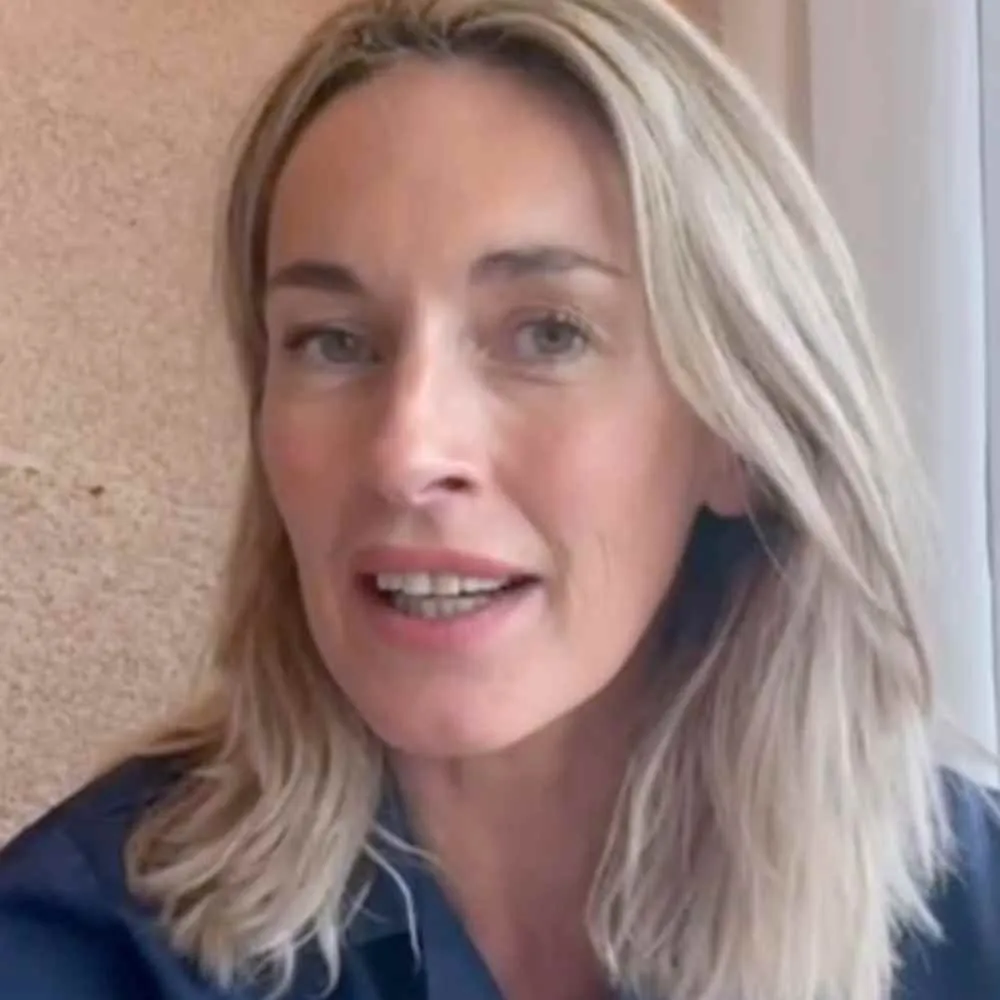
Katy Pitt Allen
Clinical Director
Katy brings exceptional clinical expertise and international experience to her role as Clinical Director, with specialized knowledge in oncology, gynaecology, and palliative care developed through over a decade of nursing excellence. Her proven leadership skills, demonstrated through her progression from staff nurse to junior ward sister and her current international oncology practice, ensure our clinic maintains the highest clinical standards while delivering compassionate, evidence-based care to all patients.

Dr Kamaljit Singh
Clinical Oversight
Dr. Kamaljit Singh provides medical oversight for our clinical team, bringing over 25 years of comprehensive healthcare experience to ensure the highest standards of patient care. A graduate of Leeds Medical School with distinction, Dr. Singh holds his MRCGP qualification and served as a senior partner at Leicester Medical Group for 16 years. His expertise spans both traditional medicine and aesthetic procedures, with specialized training in cosmetic treatments and 18 years of membership with the British Association of Aesthetic Plastic Surgeons. Dr. Singh's background includes roles as an FY2 trainer and GP assessor, demonstrating his commitment to medical education and professional standards that ensure our clinical team operates with rigorous oversight and excellence.

Jill Crowe
Director of Relationships
Jill brings over two decades of nursing excellence and exceptional relationship-building skills to her role as Relationship Manager at our women's health clinic. With her proven expertise in communication, team leadership, and inter-agency collaboration, she seamlessly coordinates between practitioners, patients, and partners to ensure the highest quality of care and service delivery.
Cancer & Chemotherapy-Induced Menopause: Causes, Symptoms & Treatment Options
Leeds – Harrogate
Exeter – Denmark Road
Bristol – City
Manchester – King Street
Surrey – West Byfleet
London – Harley Street
Birmingham – Edgbaston
London – Canary Wharf
Experiences Shared by Women Like You
- Educational and informational only. Individual experiences vary.
- Patient feedback reflects personal experiences, not clinical outcomes.
- Reviews relate to overall care and service experience.




How we work?
1
Free Telephone Consultation —Cancer & Chemotherapy-Induced Menopause: Causes, Symptoms & Treatment Options
2
Preparation & Clinical Guidance —Cancer & Chemotherapy-Induced Menopause: Causes, Symptoms & Treatment Options
3
Face-to-Face Consultation —Cancer & Chemotherapy-Induced Menopause: Causes, Symptoms & Treatment Options
4
Evidence-Based Treatment —Cancer & Chemotherapy-Induced Menopause: Causes, Symptoms & Treatment Options
5
Immediate Aftercare & Comfort —Cancer & Chemotherapy-Induced Menopause: Causes, Symptoms & Treatment Options
6
Review & Expectation Management —Cancer & Chemotherapy-Induced Menopause: Causes, Symptoms & Treatment Options
7
Long-Term Care & Follow-Up —Cancer & Chemotherapy-Induced Menopause: Causes, Symptoms & Treatment Options
Get in Touch and Take the First Step Today
Book your free consultation and discover how O-Shot®, G-Shot®, Exosomes, vaginal HA Fillers & Skin Boosters, can help you with your confidence. Individual experiences vary. (we offer a generic PRP approach (no brand affiliation).
We’ll listen, assess, and explain options—conservative, medical, and (if suitable) procedural.
Ask a question first
Send us a note if you’re not ready to book.